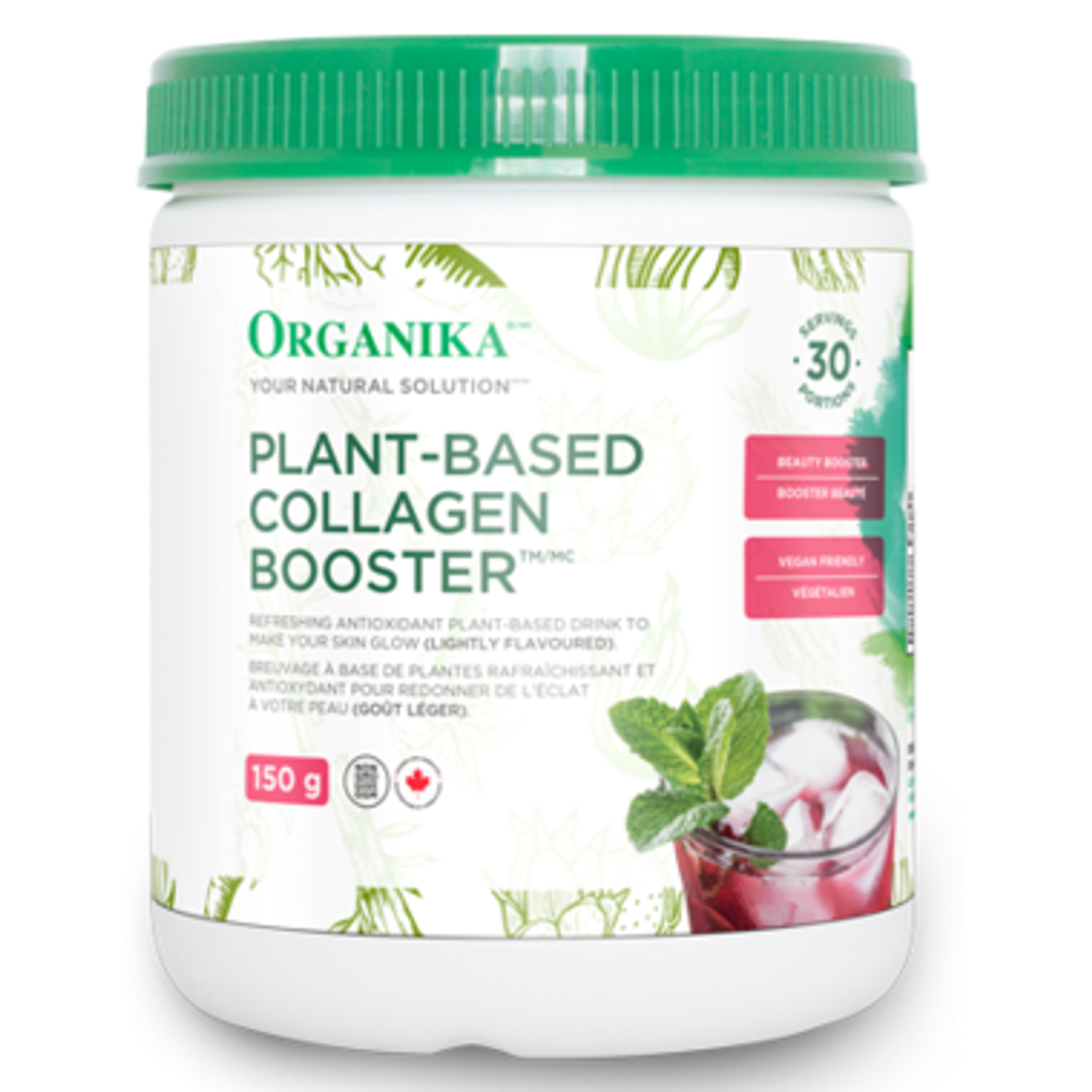
Plant-based collagen alternatives are gaining popularity in the health and wellness world, offering a cruelty-free and sustainable option for those looking to support their skin, hair, and joint health. Collagen, a protein found abundantly in animals, has long been associated with maintaining healthy connective tissues and promoting youthful skin. However, with the rise of plant-focused diets and ethical concerns surrounding animal products, many people are seeking out alternative sources of this vital protein.
One of the most popular plant-based collagen alternatives is made from a combination of amino acids found in plants. These amino acids include glycine, proline, hydroxyproline, and glutamine. When consumed together or as supplements, they can help stimulate collagen production within the body.
Another effective plant-based alternative is silica-rich foods such as bamboo extract or horsetail herb. Silica plays a crucial role in supporting collagen synthesis by providing essential nutrients for its production. Incorporating these foods into your diet can help support strong hair and nails while also promoting healthy skin elasticity.
Additionally, there are several types of fruits that contain high levels of vitamin C which aids in collagen synthesis. Citrus fruits like oranges and lemons are excellent sources of vitamin C that can be easily incorporated into daily meals or enjoyed as refreshing snacks.
Furthermore, consuming foods rich in antioxidants helps protect existing collagen from damage caused by free radicals. Berries such as blueberries and strawberries are loaded with antioxidants that can help maintain healthy collagen levels while combating oxidative stress.
For those who prefer supplement options instead of dietary changes alone; vegan-friendly collagen powders derived from algae or seaweed extracts offer an easy solution to boost your body’s natural ability to produce more collagen. These powders typically contain a blend of vitamins (such as C) alongside other nutrients necessary for optimal collagen production.
It’s important to note that while plant-based alternatives can provide some benefits similar to animal-derived collagens; they may not have identical effects on the body. However, these alternatives offer a viable and ethical option for individuals seeking to support their collagen levels without relying on animal products.
In conclusion, plant-based collagen alternatives are an excellent choice for those looking to maintain healthy skin, hair, and joint health while adhering to a cruelty-free lifestyle. Whether through dietary changes or incorporating supplements into your routine, there are several options available to help stimulate collagen production using plant-based sources. Remember that consistency is key when it comes to reaping the benefits of these alternatives.

Leave a Reply