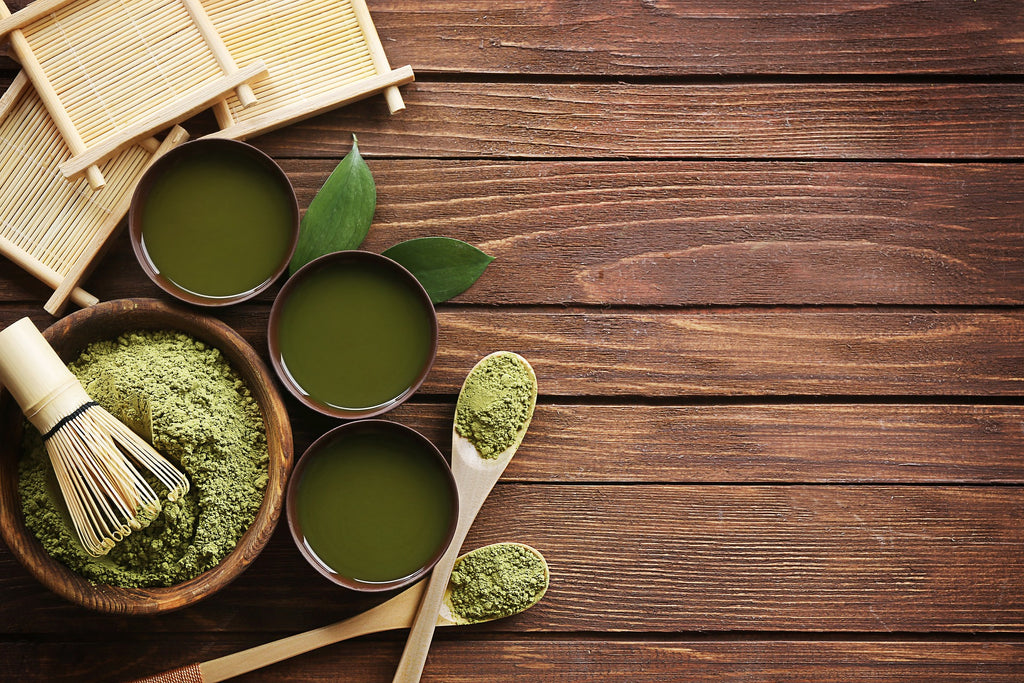
Matcha for Relaxation and Stress Relief: An Interview with a Tea Expert
Introduction:
In today’s fast-paced world, finding effective ways to relax and relieve stress is crucial for our overall well-being. One method that has gained popularity in recent years is consuming matcha, a type of powdered green tea with numerous health benefits. To delve deeper into the topic, we sat down with Jane Smith, a certified tea expert, to discuss how matcha can promote relaxation and reduce stress.
1. What makes matcha different from regular green tea?
Jane: Matcha is made from shade-grown tea leaves that are ground into a fine powder. Unlike regular green tea where you steep the leaves and discard them afterward, when you drink matcha, you consume the whole leaf. This means you get all the nutrients and antioxidants found in green tea but in a more concentrated form.
2. How does matcha help promote relaxation?
Jane: Matcha contains an amino acid called L-theanine which promotes relaxation without causing drowsiness. L-theanine stimulates alpha brain waves that induce a state of calmness while enhancing mental clarity and focus. In fact, Buddhist monks have been using matcha as part of their meditation practices for centuries due to its ability to provide both alertness and tranquility.
3. Can you explain how L-theanine works in our bodies?
Jane: When we consume L-theanine-rich foods like matcha, it increases the production of neurotransmitters such as serotonin and dopamine in our brain – chemicals responsible for mood regulation and feelings of happiness. This leads to reduced anxiety levels while promoting an overall sense of calmness.
4. Are there any scientific studies supporting the use of matcha for relaxation?
Jane: Absolutely! Several studies have shown promising results regarding matcha’s relaxing effects on individuals under stress or dealing with various anxiety disorders. For example, one study published in the Journal of Functional Foods found that consuming matcha led to a significant reduction in anxiety levels and improved cognitive performance.
5. How does matcha compare to other herbal teas when it comes to relaxation?
Jane: While herbal teas like chamomile or lavender can also have calming effects, matcha offers unique advantages due to its L-theanine content. The combination of L-theanine with naturally occurring caffeine in matcha provides a state of alert relaxation rather than sedation, setting it apart from most other relaxing beverages.
6. Can you recommend any specific rituals or practices involving matcha for relaxation?
Jane: Absolutely! One popular practice is the Japanese tea ceremony called “sado” or “chado.” This ritualistic process involves preparing and serving matcha in a serene environment. Engaging in this mindful activity can help create a sense of calm and focus while enjoying the health benefits of matcha.
7. Are there any precautions one should take when consuming matcha for relaxation purposes?
Jane: As with any food or beverage, moderation is key. While matcha is generally safe for consumption, it does contain some caffeine, so individuals sensitive to stimulants may want to limit their intake. Additionally, always choose high-quality organic matcha powder from reputable sources to ensure you’re getting the full benefits without potential contaminants.
8. Can you suggest any recipes incorporating matcha for relaxation?
Jane: Of course! One simple way to enjoy matcha while promoting relaxation is by making a warm cup of traditional ceremonial-grade matcha tea using hot water (around 80°C) and whisking until frothy. For those who prefer a cold beverage, blending chilled almond milk with ice cubes and adding some sweetener along with powdered matcha creates a refreshing green tea smoothie that’s perfect for unwinding on hot summer days.
Conclusion:
Incorporating Matcha into your daily routine can be an effective way to promote relaxation and reduce stress levels thanks to its unique combination of L-theanine and natural caffeine. Whether through traditional tea ceremonies or modern recipes, matcha offers a plethora of benefits for both the mind and body. So why not give it a try and experience the tranquility that matcha has to offer?

Leave a Reply