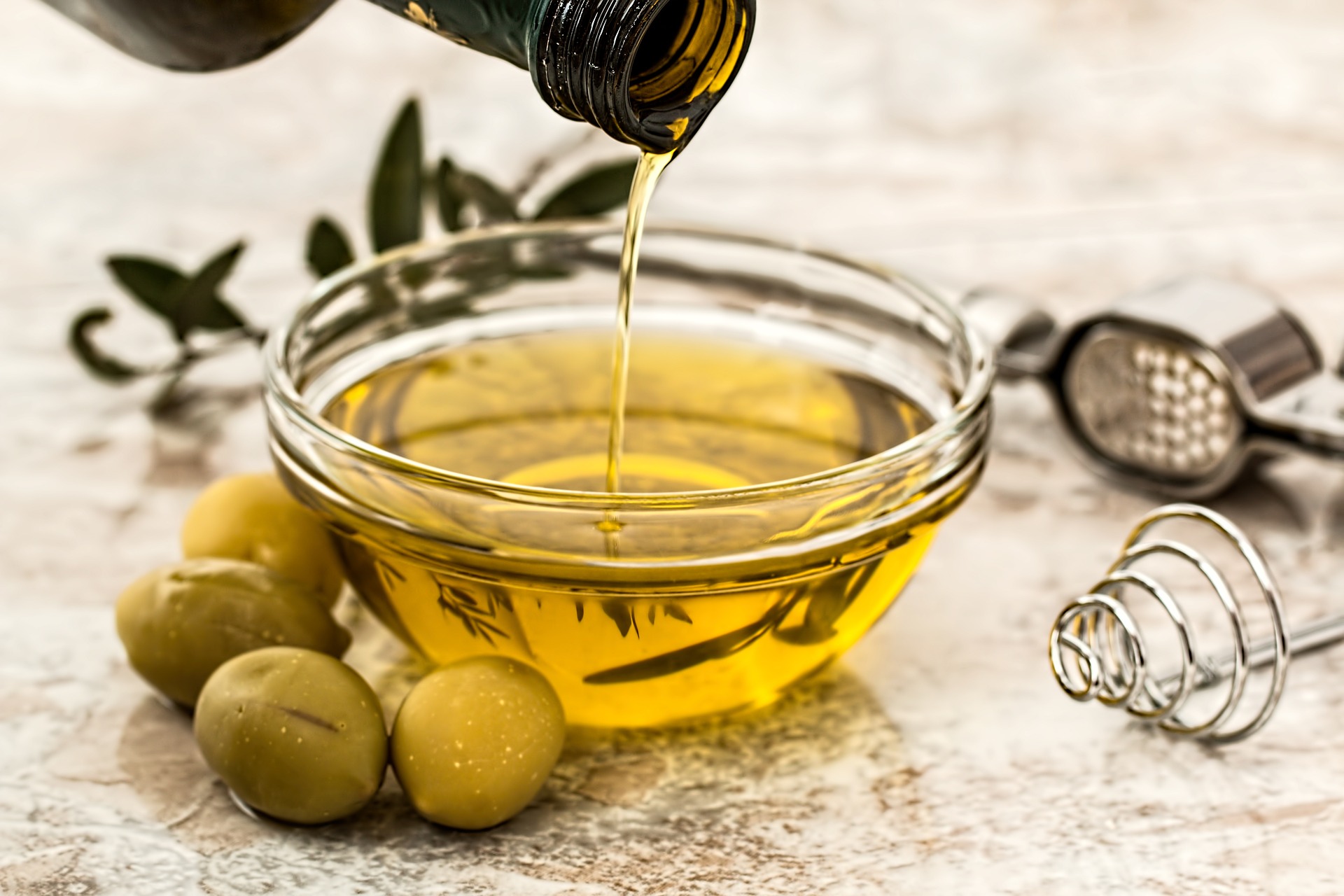
Olive Oil: A Historical Journey Through the Liquid Gold
Throughout history, olive oil has been revered as a precious and versatile ingredient. Its rich flavor, health benefits, and culinary uses have made it an integral part of Mediterranean cuisine and beyond. Let us take a journey through time and explore the fascinating history of this liquid gold.
The origin of olive oil can be traced back to ancient civilizations in the Mediterranean region. It is believed that olives were first cultivated in Crete around 3500 BCE. From there, the knowledge of growing olives and extracting their oil spread to other parts of Greece, Egypt, and Rome.
In ancient Greece, olive oil was not only used for cooking but also had great cultural significance. The Greeks associated it with gods like Athena and Poseidon, considering it a symbol of wisdom, purity, and strength. They even used olive oil as fuel for lamps during religious ceremonies.
Egyptians recognized its medicinal properties early on. Olive oil was used to treat wounds, soothe skin ailments, and promote overall well-being. In fact, Cleopatra herself was known to use olive oil as part of her beauty routine.
During the Roman Empire era, demand for olive oil skyrocketed due to both culinary preferences and its widespread use among soldiers as a source of energy during long campaigns. Romans built vast estates called “olearias” solely dedicated to cultivating olives for their precious liquid gold.
As centuries passed by, olive trees found their way into Spain through Phoenician traders while reaching southern Italy via Greek settlers. These regions soon became renowned producers of high-quality olive oils themselves.
Fast forward to medieval times when Muslim conquests played a significant role in spreading not just Islamic culture but also knowledge about agriculture techniques including irrigation systems that helped improve olive cultivation dramatically across Europe.
During the Renaissance period in Europe (14th-17th century), trade routes expanded worldwide due to exploration efforts led by countries such as Portugal and Spain. Olive oil became a valuable commodity, with merchants trading it across continents.
The health benefits of olive oil were widely acknowledged during this time. Physicians prescribed it for various ailments, including digestive disorders, skin diseases, and even as a remedy for mental health conditions.
In the 20th century, olive oil production faced challenges with the rise of other vegetable oils like soybean and canola. However, its unique flavor and nutritional value kept it in demand among those who appreciated its qualities.
Today, olive oil is not only an essential ingredient in Mediterranean cuisine but has also gained popularity worldwide. It is renowned for its heart-healthy properties due to being rich in monounsaturated fats and antioxidants. The extra virgin variety is particularly valued for its superior quality obtained through cold pressing olives without any heat or chemical intervention.
Olive oil has also extended beyond culinary use. It’s often used as a base for natural beauty products due to its nourishing properties that help moisturize skin and hair.
In conclusion, olive oil holds a significant place in both the history of gastronomy and human civilization as a whole. From ancient Greece to modern-day kitchens around the world, it continues to be cherished for its delightful taste, numerous health benefits, and cultural significance. So go ahead and embrace this liquid gold in your everyday cooking adventures!

Leave a Reply