Sodium Reduction in Processed Foods: A Step Towards Healthier Eating
In today’s fast-paced world, processed foods have become an integral part of our diet. They offer convenience and ease of preparation, but unfortunately, they often come with a hidden health risk – excessive sodium content. High sodium intake has been linked to various health issues, including high blood pressure, heart disease, stroke, and kidney problems. To combat this issue and promote healthier eating habits, there has been a growing movement towards reducing the sodium content in processed foods.
Before delving into the importance of sodium reduction in processed foods, it is essential to understand what exactly sodium is and why it plays such a significant role in our diets. Sodium is an essential mineral that helps regulate fluid balance in our bodies and aids in proper nerve and muscle function. However, consuming too much sodium can lead to water retention and increased blood volume, ultimately causing strain on the heart and blood vessels.
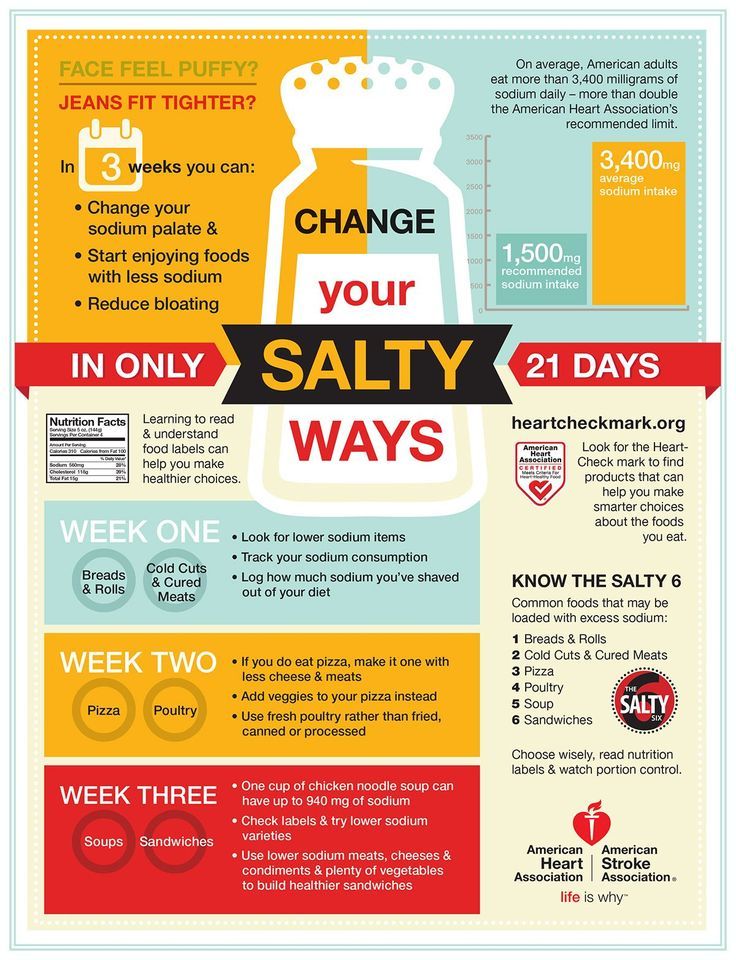
The average American consumes approximately 3,400 milligrams (mg) of sodium per day – significantly higher than the recommended daily limit of 2,300 mg for adults set by most health organizations. A considerable portion of this excessive intake comes from processed foods such as canned soups, frozen dinners, snack items like chips or pretzels as well as condiments like ketchup or soy sauce.
Processed food manufacturers often use salt as a preservative due to its ability to extend shelf life while also enhancing flavor. Unfortunately, this leads to elevated levels of sodium that go unnoticed by consumers who may not be aware of just how much salt they are consuming.
Recognizing the adverse effects on public health caused by excessive dietary sodium consumption, many countries have implemented strategies to reduce salt intake at both individual and population levels. The United States has joined this effort through initiatives such as the National Salt Reduction Initiative (NSRI), which aims to gradually reduce salt levels across different categories of processed foods.
The benefits of sodium reduction in processed foods are vast. Firstly, lowering sodium intake can help prevent and manage high blood pressure, a major risk factor for heart disease and stroke. According to the American Heart Association, reducing average daily sodium intake by just 400 mg could potentially save up to 28,000 lives each year.
Furthermore, excessive sodium consumption has been linked to kidney damage and osteoporosis. By decreasing the amount of salt in processed foods, we can reduce these risks and promote better overall health. Additionally, consuming less salt may also lead to weight loss or maintenance since high-sodium foods tend to be calorie-dense and contribute to overeating.
To achieve meaningful change in the levels of sodium found in processed foods, collaboration between food manufacturers and government agencies is essential. Many countries have set voluntary targets for reducing salt content in various food categories while monitoring progress through regular evaluation.
Food manufacturers play a vital role in this process by reformulating their products to contain lower amounts of sodium without compromising taste or safety. This can be achieved through alternative methods of flavor enhancement such as using herbs, spices, or other natural seasonings instead of relying solely on salt.
While some argue that reduced-sodium options may lack flavor compared to their higher-sodium counterparts, studies have shown that gradual reductions allow individuals’ taste preferences to adjust over time. Therefore, it is crucial for both consumers and manufacturers alike to embrace this shift towards healthier alternatives.
In addition to reformulation efforts by food manufacturers, consumer education is paramount for successful implementation. Providing clear nutritional information on product packaging empowers individuals with knowledge about the sodium content they are consuming. Moreover, encouraging consumers to cook meals from scratch using fresh ingredients rather than relying heavily on processed foods helps control their own sodium intake more effectively.
Public awareness campaigns led by health organizations further solidify the importance of reducing dietary sodium consumption among individuals at risk for chronic diseases related to high blood pressure or cardiovascular problems. These campaigns can educate the public about the hidden dangers of excessive sodium intake and provide practical tips for selecting low-sodium options when grocery shopping or dining out.
In conclusion, reducing sodium levels in processed foods is a crucial step towards healthier eating habits and improving public health outcomes. Excessive sodium consumption has been linked to various health issues, including high blood pressure, heart disease, stroke, and kidney problems. By gradually lowering the sodium content in processed foods through collaboration between food manufacturers and government agencies, we can promote better overall health while still maintaining taste and convenience. With consumer education initiatives accompanying these efforts, individuals can make informed choices about their dietary habits and take control of their own well-being.

Leave a Reply