Plant-Based Protein for Pregnant Women: A Comprehensive Guide
Introduction:
Pregnancy is a crucial time when women need to pay extra attention to their nutritional needs. Adequate protein intake is essential during this period as it plays a vital role in the growth and development of the baby, as well as maintaining the mother’s overall health. While animal-based sources of protein are commonly consumed, plant-based protein offers numerous benefits like lower saturated fat content, higher fiber content, and a variety of essential nutrients. In this article, we will explore various plant-based protein sources that can meet the dietary requirements of pregnant women.
1. Legumes:
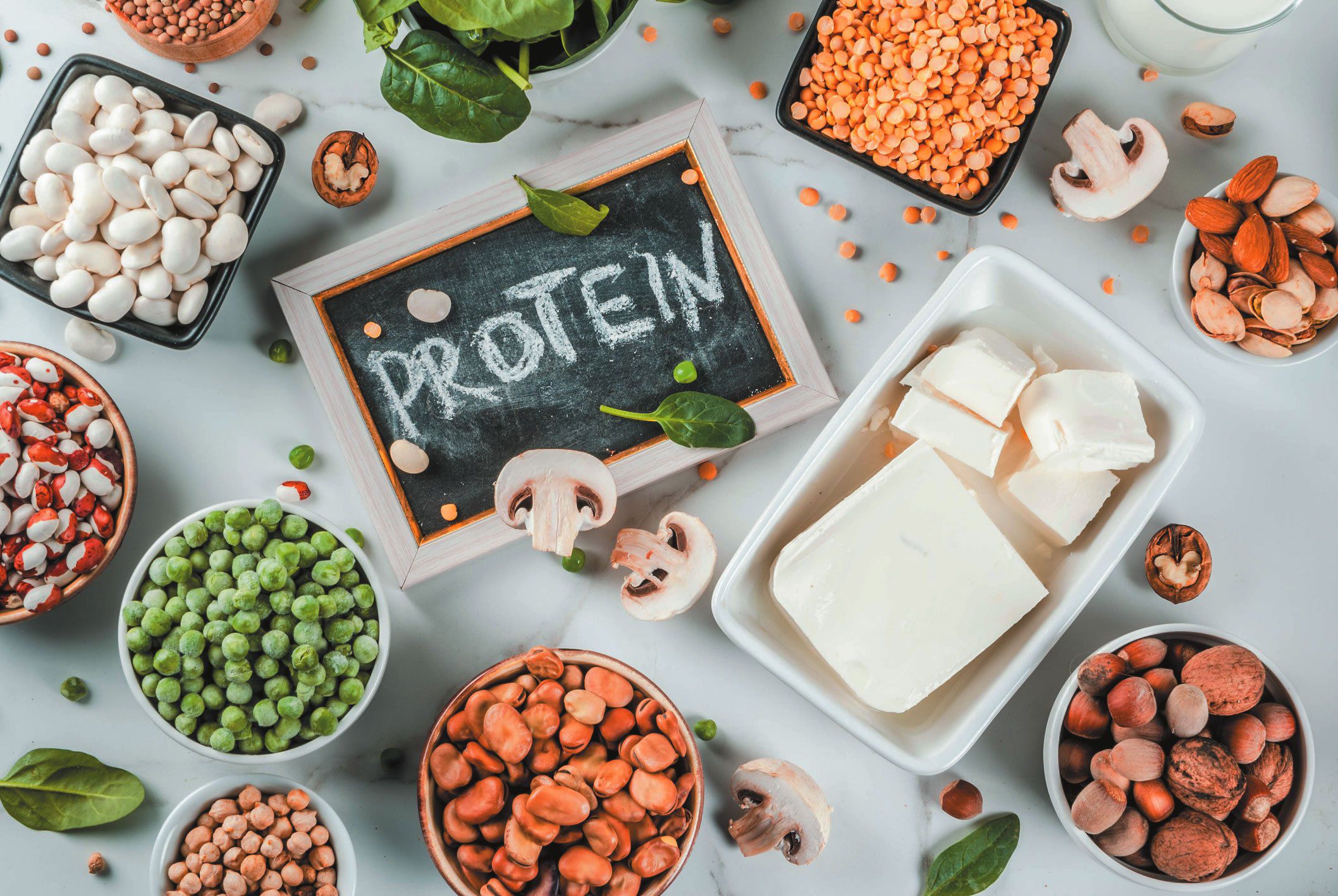
Legumes such as lentils, chickpeas, black beans, and kidney beans are excellent plant-based sources of protein for pregnant women. They offer an array of other essential nutrients like iron, folate, fiber, and calcium. Incorporating legumes into meals not only provides high-quality protein but also helps regulate blood sugar levels due to their low glycemic index.
2. Whole Grains:
Whole grains like quinoa, oats, brown rice, barley are not only rich in carbohydrates but also contain good amounts of plant-based proteins suitable for pregnancy. These grains provide additional benefits such as fiber for digestion regulation and vitamins B-complex (including folic acid) which facilitate proper neural tube development in babies.
3. Nuts and Seeds:
Nuts and seeds are packed with healthy fats along with being great sources of vegetarian-friendly proteins during pregnancy. Almonds, walnuts, chia seeds flaxseeds offer substantial amounts of omega-3 fatty acids which support brain development in infants while providing an easily digestible source of energy for expectant mothers.
4. Soy Products:
Soy products including tofu and tempeh have gained popularity over recent years due to their high nutrient profile and versatility in cooking methods. These soybean-derived products are loaded with complete proteins containing all nine essential amino acids required by the body. They are also rich in calcium, iron, and omega-3 fatty acids.
5. Seitan:
Seitan, also known as wheat meat or wheat gluten, is a high-protein food made from gluten flour. It offers an excellent alternative to animal-based proteins and can be used in various dishes such as stir-fries, stews, or sandwiches. Seitan is low in fat and cholesterol-free while providing significant amounts of protein for pregnant women.
6. Spirulina:
Spirulina is a type of blue-green algae that grows in freshwater lakes and ponds. It contains all the essential amino acids along with being rich in vitamins (B-complex) and minerals like iron and magnesium. Adding spirulina to smoothies or incorporating it into recipes can increase protein intake during pregnancy.
7. Nutritional Yeast:
Nutritional yeast is derived from a single-celled organism called Saccharomyces cerevisiae grown on molasses or sugar cane juice. It has a nutty flavor similar to cheese when sprinkled on dishes making it an ideal plant-based protein source for pregnant women following vegan diets.
8. Plant-Based Protein Powders:
In certain cases where dietary restrictions limit access to whole foods, plant-based protein powders can provide additional support during pregnancy. There are several options available like pea protein powder, hemp protein powder, brown rice protein powder that offer pure sources of vegetarian proteins without any additives or artificial flavors.
Tips for Incorporating Plant-Based Proteins into Pregnancy Diet:
– Include a variety of plant-based proteins to ensure complete amino acid profiles.
– Combine grains with legumes or seeds to create complementary proteins.
– Experiment with different cooking techniques and recipes to add variety.
– Consult with a healthcare professional or registered dietitian for personalized advice based on individual needs.
– Pay attention to portion sizes since excessive calorie intake may lead to unwanted weight gain during pregnancy.
Conclusion:
Pregnant women can meet their protein requirements through a well-planned plant-based diet. By incorporating legumes, whole grains, nuts, seeds, soy products, seitan, spirulina, nutritional yeast, and plant-based protein powders into their meals and snacks, expecting mothers can ensure healthy growth and development for themselves and their babies. A balanced approach to nutrition during pregnancy is essential; therefore, it is advisable to seek guidance from healthcare professionals or registered dietitians who can provide personalized advice based on individual needs.

Leave a Reply