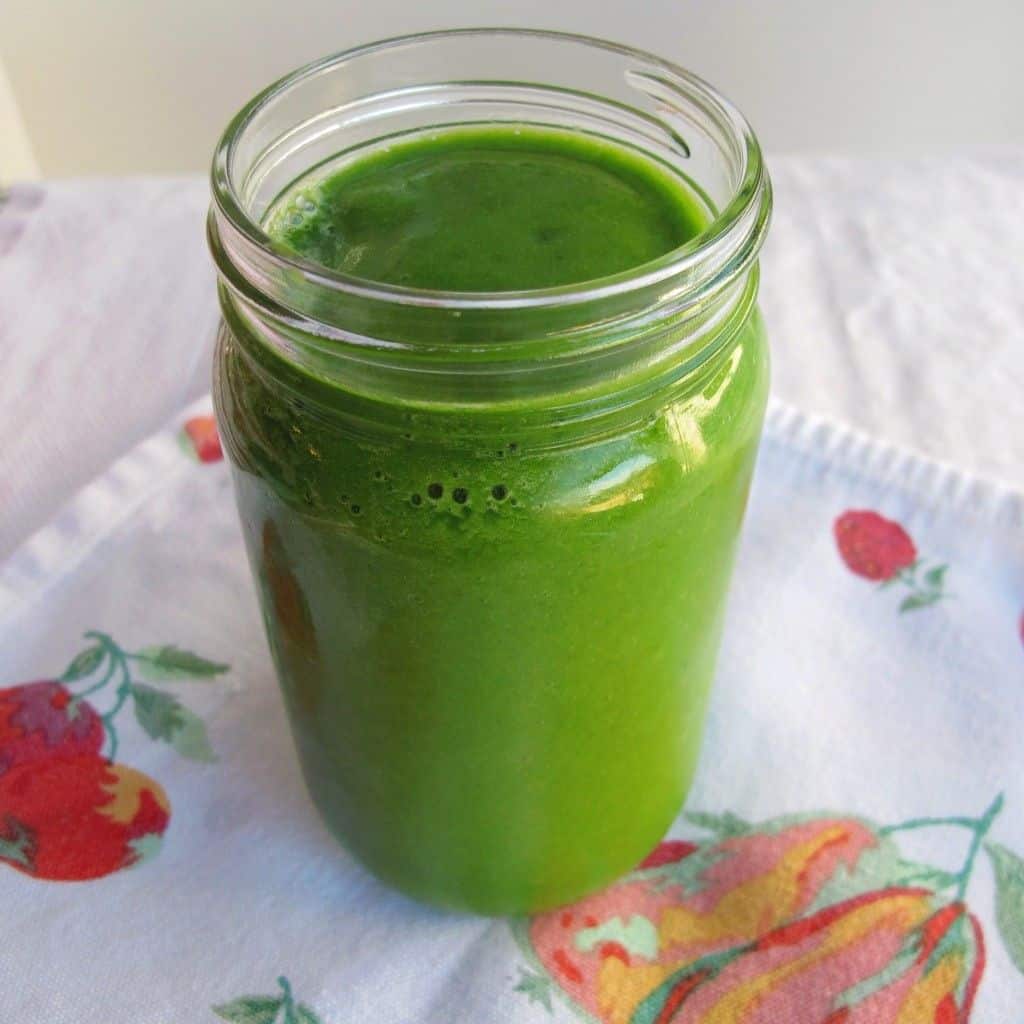
Using frozen or dried wheatgrass in recipes
Wheatgrass is a nutrient-rich superfood that has gained popularity in recent years for its numerous health benefits. Packed with vitamins, minerals, and antioxidants, it can be a wonderful addition to your diet. While fresh wheatgrass is the preferred choice for many health enthusiasts, using frozen or dried wheatgrass can also be an excellent option. In this article, we will explore the advantages of incorporating frozen or dried wheatgrass into your recipes and provide some creative ideas to get you started.
Why choose frozen or dried wheatgrass?
One of the main reasons people opt for frozen or dried wheatgrass over fresh is convenience. Freshly juiced wheatgrass needs to be consumed immediately as it tends to spoil quickly. However, by freezing or drying it, you can extend its shelf life significantly while still retaining most of its nutritional value.
Frozen wheatgrass:
Freezing wheatgrass helps preserve its freshness and nutritional content effectively. The freezing process halts enzymatic activity within the grass, preventing degradation of valuable nutrients like vitamins A, C, E, and K along with essential minerals such as iron and magnesium.
Moreover, having frozen wheatgrass on hand allows you to conveniently add it to your smoothies without worrying about spoiling any leftovers. Simply blend a few cubes of frozen wheatgrass with other fruits and vegetables for a refreshing green smoothie packed with goodness.
Dried powdered wheatgrass:
Another popular option is using powdered forms of dried wheatgrass. Drying the grass removes moisture content while preserving vital nutrients present in fresh plants. The resulting powder can then be easily incorporated into various recipes.
Dried powdered form offers flexibility regarding storage as well as usage options – you don’t have to worry about refrigeration or expiration dates anymore! Sprinkle some powdered wheatgrass onto salads for an added nutritional punch or mix it into dips and spreads like hummus for an extra boost.
Recipes incorporating frozen or dried wheatgrass:
Now that we understand the benefits of using frozen or dried wheatgrass, let’s explore some exciting recipes to incorporate this superfood into your diet.
1. Wheatgrass and fruit smoothie:
Blend together a handful of frozen wheatgrass cubes, your choice of fruits (such as bananas, berries, or mango), a splash of coconut water, and Greek yogurt for a refreshing and nutritious smoothie. The combination of sweet fruits with the earthy taste of wheatgrass creates a delightful balance.
2. Wheatgrass energy balls:
In a food processor, combine dates, nuts (such as almonds or cashews), shredded coconut, chia seeds, and powdered wheatgrass until you achieve a sticky mixture. Roll small portions into bite-sized balls and refrigerate for an hour to set. These energy balls make perfect on-the-go snacks packed with nutrients.
3. Wheatgrass pesto pasta:
Prepare traditional pesto by blending fresh basil leaves, garlic cloves, pine nuts (or walnuts), grated Parmesan cheese (or nutritional yeast for a vegan option), olive oil, salt, and pepper in a food processor. Add 1-2 teaspoons of powdered wheatgrass to the mix for an added boost of nutrition while adding vibrant green color to your pasta dish.
4. Wheatgrass-infused watermelon salad:
Create a unique twist on the classic summer watermelon salad by incorporating dried powdered wheatgras

Leave a Reply