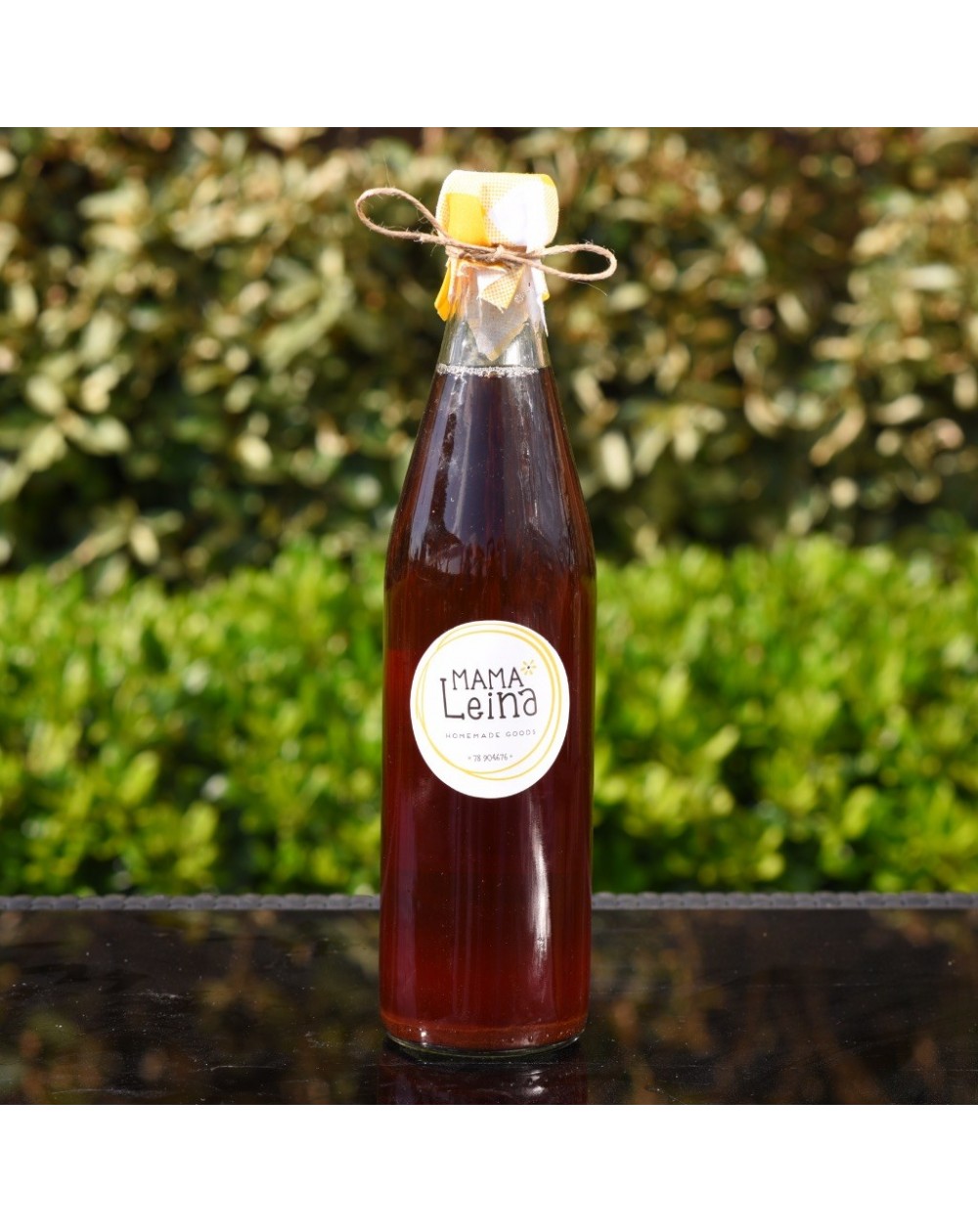
Grape vinegar, also known as grape-based vinegar or wine vinegar, is a versatile and flavorful ingredient that can elevate the taste of various dishes. Made by fermenting grapes into wine and then further fermenting the wine into vinegar, grape vinegar offers a unique tangy-sweet flavor profile that adds depth to both sweet and savory recipes. In this article, we will explore different uses for grape vinegar in cooking and everyday life.
1. Salad Dressings: Grape vinegar makes an excellent base for homemade salad dressings. Its acidity enhances the flavors of fresh greens and vegetables while providing a pleasant tartness. To create a simple vinaigrette, combine grape vinegar with extra virgin olive oil, Dijon mustard, minced garlic, salt, and pepper. You can also experiment with adding herbs like basil or thyme for more complexity.
2. Marinades: The natural acidity present in grape vinegar helps tenderize meat while infusing it with flavor. Create a delicious marinade by mixing grape vinegar with your choice of spices such as garlic powder, paprika, cumin, or rosemary. Let your meat marinate for at least 30 minutes before grilling or roasting to enhance its taste and tenderness.
3. Pickling: Grape vinegar’s acidity makes it perfect for pickling fruits and vegetables. Whether you’re making classic dill pickles or experimenting with pickled beets or onions, using grape vinegar as your brine base will give your pickles a bright and tangy flavor profile.
4. Reductions and Sauces: Grape vinegar can be reduced down to create thick glazes or sauces that add richness to your dishes. Simmering grape vinegar over low heat until it reduces by half creates a syrupy consistency that pairs well with roasted meats like pork tenderloin or duck breast.
5. Baking: Believe it or not, grape vinegar has its place in baking too! Adding a small amount of grape vinegar to your baking recipes can help activate baking soda, acting as a leavening agent. It’s commonly used in recipes like cakes, muffins, and quick breads to achieve a light and fluffy texture.
6. Cleaning: Apart from culinary uses, grape vinegar also has practical applications around the house. Its acidity makes it an effective natural cleaning agent that can remove stains, soap scum, and grease. Dilute grape vinegar with water and use it to clean kitchen countertops, floors, or even windows for a chemical-free alternative.
7. Skincare: Grape-based vinegar is known for its potential skin benefits too. Some people use diluted grape vinegar as a natural toner or facial cleanser due to its ability to balance pH levels and potentially reduce acne breakouts. However, it’s important to patch-test on a small area before using it on your face.
In conclusion, grape vinegar is not just another condiment in your pantry; it’s a versatile ingredient that can enhance flavors in cooking while offering potential health benefits when used responsibly. From salad dressings and marinades to pickling and reductions, there are numerous ways to incorporate this tangy-sweet elixir into your culinary adventures both in the kitchen and beyond!

Leave a Reply