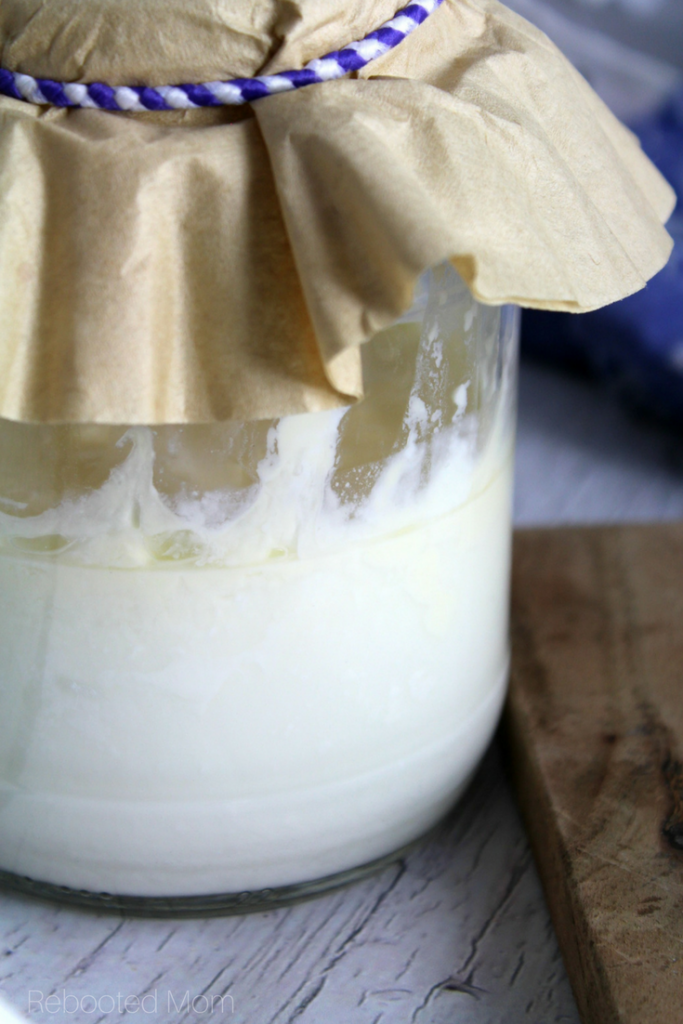
The Science Behind Kefir Fermentation Process
Kefir, a tangy and slightly fizzy fermented milk drink, has gained popularity in recent years for its numerous health benefits. Packed with probiotics, vitamins, minerals, and enzymes, kefir is known to promote digestion, boost the immune system, and improve overall gut health. But have you ever wondered about the science behind the kefir fermentation process? What exactly happens during this transformation from milk to a nutrient-rich beverage? Let’s delve into the fascinating world of kefir fermentation.
At its core, kefir fermentation is a symbiotic relationship between bacteria and yeast. The two work together to convert lactose (the sugar present in milk) into lactic acid and carbon dioxide. This process not only gives kefir its characteristic tangy taste but also creates an environment where beneficial microorganisms thrive.
To initiate the fermentation process, one needs kefir grains—the key ingredient responsible for converting milk into kefir. Despite their name, these “grains” are not actual grains but rather gelatinous colonies of bacteria and yeast organisms held together by proteins and polysaccharides.
When added to fresh milk at room temperature (ideally around 68-77°F or 20-25°C), these grains start their magic. The microorganisms present in the kefir grains consume lactose as their primary fuel source through a series of enzymatic reactions called glycolysis.
Firstly, lactose is broken down into glucose and galactose molecules by an enzyme called beta-galactosidase present in both bacteria and yeast strains found within the grains. Then various other enzymes further metabolize glucose through glycolysis—a pathway that converts sugar molecules into energy-rich compounds like ATP (adenosine triphosphate).
During glycolysis in anaerobic conditions (without oxygen), pyruvate—an end product—is formed from glucose metabolism. In kefir fermentation, the pyruvate is further converted into several compounds including lactic acid and carbon dioxide.
Lactic acid bacteria (LAB) play a crucial role in this process. They convert pyruvate into lactic acid through a metabolic pathway called homolactic fermentation. The production of lactic acid lowers the pH of the milk, giving kefir its characteristic tangy flavor. It also acts as a natural preservative, inhibiting the growth of harmful bacteria that could spoil the milk.
Simultaneously, yeast strains present in kefir grains undergo alcoholic fermentation. These yeasts convert some of the glucose molecules produced from glycolysis into ethanol (alcohol) and carbon dioxide through a process called ethanol fermentation.
The carbon dioxide generated during both bacterial and yeast fermentations is responsible for creating bubbles and giving kefir its slight fizziness. This effervescence adds to the sensory experience while consuming kefir.
While LAB and yeasts are primarily responsible for converting lactose into lactic acid, other microorganisms present in kefir grains also contribute to its unique taste profile. Acetic acid bacteria produce acetic acid, which adds an additional tangy note to kefir’s flavor profile.
Moreover, various aromatic compounds such as esters, aldehydes, ketones, and alcohols are formed during fermentation by different microorganisms present in kefir grains. These compounds contribute to the complex aroma and distinctive taste that make each batch of homemade kefir slightly unique.
Interestingly, not all strains of LAB or yeast can effectively ferment milk into kefir. The specific combination of microorganisms found in traditional or heirloom cultures is what gives authentic kefir its optimal taste and health benefits. Commercially available starter cultures may contain fewer varieties but can still produce good quality fermented milk with consistent results.
Furthermore, temperature plays a vital role in determining how fast or slow fermentation occurs during culturing time—higher temperatures yield faster fermentation, while lower temperatures slow down the process. However, it is important to note that excessively high temperatures can lead to an imbalance in microorganisms and result in off-flavors.
The duration of kefir fermentation also affects its taste and texture. A shorter fermentation period produces a milder flavor and thinner consistency, while a longer fermentation time enhances tanginess and thickness. Finding the right balance based on personal preference is key when preparing homemade kefir.
In conclusion, kefir fermentation is a complex yet fascinating process driven by symbiotic relationships between bacteria and yeast strains found within kefir grains. The conversion of lactose into lactic acid, carbon dioxide, ethanol, and various aromatic compounds creates the distinct flavors, textures, and health benefits associated with this probiotic-rich beverage. Understanding the science behind kefir fermentation not only allows us to appreciate its nutritional value but also empowers us to experiment with different techniques to create our own customized version of this ancient elixir for optimal gut health.

Leave a Reply