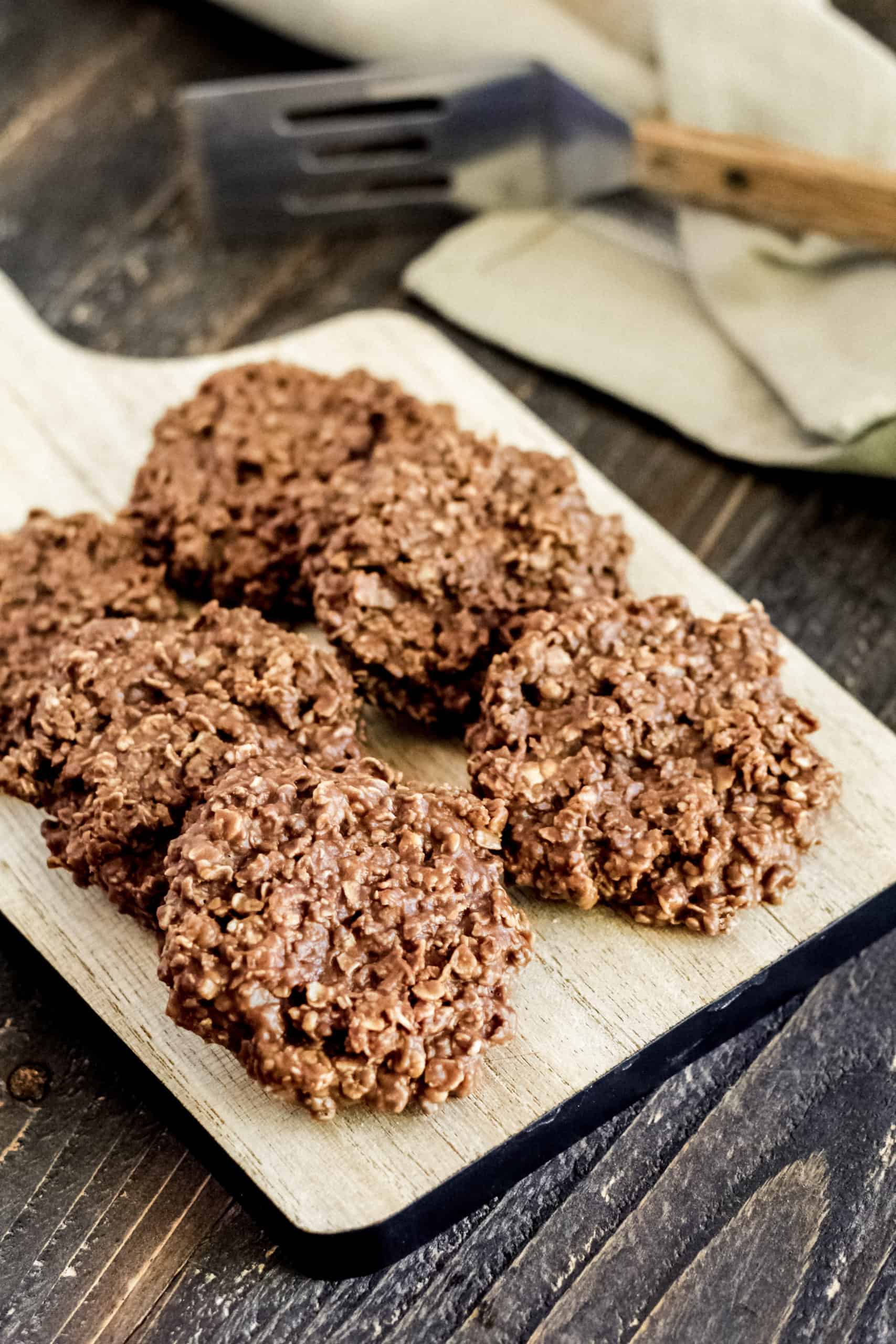
Gluten-Free Baking: Your Ultimate Guide
Are you following a gluten-free diet but still craving your favorite baked goods? Don’t worry, because gluten-free baking has come a long way in recent years. With the right ingredients and techniques, you can create delicious treats that are safe for those with gluten sensitivities or celiac disease. In this article, we will explore everything you need to know about gluten-free baking.
What is Gluten?
Gluten is a protein found in wheat, barley, and rye. It gives bread its structure and chewy texture. However, it can cause digestive issues and other health problems for individuals who are sensitive or intolerant to it.
Gluten-Free Flours
When it comes to gluten-free baking, finding the right flour blend is crucial. Several options work well as substitutes for regular wheat flour:
1. Rice Flour: Made from ground rice grains, rice flour is mild in flavor and produces good results when combined with other flours.
2. Almond Flour: Ground almonds add richness and moisture to baked goods while also providing added protein.
3. Coconut Flour: Derived from dried coconut meat, coconut flour absorbs liquid more than any other flour option. It provides a unique texture when used in moderation.
4. Oat Flour: While oats themselves do not contain gluten, cross-contamination during processing can be an issue for those with celiac disease or severe sensitivities. Look for certified gluten-free oat flour if necessary.
5. Buckwheat Flour: Despite its name containing “wheat,” buckwheat is actually a seed related to rhubarb rather than a grain containing gluten.
6. Cassava Flour: Made from yuca root (also known as cassava), this versatile flour works well in both sweet and savory recipes.
7. Quinoa Flour: Quinoa seeds ground into flour provide additional protein along with a nutty flavor profile.
Combining different gluten-free flours can yield the best results. Experiment with various ratios to find your preferred blend.
Binders and Starches
Gluten is responsible for binding ingredients together in traditional baking. In gluten-free recipes, you’ll need to add binders and starches to achieve a similar effect:
1. Xanthan Gum: This common binder helps improve texture and elasticity in gluten-free baking. Use it sparingly, as too much can result in a gummy texture.
2. Guar Gum: Similar to xanthan gum, guar gum adds structure to baked goods.
3. Arrowroot Powder: Derived from tropical plants, arrowroot powder acts as a thickener and binder while also adding lightness to recipes.
4. Tapioca Starch/Flour: Made from cassava root, tapioca starch or flour provides chewiness and body when used moderately.
Techniques for Successful Gluten-Free Baking
Now that we’ve covered the main ingredients for gluten-free baking let’s discuss some techniques that will help you achieve success:
1. Measure Accurately: Use measuring cups designed specifically for dry or wet ingredients, depending on what you’re working with.
2. Mix Thoroughly: Gluten-free batters tend to be thicker than their wheat-based counterparts, so ensure all ingredients are well combined before moving on.
3. Add Extra Moisture: Gluten-free baked goods often benefit from additional moisture sources such as applesauce, yogurt, or mashed bananas.
4. Rest the Batter/Dough: Allowing the batter or dough to rest before baking enhances its texture by giving the flours time to absorb liquids fully.
5. Bake at Lower Temperatures: To prevent over-browning or drying out your creations, lower your oven temperature slightly compared to regular baking recipes.
6. Test Doneness Carefully: Check if cakes and bread are done by inserting a toothpick into the center – it should come out clean or with a few crumbs, but not wet.
7. Practice Patience: Gluten-free baked goods often improve in texture and flavor after cooling completely, so resist the temptation to dig in right away.
Conclusion
Gluten-free baking may seem intimidating at first, but armed with the right knowledge and ingredients, you can create delicious treats that rival their gluten-containing counterparts. Experiment with different flours, binders, and starches while following proper techniques for the best results. So go ahead and indulge your sweet tooth without compromising your dietary needs – happy baking!

Leave a Reply