The Environmental Impact of Pescatarianism
Pescatarianism, a dietary choice that involves consuming seafood but abstaining from other animal meats, has gained popularity in recent years for its potential health benefits and positive impact on the environment. By incorporating more fish and seafood into their diet, pescatarians can reduce their carbon footprint, support sustainable fishing practices, and contribute to marine conservation efforts.
One of the main environmental benefits of pescatarianism is its lower greenhouse gas emissions compared to traditional meat-based diets. Livestock farming is a significant contributor to global warming due to methane emissions from cattle and deforestation for grazing land. In contrast, fish production generally has lower carbon emissions per kilogram produced. This makes pescatarianism an environmentally friendly option for those looking to reduce their ecological impact.
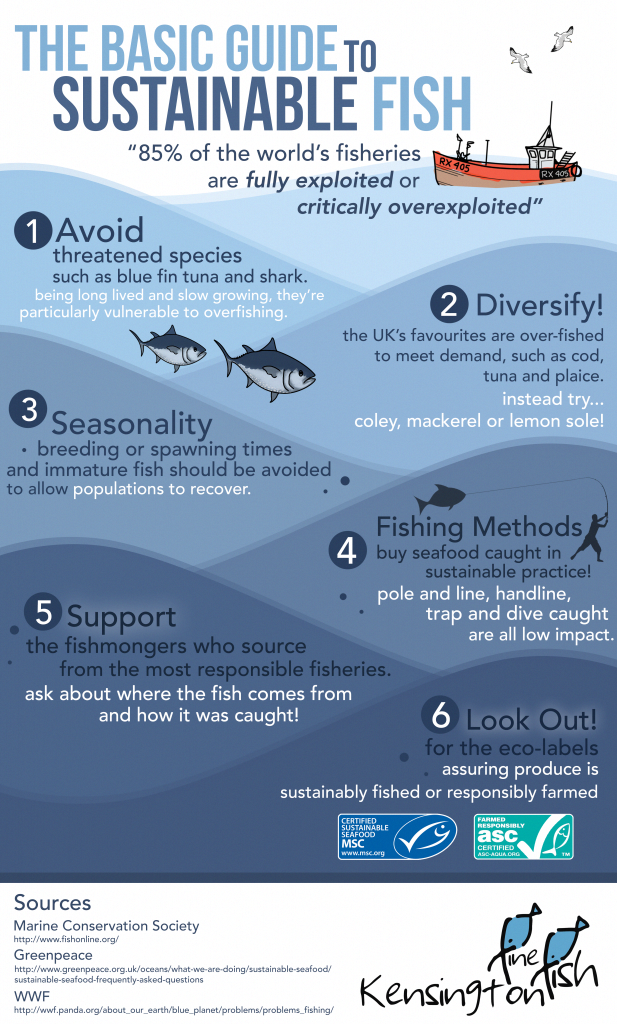
However, it is important for pescatarians to be mindful of the types of seafood they consume as some fishing methods can have negative environmental consequences. Overfishing, destructive fishing techniques like trawling or dynamite fishing, and bycatch (the unintended capture of non-target species) are major concerns in many parts of the world.
To ensure sustainable choices when selecting seafood, pescatarians should look for certifications such as Marine Stewardship Council (MSC) or Aquaculture Stewardship Council (ASC). These certifications guarantee that the fishery or aquaculture operation meets specific sustainability criteria regarding stock levels, habitat impact reduction measures, and responsible management practices.
Additionally, incorporating seaweed into a pescatarian diet can provide numerous environmental benefits. Seaweeds are rich in essential nutrients like vitamins A and C as well as minerals like iodine and calcium. They require no fresh water or arable land to grow since they obtain everything they need from the ocean’s resources alone. Unlike traditional crop farming methods that often require large amounts of freshwater irrigation and contribute to soil erosion problems, seaweed cultivation is a sustainable and eco-friendly alternative.
Seaweed farming also has the potential to mitigate climate change. Seaweeds absorb carbon dioxide from the water as they grow, helping to reduce ocean acidification and create a healthier marine ecosystem. Furthermore, seaweeds can be used in various ways beyond direct consumption, such as biofuel production or as an ingredient in sustainable packaging materials.
In terms of sustainable fishing practices for pescatarians, it is crucial to prioritize wild-caught fish species that are abundant and well-managed. Some examples include Alaskan salmon, Pacific halibut, Atlantic mackerel, sardines, and anchovies. These species have healthy populations and are often caught using methods like hook-and-line fishing or pole-and-line fishing which have minimal impact on other marine life.
When it comes to lesser-known fish varieties for pescatarian meals, exploring options like Arctic char, barramundi, haddock, Rainbow trout or tilapia can provide exciting alternatives while still maintaining nutritional value. These fish offer unique flavors and textures that can enhance the variety of pescatarian dishes.
For those on a budget interested in pescatarian meal planning, canned tuna or canned sardines can be excellent choices. They are affordable yet packed with omega-3 fatty acids – essential fats that promote heart health and brain function. Canned fish can be incorporated into salads, sandwiches or pasta dishes for quick and easy meal options without breaking the bank.
Speaking of omega-3 fatty acids in a pescatarian diet brings us to another important aspect – their numerous benefits. Omega-3s play a vital role in reducing inflammation within the body along with supporting cardiovascular health by improving blood lipid profiles. Consuming fatty fish such as salmon or mackerel at least twice per week ensures an adequate intake of these beneficial fats.
While seafood is an excellent source of many essential nutrients, pescatarians should also pay attention to their iron and zinc intake. Shellfish like mussels, clams, and oysters are rich in these minerals and can be included in the diet to meet these nutritional needs. Plant-based sources such as legumes, dark leafy greens, nuts, and seeds can also help supplement iron and zinc intake for those who prefer not to consume shellfish.
For pescatarians looking for unique flavors and textures, fermented seafood options can provide exciting culinary experiences. Fermented fish sauces like garum or nam pla add umami depth to dishes while fermented shrimp paste is commonly used in Southeast Asian cuisine. These condiments allow pescatarians to explore different global flavors in their cooking.
Pescatarian diets also offer opportunities for creative alternatives to traditional meat-based sauces and gravies. For instance, a tomato-based sauce with anchovies can replace a meat-based Bolognese sauce in pasta dishes while adding a distinct savory flavor profile. Similarly, replacing beef stock with fish stock or vegetable broth enriched with seaweed provides a flavorful base for soups or stews.
Shellfish plays an essential role in a balanced pescatarian diet due to its high protein content along with valuable nutrients such as iodine, selenium, zinc, and copper. Mussels are particularly noteworthy as they have one of the highest protein contents among all shellfish varieties while being relatively low in fat.
When it comes to balancing protein intake as a pescatarian, there are various options available beyond seafood alone. Incorporating plant-based proteins such as tofu, tempeh (fermented soybean cake), seitan (wheat gluten), lentils or chickpeas into meals helps ensure adequate protein consumption alongside the benefits of omega-3s from seafood sources.
Navigating social situations as a pescatarian may occasionally present challenges when dining out or attending gatherings where vegetarian or vegan options may be more readily available. However, most restaurants and hosts are accommodating when informed in advance about dietary preferences or restrictions. It’s important to communicate one’s needs respectfully and offer to bring a dish that fits within the pescatarian guidelines if necessary.
Mercury levels in fish can be a concern for pescatarians due to potential health risks associated with prolonged exposure. However, many low-mercury fish options are safe for consumption, including salmon, trout, sardines, and anchovies. Avoiding larger predatory fish like shark or swordfish can help minimize mercury intake while still enjoying the nutritional benefits of seafood.
Anchovies are often overlooked but provide significant nutritional benefits for pescatarians. They are packed with omega-3 fatty acids, calcium, iron, magnesium, phosphorus, potassium as well as vitamins B12 and D. Adding anchovies to salads or using them as a flavor enhancer in dressings or sauces can elevate both taste and nutrition in pescatarian meals.
Canned fish such as tuna or salmon offers convenience without compromising on nutrition and taste. They can be used in various creative ways beyond traditional sandwiches or salads. For example, canned salmon can be mixed with breadcrumbs and herbs to make delicious salmon cakes while canned tuna can be incorporated into pasta dishes or used as a topping for homemade pizzas.
Vitamin B12 supplementation is crucial for pescatarians since this nutrient is primarily found in animal products like meat and dairy. While some seafood sources contain small amounts of vitamin B12 (such as clams), it is generally recommended that pescatarians consider taking supplements to ensure adequate intake of this essential vitamin.
Concerns regarding pesticide and antibiotic use in farmed fish should also be taken into account by conscientious pescatarians. Choosing sustainably sourced seafood from reputable suppliers ensures lower chances of contamination with harmful substances commonly associated with intensive aquaculture operations.
For those interested in exploring exotic seafood delicacies suitable for pescatarians, there are numerous peculiar options from around the world. Dishes like ceviche (marinated raw fish or shellfish) from Latin America, kelp noodles from Asia, or escabeche (marinated fried fish) from Mediterranean cuisine provide unique and flavorful experiences.
Lastly, it is worth mentioning the potential connection between consuming seafood as a pescatarian and mental health benefits. Omega-3 fatty acids found abundantly in fish have been associated with improved mood regulation and reduced risk of depression. Incorporating seafood into a balanced diet may contribute to overall mental well-being.
In conclusion, adopting a pescatarian diet can have significant environmental benefits by reducing greenhouse gas emissions and supporting sustainable fishing practices. By making informed choices about seafood sources and incorporating seaweed into their diet, pescatarians can further enhance their positive impact on the planet. Additionally, careful selection of lesser-known fish varieties, creative meal planning on a budget, and supplementation where necessary ensure that pescatarians can enjoy a nutritionally balanced diet while reaping the rewards of this eco-conscious lifestyle choice.

Leave a Reply