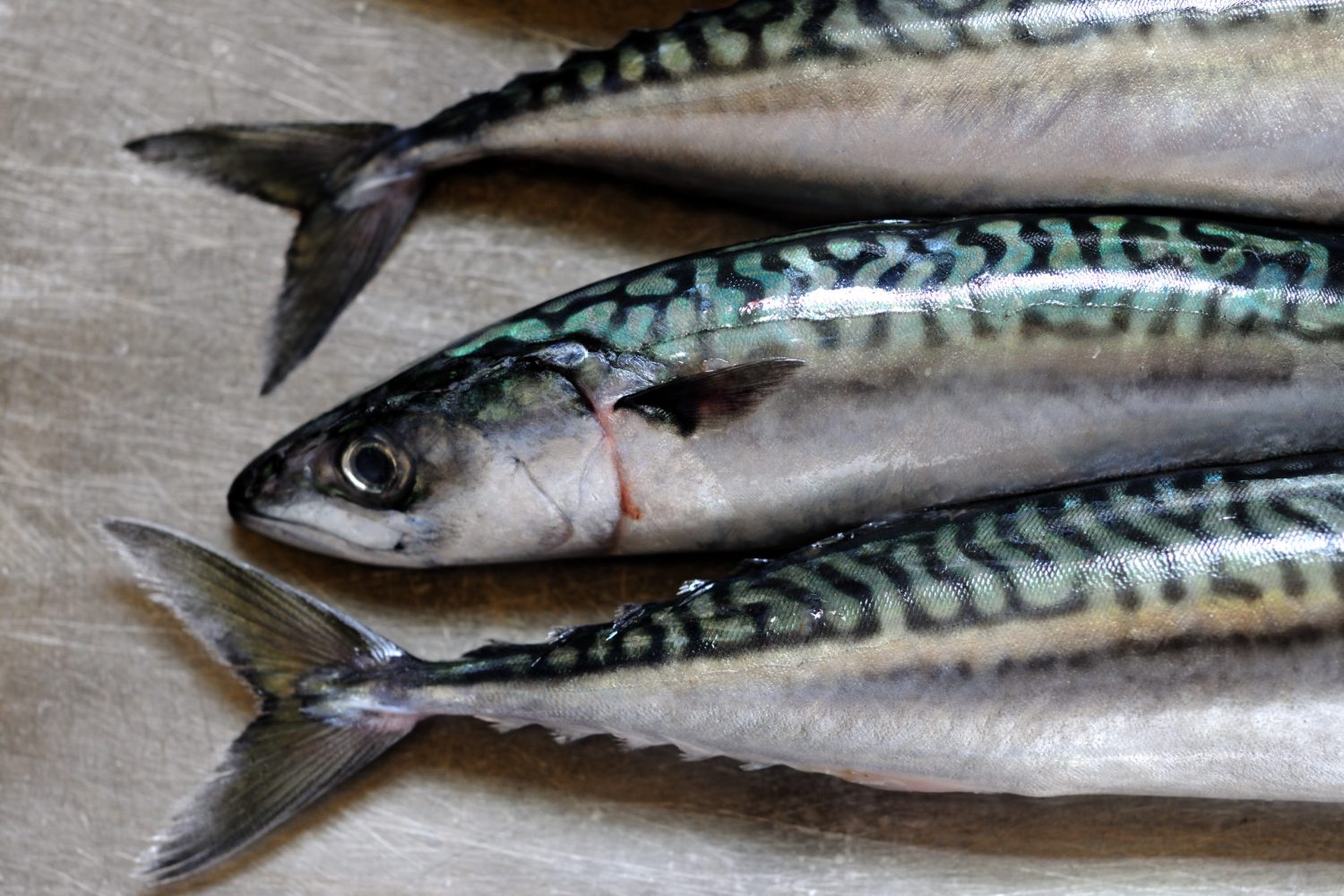
Mackerel: A Nutritious and Delicious Fish
Introduction:
When it comes to healthy eating, fish often takes center stage. With its abundance of omega-3 fatty acids, lean protein, and essential vitamins and minerals, fish has become a staple in many diets around the world. One such fish that stands out for its nutritional value is mackerel.
In this article, we will explore the various health benefits of mackerel, its nutritional profile, how to incorporate it into your diet, and any potential concerns associated with consuming this flavorful fish.
What is Mackerel?
Mackerel is a saltwater fish found in temperate and tropical waters all over the globe. It belongs to the Scombridae family and is known for its streamlined body shape and distinctive dark blue or greenish-blue stripes along its back.
There are several species of mackerel available worldwide. The most common types include Atlantic mackerel (Scomber scombrus), Pacific mackerel (Scomber japonicus), Spanish mackerel (Scomberomorus maculatus), King mackerel (Scomberomorus cavalla), and Indian Mackerels (Rastrelliger spp.).
Nutritional Profile:
Mackerel offers an impressive array of nutrients that contribute to overall health. Here’s a breakdown of its nutritional profile per 100 grams serving:
Calories: 305 kcal
Protein: 20 g
Fat: 25 g
Omega-3 Fatty Acids: 2.6 g
Vitamin D: 360 IU (90% DV)
Vitamin B12: 16 mcg (267% DV)
Niacin (Vitamin B3): 8 mg (40% DV)
Potassium: 425 mg
Magnesium: 60 mg
Health Benefits:
1. High Omega-3 Fatty Acids Content: Mackerel is an excellent source of omega-3 fatty acids, particularly eicosapentaenoic acid (EPA) and docosahexaenoic acid (DHA). These essential fatty acids play a crucial role in reducing inflammation, improving heart health, boosting brain function, and supporting overall well-being.
2. Heart Health: Regular consumption of mackerel has been associated with a reduced risk of cardiovascular diseases. The omega-3 fatty acids present in mackerel help lower triglyceride levels, increase HDL cholesterol (the “good” cholesterol), reduce blood pressure, and decrease the risk of abnormal heart rhythms.
3. Brain Function: Omega-3 fatty acids are vital for brain health and development. Research suggests that consuming fish like mackerel may improve cognitive function, memory retention, and decrease the risk of neurodegenerative disorders such as Alzheimer’s disease.
4. Bone Health: Mackerel is an excellent source of Vitamin D which plays a pivotal role in calcium absorption and bone health. Adequate vitamin D intake helps prevent conditions like osteoporosis and reduces the risk of fractures.
5. Protein Powerhouse: With its high protein content, mackerel makes for an excellent choice for those looking to build or maintain muscle mass. Protein also plays a crucial role in repairing tissues throughout the body.
6. Eye Health: Mackerel contains antioxidants such as vitamins A and C along with minerals like zinc that are beneficial for eye health. These nutrients help protect against age-related macular degeneration (AMD) and maintain healthy vision.
Incorporating Mackerel into Your Diet:
Mackerel can be enjoyed in various delicious ways:
1. Grilled or Baked: Marinate fresh mackerel fillets with herbs, lemon juice, olive oil, garlic or your favorite spices before grilling or baking them until they become flaky yet moist.
2. Smoked: Smoked mackerel has a rich, intense flavor and can be enjoyed on its own or added to salads, sandwiches, or pasta dishes.
3. Canned Mackerel: Canned mackerel is a convenient option that can be easily incorporated into salads, spreads, or even as a topping for pizzas.
4. Asian-inspired Dishes: Mackerel is commonly used in various Asian cuisines such as sushi rolls, sashimi, curries, or stir-fried with vegetables and ginger.
Potential Concerns:
While mackerel offers numerous health benefits, it’s important to consider some potential concerns:
1. Mercury Content: Like many other fish species higher up the food chain, mackerel may contain trace amounts of mercury due to environmental pollution. Pregnant women and young children should limit their intake of larger mackerel species like King mackerel due to higher mercury levels.
2. Allergies: Some individuals may have allergies or sensitivities to fish proteins including those found in mackerel. If you experience any adverse reactions after consuming fish or seafood products, consult an allergist for further evaluation.
Conclusion:
Mackerel is not only delicious but also packed with essential nutrients that support overall health and well-being. Its high omega-3 fatty acid content contributes to heart health, brain function improvement and provides numerous other benefits like bone health support and eye protection against AMD.
Incorporating this flavorful fish into your diet through grilling/baking fresh fillets or enjoying smoked/canned options allows for versatility in recipes while reaping the nutritional rewards offered by this remarkable seafood choice. However, it’s important to be mindful of potential concerns such as mercury contamination and allergies when consuming mackerel regularly.
Overall though if you’re looking for a nutrient-dense addition to your meals that will tantalize your taste buds at the same time – look no further than mackerel!

Leave a Reply