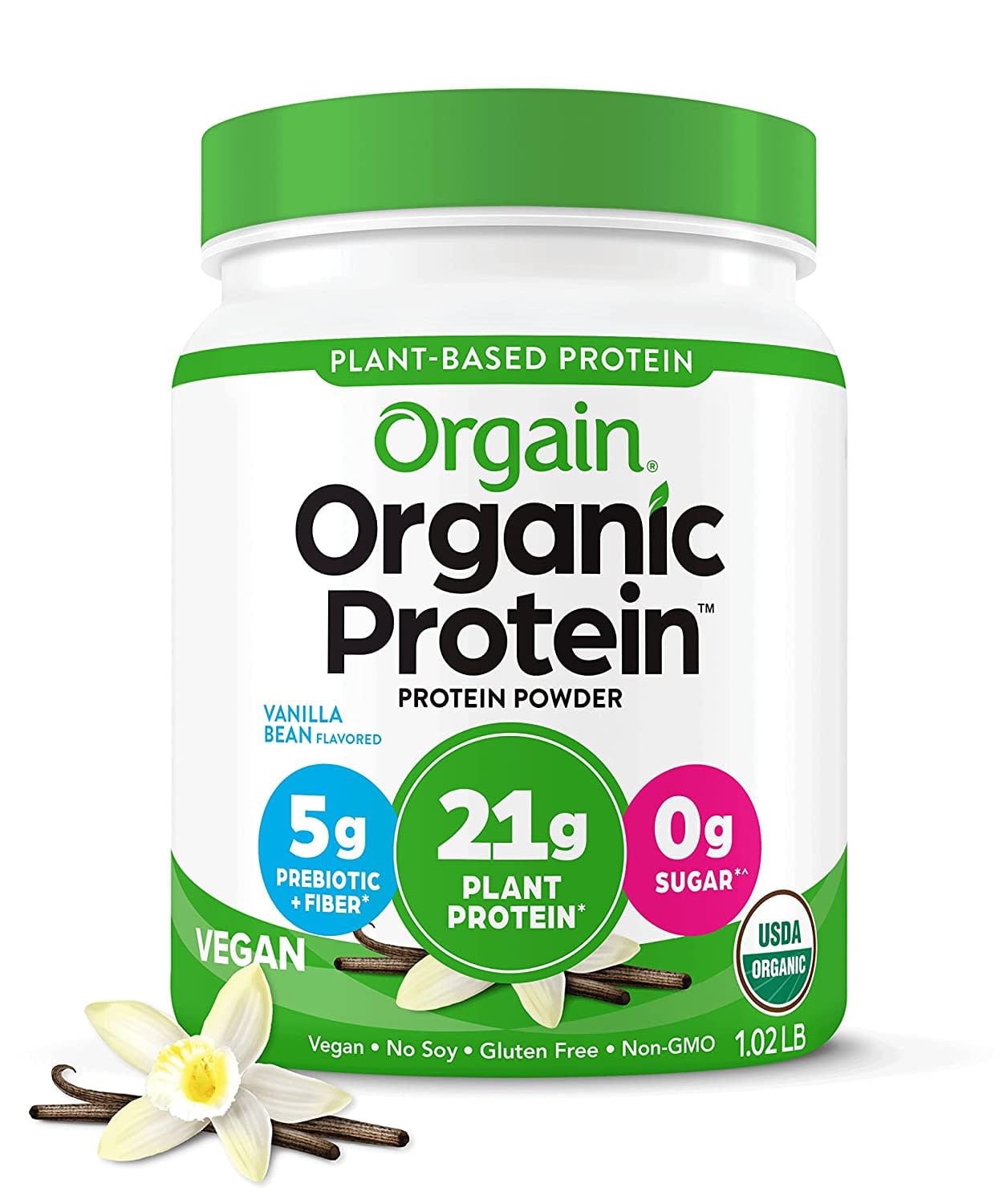
Plant-based protein powders have gained immense popularity in recent years, as more and more individuals are shifting towards a plant-centric diet or seeking alternatives to animal-based proteins. These powders offer a convenient and efficient way to meet your daily protein needs while also providing an array of health benefits. In this spotlight on organization style post, we will delve into the world of plant-based protein powder, exploring its various types, benefits, and how to incorporate it into your diet.
Types of Plant-Based Protein Powders
When it comes to plant-based protein powders, there is no shortage of options available in the market today. Here are some popular varieties:
1. Pea Protein Powder: Derived from yellow split peas, pea protein powder is one of the most common choices among vegans and vegetarians. It boasts an impressive amino acid profile and is rich in branched-chain amino acids (BCAAs) that aid muscle recovery and growth.
2. Hemp Protein Powder: Made from ground hemp seeds, hemp protein powder contains all essential amino acids required by our bodies. Additionally, it is a great source of omega-3 fatty acids that support heart health.
3. Rice Protein Powder: Extracted from brown rice grains, rice protein powder is easily digestible and hypoallergenic. It may not be as high in certain essential amino acids compared to other sources but can still be combined with complementary proteins for a complete amino acid profile.
4. Soy Protein Powder: Although controversial due to concerns over genetically modified organisms (GMOs) and potential hormonal effects in large quantities, soy protein powder remains a popular choice for those following a plant-based diet due to its high-quality amino acid composition.
5. Pumpkin Seed Protein Powder: This lesser-known option offers a unique flavor profile along with beneficial nutrients like magnesium, iron, zinc, and antioxidants.
Benefits of Plant-Based Protein Powders
1. High-Quality Protein Source: Plant-based protein powders provide a concentrated source of protein, making it easier to meet your daily requirements. Protein is essential for building and repairing tissues, supporting immune function, and maintaining healthy hair, skin, and nails.
2. Easily Digestible: Plant-based proteins are generally easier to digest than animal-based proteins. They are also free from lactose and often gluten-free, making them suitable for individuals with dietary restrictions or sensitivities.
3. Rich in Fiber: Unlike many animal-based protein sources, plant-based protein powders are typically high in fiber. Fiber aids digestion, promotes satiety, and helps regulate blood sugar levels.
4. Nutrient-Rich: Along with providing protein, plant-based options often contain additional nutrients like iron, magnesium, B vitamins, antioxidants, and phytochemicals that contribute to overall health and well-being.
5. Environmentally Friendly: Choosing plant-based protein powders over their animal-derived counterparts can have a positive impact on the environment by reducing greenhouse gas emissions associated with livestock production.
Incorporating Plant-Based Protein Powders into Your Diet
1. Smoothies: One of the easiest ways to incorporate plant-based protein powder into your diet is by adding it to smoothies. Blend together your favorite fruits or vegetables with a scoop of powder for a quick and nutritious meal or snack option.
2. Baked Goods: You can enhance the nutritional value of baked goods such as muffins or energy bars by replacing a portion of flour with plant-based protein powder. Experimenting with recipes will help you find the right balance between taste and texture.
3. Breakfast Bowls: Boost your morning bowl of oatmeal or yogurt by mixing in some plant-based protein powder along with other toppings like nuts or seeds for added crunchiness.
4. Energy Balls/Bars: Create homemade energy balls or bars using a combination of dates (or other dried fruits), nuts/seeds, oats, nut butter, and plant-based protein powder. These make for a convenient on-the-go snack packed with protein and nutrients.
5. Pancakes/Waffles: Add some plant-based protein powder to your pancake or waffle batter for a nutritious twist on your favorite breakfast indulgence.
6. Soups/Stews: You can even add a scoop of plant-based protein powder to soups or stews to increase the overall protein content without altering the taste significantly.
When choosing a plant-based protein powder, it’s important to read labels carefully and select products that are free from artificial additives, sweeteners, and fillers. Opting for organic options can also ensure that you’re consuming a product free from pesticides and other harmful chemicals.
In conclusion, plant-based protein powders offer an array of benefits while providing a convenient way to meet your daily protein needs. With various types available in the market today, there is something to suit everyone’s preferences and dietary requirements. By incorporating these powders into your diet through smoothies, baked goods, breakfast bowls, energy balls/bars, pancakes/waffles, or soups/stews, you can enjoy their nutritional advantages while exploring new flavors and recipes. So why not give plant-based protein powders a try? Your body and the planet will thank you!

Leave a Reply