Financial Considerations When Choosing Between Organic and Conventional Sources of Healthy Fats
When it comes to choosing between organic and conventional sources of healthy fats, many factors come into play. One significant consideration is the financial aspect. While organic foods are often perceived as healthier and more environmentally friendly, they can also come with a higher price tag. In this article, we will explore the financial implications of choosing between organic and conventional sources of healthy fats.
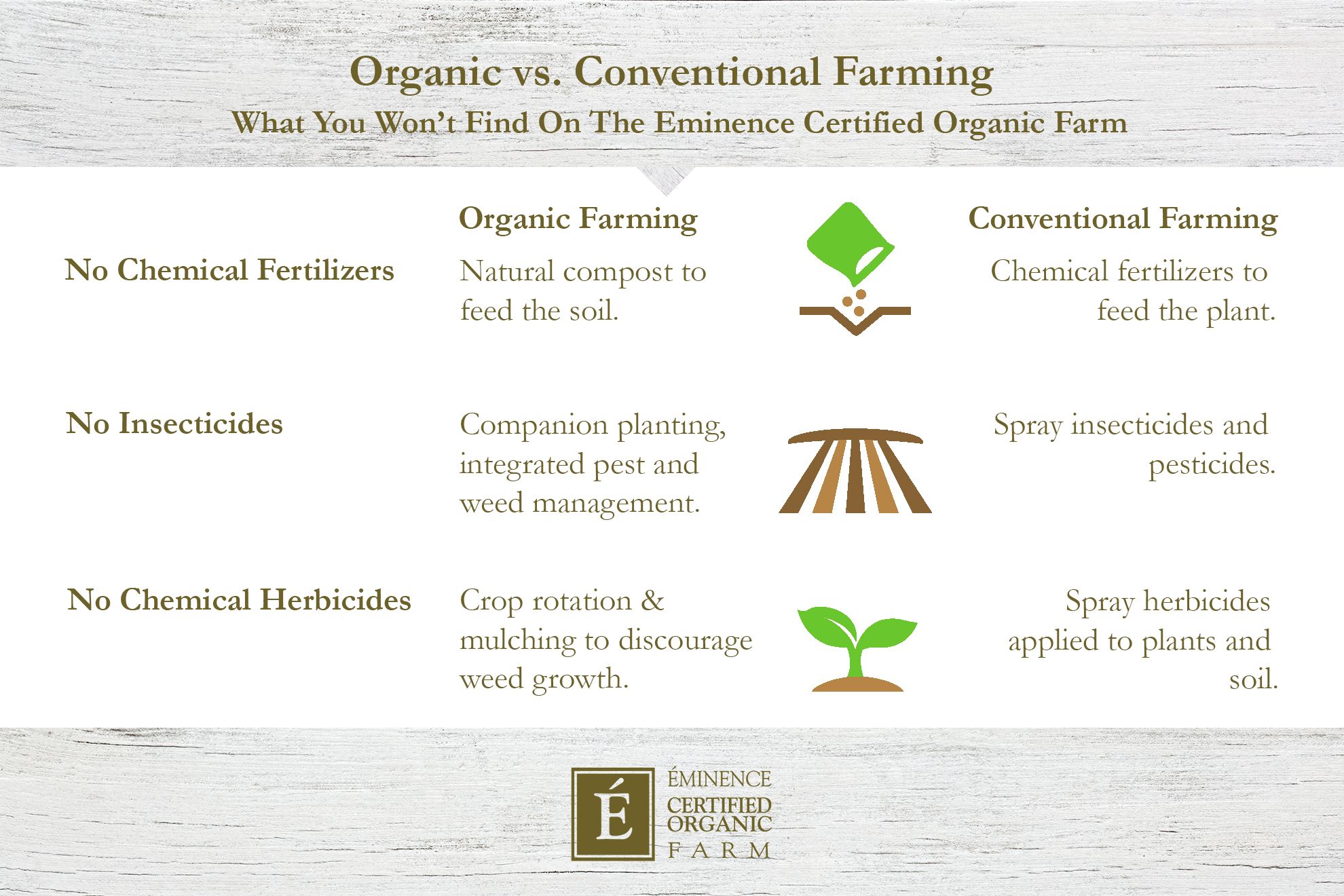
1. Cost: It’s no secret that organic products tend to be pricier than their conventional counterparts. This is due to the higher costs associated with organic farming practices, such as avoiding synthetic pesticides and using natural fertilizers. If you’re on a tight budget, opting for conventional sources might be more financially feasible in the short term.
2. Health benefits: While both organic and conventional healthy fats offer nutritional value, some argue that organically produced fats may contain fewer harmful chemicals like pesticides or antibiotics commonly used in conventional farming practices. However, research on whether these differences have a significant impact on human health remains inconclusive.
3. Environmental impact: Another factor to consider is the environmental cost associated with different farming methods. Organic farming typically emphasizes sustainable practices that promote soil health and biodiversity while reducing pollution levels. By supporting organic farmers, you contribute to creating a healthier planet for future generations.
4. Availability: Depending on where you live, access to affordable organic options may vary greatly compared to conventional alternatives. In some regions or countries, there might be limited availability of certain organic products or a lack of competition among suppliers leading to higher prices overall.
5. Certifications: The presence of various certifications can affect product pricing significantly – both for conventionally grown and organically produced foods alike. While obtaining an official organic certification involves additional expenses for farmers, it also provides consumers with assurance regarding the authenticity of the product’s claim.
6. Seasonality: Another aspect impacting prices is seasonality; organic produce might be subject to more significant price fluctuations due to its reliance on natural farming methods. During certain seasons, when supply is limited, prices may rise considerably. In contrast, conventional sources are often available year-round at a relatively stable cost.
7. Personal priorities: Your individual values and health goals play an essential role in determining whether the additional expense of organic sources is worth it for you personally. Some people prioritize environmental sustainability and prefer supporting organic farmers despite the higher costs, while others focus primarily on affordability.
8. Balancing choices: Finding a middle ground between organic and conventional sources can also be an option for those seeking financial balance without compromising quality too much. For instance, certain healthy fats like avocados or olive oil have lower levels of pesticide residue even in their conventionally grown forms compared to other produce.
In conclusion, choosing between organic and conventional sources of healthy fats requires careful consideration of your budget, health concerns, environmental impact preferences, availability in your area, certifications involved, seasonality factors as well as personal priorities regarding sustainability versus affordability. Ultimately, finding the right balance that suits both your financial situation and overall wellbeing is key when making these dietary decisions.

Leave a Reply