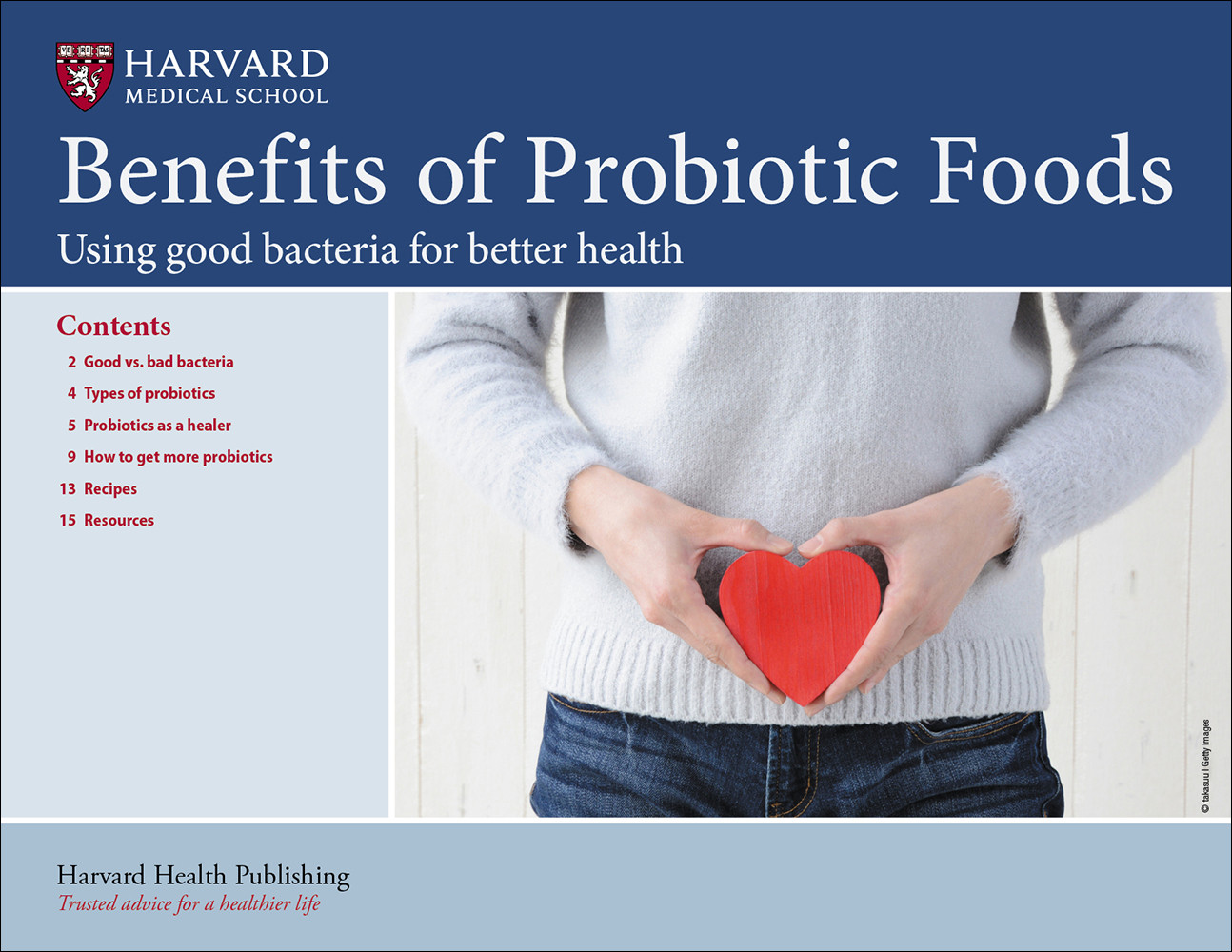
Probiotics: The Secret to a Healthy Gut
In recent years, there has been a surge of interest in probiotics and their potential health benefits. These live bacteria and yeasts are often referred to as “good” or “friendly” bacteria, as they promote a healthy balance within our gut microbiome. But what exactly are probiotics, and why are they gaining so much attention? Let’s dive into the world of these beneficial microorganisms.
1. What Are Probiotics?
Probiotics are living microorganisms that can be found naturally in certain foods or taken as supplements. They work by improving the balance of bacteria in our digestive system, which is crucial for maintaining overall health.
2. Types of Probiotics
While there are many different strains of probiotics, the most common ones belong to two groups – Lactobacillus and Bifidobacterium. Each strain offers unique benefits but generally aid digestion, boost immunity, and support the absorption of nutrients.
3. Benefits for Digestive Health
One key benefit of probiotics is their ability to improve digestive health by maintaining intestinal regularity and reducing symptoms like bloating and constipation. They do this by breaking down complex carbohydrates that our bodies cannot digest on their own.
4. Boosting Immune Function
Did you know that approximately 70% of your immune system resides in your gut? Probiotics play a vital role in supporting immune function by promoting the growth of beneficial bacteria while suppressing harmful pathogens.
5. Managing Digestive Disorders
For individuals with gastrointestinal conditions such as irritable bowel syndrome (IBS) or inflammatory bowel disease (IBD), incorporating probiotics into their diet may provide relief from symptoms like abdominal pain and diarrhea.
6. Preventing Antibiotic-Associated Diarrhea
Antibiotics kill both harmful and beneficial bacteria indiscriminately, leading to an imbalance in the gut microbiome known as dysbiosis. Probiotics can help restore the disrupted balance and reduce the risk of antibiotic-associated diarrhea.
7. Mental Health Benefits
Emerging research suggests a strong connection between our gut health and mental well-being. Some studies indicate that probiotics may improve symptoms of anxiety, depression, and stress by modulating brain activity through the gut-brain axis.
8. Maintaining Heart Health
Certain strains of probiotics have been linked to reducing cholesterol levels, blood pressure, and inflammation – all significant risk factors for heart disease. Incorporating these beneficial bacteria into your diet may contribute to maintaining a healthy cardiovascular system.
9. Supporting Weight Management
While not a magic weight loss solution, probiotics could potentially aid in weight management efforts by influencing metabolism, appetite regulation, and fat storage patterns.
10. Food Sources of Probiotics
If you prefer obtaining probiotics naturally rather than through supplements, there are several food sources available. These include yogurt with live cultures, sauerkraut, kimchi, tempeh, kefir, miso soup made with fermented soybeans or grains like barley or rice.
11. Choosing the Right Probiotic Supplement
When selecting a probiotic supplement from the vast array on the market today, it’s important to consider factors such as strain diversity (including multiple Lactobacillus and Bifidobacterium strains), colony-forming units (CFUs), packaging quality to protect live cultures until consumption date.
12: Consult Your Healthcare Provider
Before starting any new dietary regimen or introducing supplements into your routine – especially if you have underlying health conditions – it is crucial to consult with your healthcare provider who can guide you based on your specific needs.
In conclusion, incorporating probiotics into your diet has numerous potential benefits for overall health and well-being. While more research is needed to fully understand their mechanisms of action and optimal dosage requirements for different conditions or individuals’ unique needs, adding probiotic-rich foods or supplements to your daily routine might be a positive step toward maintaining a healthy gut and optimizing your overall health.

Leave a Reply