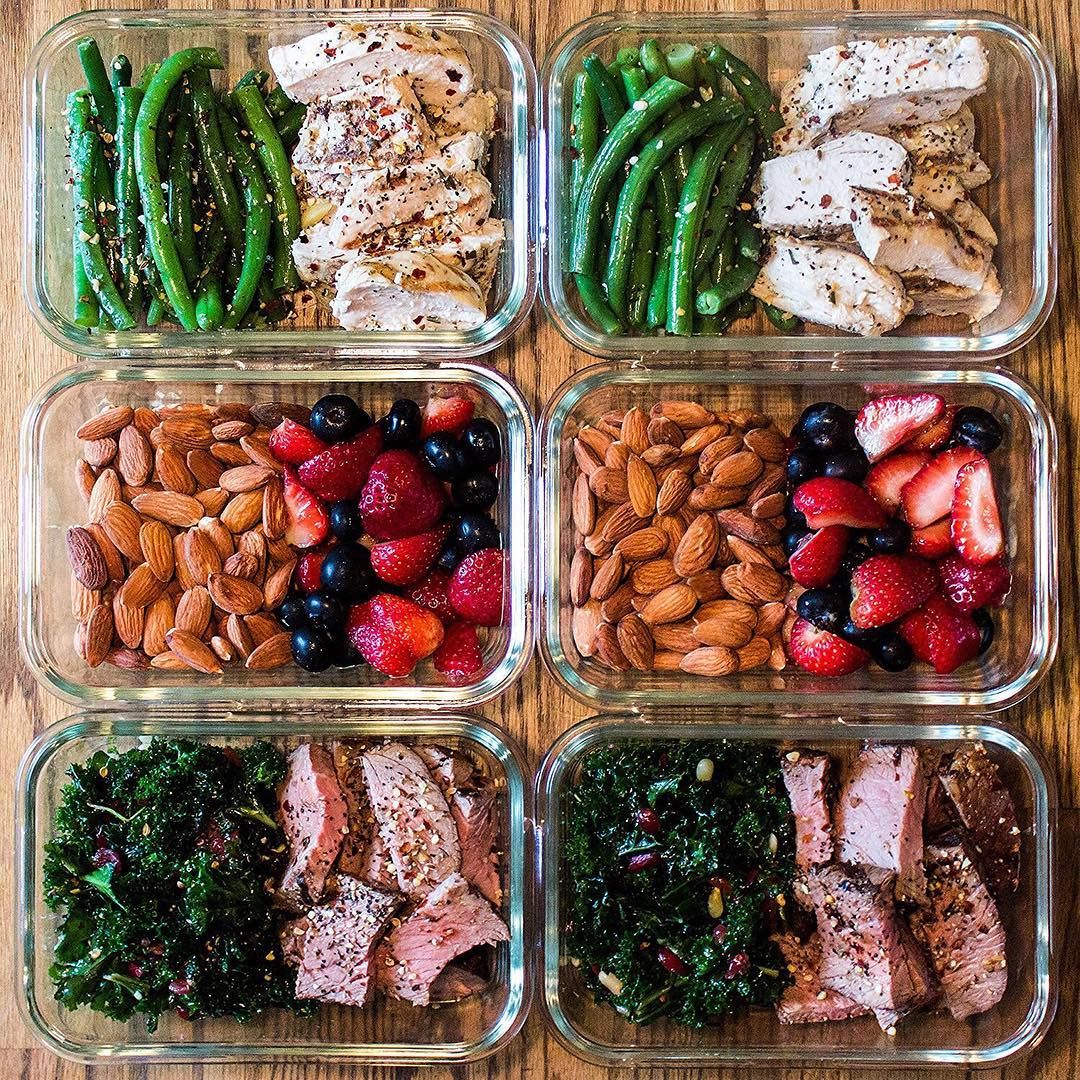
Meal prepping is a fantastic way to save money while also sticking to your healthy eating goals. By planning and preparing your meals in advance, you can avoid the temptation of ordering takeout or dining out, which can quickly deplete your bank account. Not only does meal prepping help you cut back on unnecessary expenses, but it also ensures that you have nutritious meals readily available throughout the week.
To get started with meal prepping, there are a few key steps to follow. First and foremost, it’s essential to create a meal plan for the week ahead. Take some time each Sunday or whichever day works best for you to sit down and decide what dishes you want to prepare. Consider incorporating a variety of proteins such as chicken, fish, tofu, or beans along with an assortment of vegetables and whole grains.
Next, make a detailed grocery list based on your meal plan. Stick to this list when shopping so that you don’t end up buying unnecessary items that may go unused and ultimately be wasted. Buying groceries in bulk whenever possible is another great way to save money while meal prepping. Look for sales or discounts on staple items like rice, pasta, canned goods, and frozen fruits and vegetables.
Once you’ve done your grocery shopping, set aside some time for cooking and assembling your meals. Choose recipes that can easily be prepared in large batches such as casseroles, stir-fries, soups, or chili. These types of dishes not only ensure plenty of leftovers but also tend to freeze well if needed.
Investing in quality food storage containers is crucial for successful meal prepping. Opt for BPA-free containers that are microwave-safe and have compartments if desired so that different components of your meals can be stored separately until ready to eat.
When portioning out your meals into individual containers or divvying up servings into separate bags (such as freezer-friendly ziplock bags), consider using a kitchen scale rather than relying solely on visual estimates. This will help you achieve accurate portion sizes, ensuring that you have enough food for each meal without excessive waste.
Label and date your containers before storing them in the fridge or freezer. This step is important not only for organization but also to ensure that you consume meals while they are still fresh. It’s recommended to consume refrigerated meal preps within four days and frozen ones within three months for optimal quality.
To add variety to your meal preps, consider incorporating different flavors and seasonings. For example, marinating chicken in a teriyaki sauce one week and using a lemon herb seasoning the next can make a significant difference in taste without requiring much additional effort.
Don’t forget about snacks! Preparing healthy snacks alongside your main meals can prevent impulsive snacking on unhealthy options throughout the day. Consider making homemade granola bars, trail mix, or cutting up fresh fruits and vegetables for easy grab-and-go options.
Another way to save money with meal prepping is by utilizing leftovers creatively. For instance, leftover roasted chicken can be used in salads or sandwiches the next day. Similarly, cooked grains like rice or quinoa can serve as bases for various dishes such as grain bowls or fried rice.
Lastly, incorporate some flexibility into your meal prep routine. While it’s great to plan out all of your meals in advance, unexpected events may arise where eating out becomes necessary or desirable. By allowing yourself some flexibility within your schedule and remaining adaptable, you won’t feel restricted by your meal plan.
In conclusion, meal prepping offers an excellent opportunity to save money while maintaining a healthy diet. By following these steps – creating a weekly meal plan, making a detailed grocery list, cooking in bulk, investing in quality storage containers – you’ll be well on your way to successful and cost-effective meal prepping. Remember to label everything properly and get creative with flavors while also incorporating leftovers into future meals. With a little practice, meal prepping will become second nature, helping you save money and eat well simultaneously.

Leave a Reply