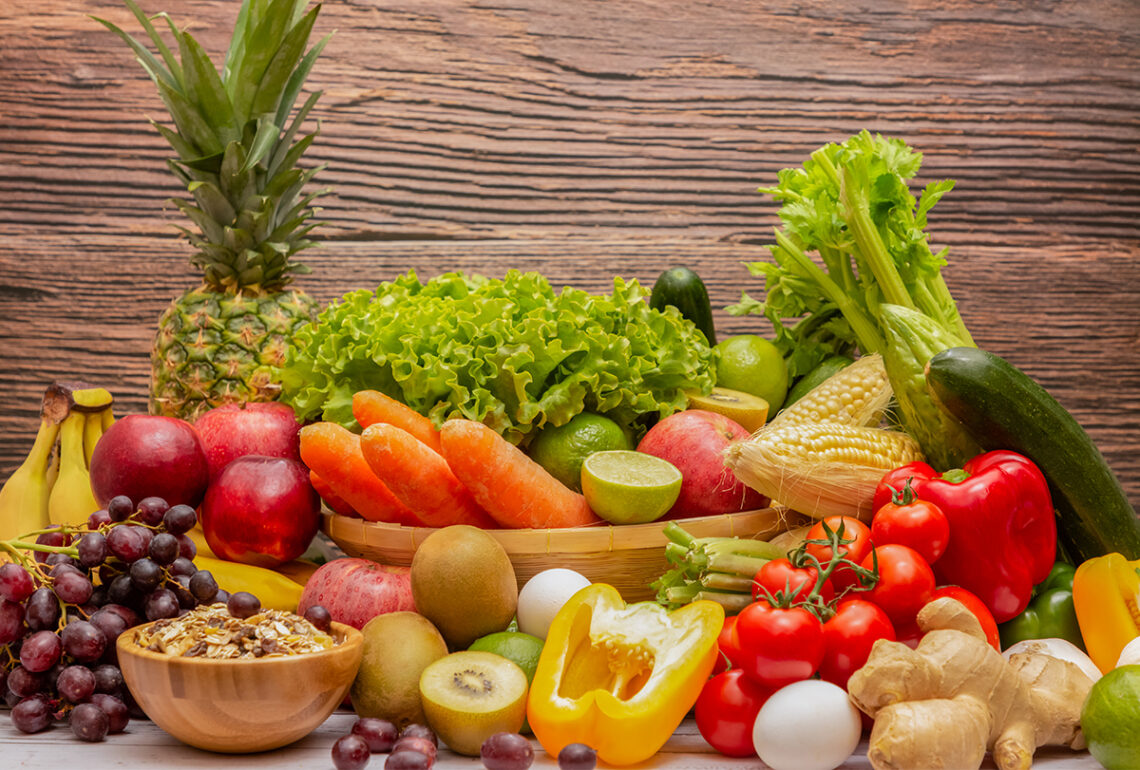
Fruits and vegetables are essential components of a healthy diet. They provide us with vital nutrients, vitamins, minerals, and fiber that support overall well-being. Incorporating a wide variety of fruits and vegetables into your daily meals can have numerous health benefits, including reducing the risk of chronic diseases such as heart disease, stroke, and certain types of cancer.
One major advantage of consuming fruits and vegetables is their low calorie content. This makes them an excellent choice for those looking to lose weight or maintain a healthy weight. High in water content and fiber, they help you feel full while providing essential nutrients without adding excessive calories.
Leafy greens like spinach, kale, collard greens, and Swiss chard pack a powerful nutritional punch. These vegetables are rich in vitamins A, C, K1 along with folate and iron. Regular consumption can support eye health due to their high levels of antioxidants like lutein and zeaxanthin.
Citrus fruits such as oranges, lemons, grapefruits are not only delicious but also highly nutritious. Bursting with vitamin C – known for its immune-boosting properties – citrus fruits also offer dietary fiber which aids digestion. Additionally, citrus fruits contain flavonoids that may lower the risk of cardiovascular diseases.
Berries are another group of fruits known for their abundance in antioxidants such as anthocyanins. These compounds have been shown to improve brain function and reduce the risk of age-related cognitive decline. Popular berries include strawberries, blueberries raspberries which are packed with vitamins C & K along with manganese.
Cruciferous vegetables like broccoli cauliflower cabbage Brussels sprouts belong to the Brassicaceae family renowned for their anti-cancer properties due to glucosinolates present in them when consumed raw or lightly cooked these sulfur compounds activate enzymes that play a crucial role in detoxification processes within our bodies.
Colorful bell peppers come in various shades including green red yellow and orange. These vibrant vegetables are loaded with vitamins A, C, E along with potassium and fiber. Due to their high antioxidant content, bell peppers have been linked to a reduced risk of chronic diseases like heart disease and certain types of cancer.
Tomatoes are not only a versatile ingredient in the kitchen but also offer numerous health benefits. They contain lycopene – an antioxidant associated with lowering the risk of prostate cancer. Tomatoes are also rich in vitamin C, potassium, folate, and vitamin K.
Lastly, sweet potatoes deserve a special mention for being highly nutritious root vegetables. Packed with fiber, vitamins A & C as well as potassium, sweet potatoes offer more nutrients than regular white potatoes. Their orange color indicates that they’re rich in beta-carotene which can be converted into vitamin A by our bodies.
In conclusion, incorporating a wide variety of fruits and vegetables into your diet is essential for optimal health. From leafy greens to citrus fruits and colorful berries to cruciferous veggies – each type brings its unique set of nutrients and health benefits. By including these nutrient-dense foods into your meals regularly, you can improve overall well-being while reducing the risk of chronic diseases in the long run.

Leave a Reply