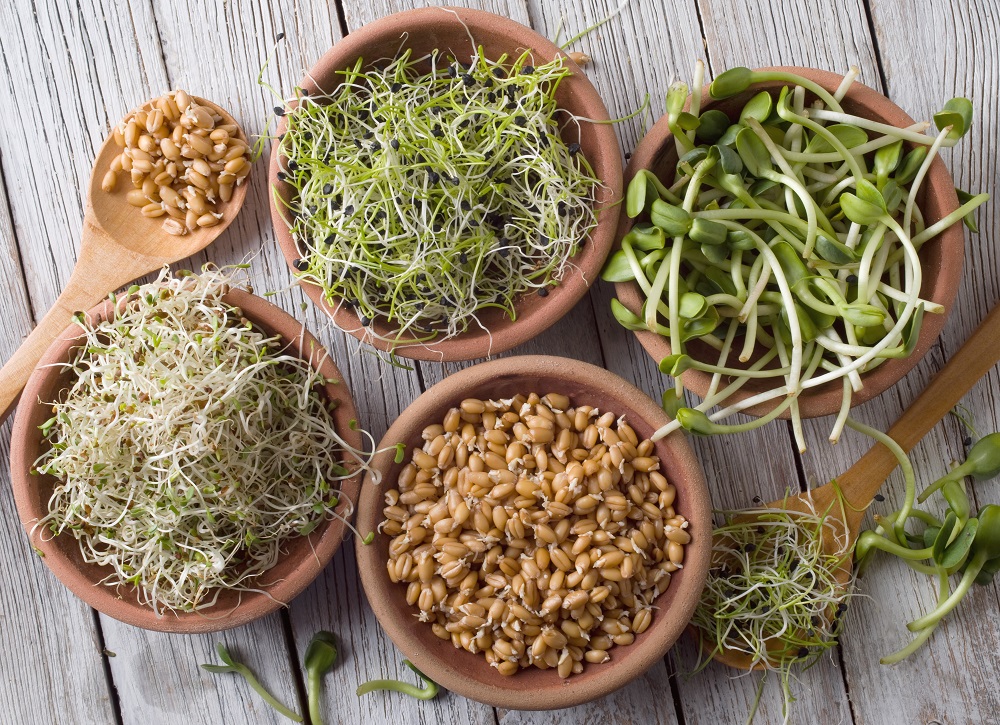
Sprouting grains and legumes at home is a simple and cost-effective way to enhance the nutritional value of your meals. Sprouts are packed with vitamins, minerals, enzymes, and antioxidants that can benefit your overall health. They are also a great source of fiber and protein, making them an excellent addition to vegetarian and vegan diets. Whether you’re new to sprouting or have some experience in this area, here are 14 grains and legumes that you can easily sprout at home.
1. Lentils: Lentil sprouts are crunchy with a mild nutty flavor. They require minimal soaking time (4-6 hours) before rinsing thoroughly twice a day until they develop small tails. Lentil sprouts are rich in folate, iron, and fiber.
2. Mung Beans: Mung bean sprouts have been popular in Asian cuisine for centuries due to their crisp texture and refreshing taste. Soak the beans overnight before rinsing them twice daily until they grow long shoots. Mung bean sprouts provide essential nutrients like vitamin C, potassium, magnesium, and dietary fiber.
3. Chickpeas: Sprouted chickpeas offer a unique twist on this beloved legume by adding extra crunchiness to salads or sandwiches. Soak the chickpeas for about 8 hours before rinsing them twice daily until they germinate tiny roots. These nutritious sprouts contain protein, iron, calcium, and vitamin C.
4.Wheat Berries: Wheat berries produce tender greens when sprouted instead of growing into wheatgrass like other varieties of wheat seeds do.These delightful greens can be added to salads or used as a garnish for various dishes.
5.Quinoa: Quinoa is known for its high protein content but did you know it can be easily sprouted too? Rinse quinoa well before soaking it overnight; then rinse it again every few hours during the day until tiny tails emerge. Quinoa sprouts are rich in amino acids, vitamins, and minerals.
6.Buckwheat: Despite its name, buckwheat is not a true grain but rather a seed. Buckwheat sprouts have a slightly sweet and nutty flavor that adds depth to salads or can be used as a topping for yogurt or smoothie bowls. Soak the seeds overnight before rinsing them twice daily until they develop small shoots.
7.Amaranth: Amaranth seeds can be soaked for 8-12 hours before being rinsed twice daily until they sprout. The resulting amaranth sprouts offer a mild taste and tender texture that complements various dishes such as stir-fries or soups.
8.Barley: Barley is one of the oldest cultivated grains, often used in hearty soups and stews. When sprouted, barley gains additional nutritional value by increasing its vitamin C content. Soak the barley kernels overnight; then rinse them twice daily until tiny roots appear.
9.Sesame Seeds: Sprouting sesame seeds enhances their already delicious nutty flavor while also making them easier to digest. Rinse the seeds thoroughly before soaking them overnight; then rinse again every few hours during the day until they germinate small tails.
10.Brown Rice: Sprouting brown rice helps break down phytic acid present in its outer layer, making it more easily digestible and boosting nutrient absorption. Soak brown rice for 24 hours before rinsing it twice daily until tiny shoots form.
11.Oats: Oat sprouts add an interesting twist to your morning oatmeal routine with their crunchy texture and subtly sweet taste. Soak rolled oats overnight; then rinse them twice daily until they start to grow small roots.
12.Sunflower Seeds: Sunflower seed sprouts possess a delicate nutty flavor that pairs well with salads or sandwiches. Rinse sunflower seeds well before soaking them for 8-12 hours; then rinse twice daily until they develop sprouts.
13.Buckwheat Groats: Buckwheat groats are seeds that can be sprouted to create tender greens or used in granola mixes. Soak the groats overnight before rinsing them twice daily until small shoots appear.
14.Rye Berries: Rye berries, when sprouted, offer a mild and slightly sweet taste with a pleasant crunch. Soak the berries overnight; then rinse them twice daily until they develop tiny roots.
Sprouting grains and legumes at home is an excellent way to add freshness, texture, and nutrition to your meals. By incorporating these versatile sprouts into your diet, you’ll not only enhance the flavors of your dishes but also provide yourself with a wide range of health benefits. Give it a try and enjoy the many benefits of homemade sprouts!

Leave a Reply