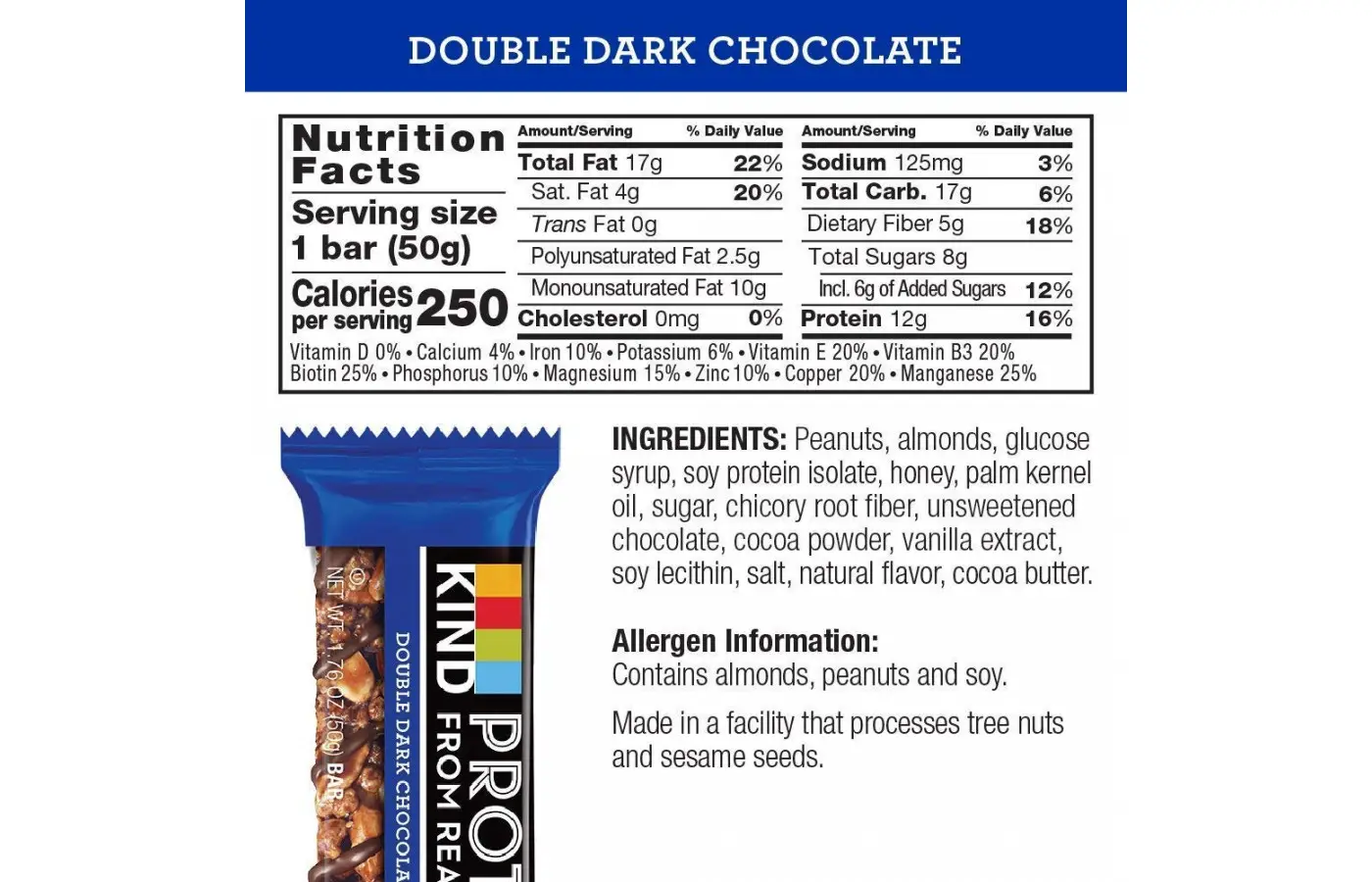
Protein bars have become a popular choice for many health-conscious individuals looking to incorporate more protein into their diets. Whether you’re an athlete, fitness enthusiast, or simply trying to maintain a balanced diet, protein bars offer convenience and a quick source of nutrition on the go. In this panel discussion-style post, we will explore the world of protein bars and discuss various aspects related to their ingredients, benefits, drawbacks, and usage.
Joining our discussion today are three experts in the field of nutrition and healthy eating: Dr. Sarah Johnson, a registered dietitian; Mark Davis, a certified personal trainer; and Lisa Thompson, a professional chef specializing in plant-based cuisine. Let’s dive right into our conversation!
Moderator: Thank you all for being here today. Let’s start with the basics. What exactly are protein bars?
Dr. Johnson: Protein bars are convenient snacks that are typically enriched with high-quality proteins such as whey or plant-based alternatives like pea or soy protein isolates. They often contain other macronutrients like carbohydrates and fats as well.
Mark Davis: That’s correct! Protein bars come in various flavors and textures while providing an easy way to meet your daily protein requirements without having to cook or prepare complex meals.
Lisa Thompson: Yes, they can be quite handy when you’re on-the-go or need something quick before or after workouts.
Moderator: Great! Now let’s talk about the benefits of incorporating protein bars into one’s diet.
Dr. Johnson: Protein is essential for building and repairing tissues in our bodies. It plays a crucial role in muscle recovery after exercise and helps promote satiety when consumed as part of a balanced meal or snack.
Mark Davis: Absolutely! For those engaged in regular physical activity or strength training, consuming enough protein is vital for muscle growth and repair.
Lisa Thompson: Additionally, some people find it challenging to consume sufficient amounts of dietary protein through whole foods alone. Protein bars can be a convenient solution to bridge that gap.
Moderator: While protein bars offer several benefits, are there any drawbacks or considerations we should keep in mind?
Dr. Johnson: It’s important to read the nutritional labels carefully. Some protein bars contain high amounts of added sugars, unhealthy fats, and artificial ingredients. These should be consumed in moderation.
Mark Davis: I agree. Some protein bars on the market may contain excessive calories, particularly those marketed as meal replacements or weight gain products. It’s essential to choose wisely based on your specific needs and goals.
Lisa Thompson: Another consideration is the source of protein used in these bars—some individuals have allergies or dietary restrictions when it comes to certain proteins like dairy or soy. Opting for plant-based alternatives can help address those concerns.
Moderator: That leads us nicely into our next topic—protein sources in these bars. What are some common types of proteins used and their pros and cons?
Dr. Johnson: Whey protein is one of the most commonly used proteins due to its high biological value and amino acid profile. However, it may not be suitable for those with lactose intolerance or dairy allergies.
Mark Davis: Plant-based proteins like pea, hemp, or brown rice protein isolate are gaining popularity among vegans and individuals seeking alternative options due to ethical reasons or dietary restrictions.
Lisa Thompson: Absolutely! Plant-based proteins are also more sustainable from an environmental standpoint, making them an attractive choice for many consumers today.
Moderator: Now let’s discuss how people can incorporate protein bars into their daily routines effectively.
Dr. Johnson: Protein bars should not replace whole foods entirely but rather complement a balanced diet consisting of lean meats, fish, legumes, fruits, vegetables, whole grains, etc. They can serve as a snack between meals or as a post-workout option when paired with other nutrients like carbohydrates.
Mark Davis: Timing is crucial too. Consuming a protein bar within 30-60 minutes after a workout can aid in muscle recovery and synthesis.
Lisa Thompson: Additionally, individuals should be mindful of their overall caloric intake, especially if weight management is a concern. Protein bars can be quite calorie-dense, so portion control is key.
Moderator: Thank you all for sharing your insights and expertise on protein bars. Before we wrap up, any final thoughts or recommendations?
Dr. Johnson: Always prioritize whole foods as the primary source of nutrients, but if you’re looking for convenience or struggle with meeting your protein needs, opt for high-quality protein bars that are low in added sugars and artificial ingredients.
Mark Davis: Don’t forget to stay hydrated when consuming protein bars since they tend to be more concentrated than traditional food sources of protein.
Lisa Thompson: Lastly, consider making your own homemade protein bars using natural ingredients whenever possible. This way, you have complete control over what goes into them!
Moderator: That concludes our panel discussion on protein bars. Thank you to our experts for sharing their valuable insights today! Remember to consult with healthcare professionals or registered dietitians before making significant changes to your diet or incorporating new supplements like protein bars.
Whether you choose store-bought options or prefer homemade alternatives, incorporating well-balanced and nutritious snacks into your daily routine can contribute positively to your overall health and wellbeing.

Leave a Reply