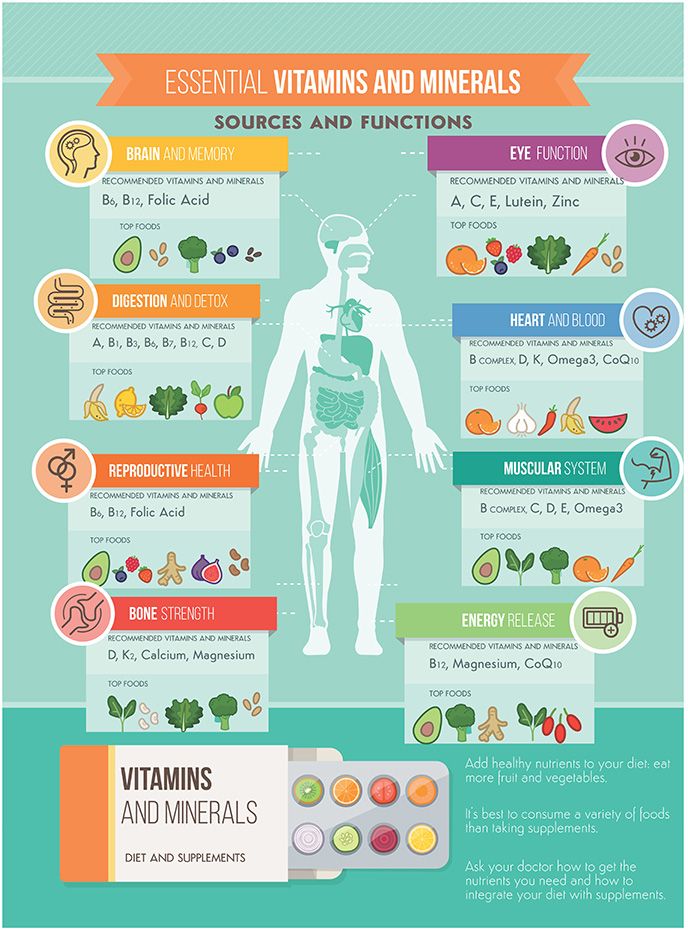
Vitamins and minerals are essential nutrients that our bodies need to function properly. They play a crucial role in maintaining overall health and well-being. Incorporating a variety of vitamins and minerals into our diet is important for promoting optimal bodily functions. Let’s explore some key vitamins and minerals and their benefits.
Vitamin C, also known as ascorbic acid, is well-known for its immune-boosting properties. It helps protect against infections, promotes wound healing, and aids in the absorption of iron from plant-based sources. Additionally, vitamin C acts as a powerful antioxidant that helps fight free radicals in the body.
Vitamin D is often referred to as the “sunshine vitamin” because our bodies can produce it when exposed to sunlight. This vitamin plays a vital role in bone health by aiding in calcium absorption and supporting proper bone mineralization. It is also involved in regulating immune function, reducing inflammation, and promoting healthy cell growth.
Vitamin A is essential for maintaining good vision, particularly night vision. It supports the health of the retina and other parts of the eye. Vitamin A also plays a key role in immune function, cell growth, reproduction, and skin health.
Vitamin E is a fat-soluble antioxidant that protects cells from damage caused by free radicals. It supports healthy skin by moisturizing it from within while protecting against oxidative stress caused by environmental factors such as UV radiation or pollution. Good sources of vitamin E include nuts (such as almonds), seeds (such as sunflower seeds), spinach, broccoli, and avocado.
B vitamins are a group of water-soluble vitamins that work together to support various bodily functions such as energy production, metabolism regulation, brain health, nerve function maintenance (including memory functions), DNA synthesis/gene expression regulation or red blood cell formation among others.
In addition to vitamins, minerals are equally important for maintaining optimal health:
Calcium is not only vital for strong bones but also plays a crucial role in muscle contraction, nerve function, and blood clotting. Dairy products, leafy greens (like kale or broccoli), and fortified plant-based milk are excellent sources of calcium.
Iron is an essential mineral involved in oxygen transport throughout the body. It is necessary for energy production and the formation of red blood cells. Good sources of iron include lean meats, seafood, legumes (such as lentils or chickpeas), spinach, and fortified cereals.
Magnesium is involved in over 300 enzymatic reactions in the body and plays a critical role in muscle function, including relaxation. It also supports bone health and regulates blood pressure. Good dietary sources of magnesium include nuts (like almonds or cashews), seeds (such as pumpkin seeds), whole grains, dark chocolate, and leafy green vegetables.
Zinc is an essential mineral that aids in immune system functioning by supporting wound healing, DNA synthesis/gene expression regulation or cell division among others. Sources of zinc include oysters, beef/pork/lamb/chicken/turkey meat poultry/legumes/nuts/seeds such as pumpkin seeds/sesame seeds/sunflower seeds/hemp hearts.
Potassium is important for maintaining healthy heart function by regulating heartbeat rhythms and controlling blood pressure levels. Bananas are often associated with high potassium content but other good sources include sweet potatoes, spinach/kale/collard greens/mushrooms/beets/acorn squash/white beans/lentils/bananas/oranges/watermelon/yogurt/fish like salmon/tuna/cod.
Sodium has a significant impact on blood pressure regulation but should be consumed in moderation since excessive sodium intake can lead to high blood pressure. Processed foods often contain high amounts of sodium so opting for fresh ingredients when cooking can help keep sodium intake under control.
Iodine is essential for thyroid hormone production which helps regulate metabolism/body temperature/regulation/development/growth.
Selenium is an antioxidant mineral that helps protect cells from oxidative damage. It also plays a role in thyroid hormone metabolism and immune function. Good sources of selenium include Brazil nuts, seafood (such as tuna or shrimp), whole grains, and legumes.
Phosphorus is essential for healthy bones and teeth, as it works closely with calcium to maintain bone density. Dairy products, meat, fish, poultry, nuts/seeds/beans/lentils are good dietary sources of phosphorus.
Copper is involved in iron absorption and utilization within the body. It also supports the production of red blood cells and collagen formation. Good sources of copper include shellfish (like oysters or lobster), organ meats (such as liver), nuts/seeds like cashews/sesame seeds/sunflower seeds/hemp hearts/chia seeds/flaxseeds/quinoa/mushrooms/spinach/kale
Manganese plays a crucial role in metabolism regulation by assisting enzymes involved in carbohydrate/protein/lipid metabolism among others. Excellent sources of manganese include whole grains (like brown rice or oats), leafy green vegetables (such as spinach or kale), nuts/seeds (like almonds or pumpkin seeds).
Chromium aids in regulating blood sugar levels by enhancing insulin action in the body. Good dietary sources of chromium include broccoli, grape juice/apples/bananas/spinach/green beans/potatoes/whole grains/meats/fish/nuts/seeds such as flaxseeds/brazil nuts/walnuts
Fluoride is known for its dental health benefits since it helps prevent tooth decay by strengthening tooth enamel. Drinking fluoridated water and using fluoride toothpaste are effective ways to incorporate this mineral into your routine.
Omega-3 fatty acids are essential fats that play a vital role in brain function and development. They have been shown to improve cognitive function, mood regulation/prevent depression/reduce inflammation/support heart health. Good sources include fatty fish (such as salmon or mackerel), walnuts, flaxseeds/chia seeds/hemp hearts.
Including a variety of foods rich in vitamins and minerals can help ensure that our bodies receive the necessary nutrients for optimal health. It is always recommended to consult with a healthcare professional or registered dietitian before making any significant dietary changes or starting new supplements, especially if you have specific health concerns or conditions.

Leave a Reply