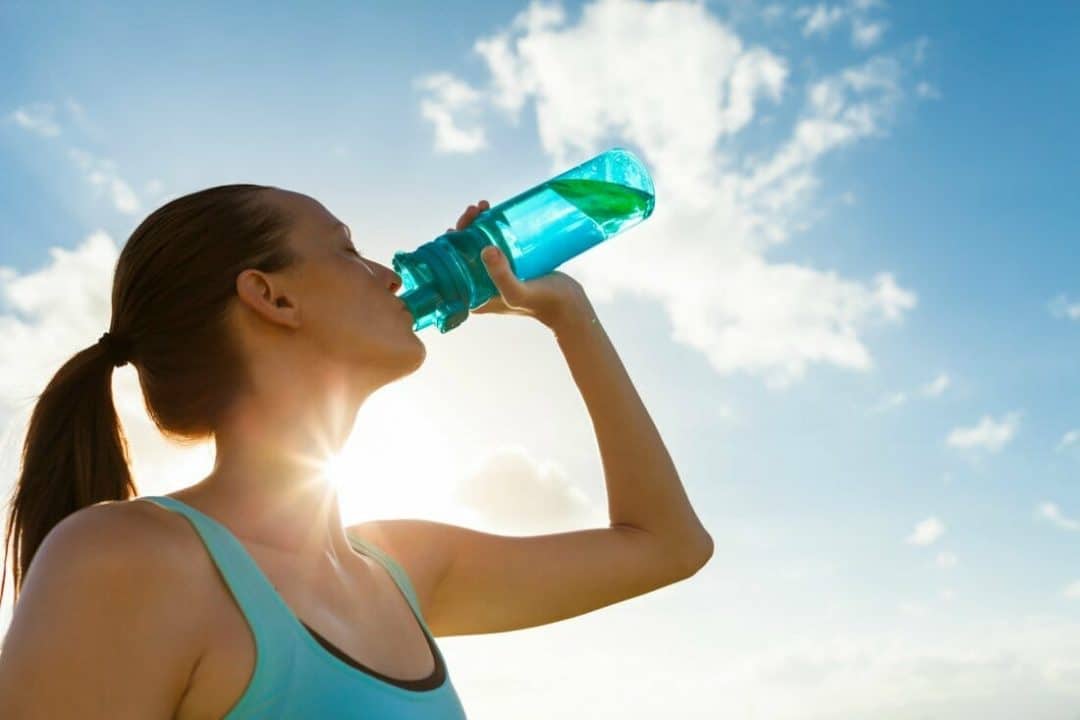
Water vs. Sports Drinks: Which is the Better Choice for Hydration?
Staying hydrated is essential for overall health and well-being, especially during physical activity or exercise. When it comes to replenishing fluids lost through sweat, both water and sports drinks are popular choices. While water is undoubtedly a classic and readily available option, sports drinks have gained popularity in recent years due to their claims of providing enhanced hydration and improved performance. In this article, we will delve into the debate of water versus sports drinks, examining their respective benefits, drawbacks, and determining which one is the better choice for hydration.
Water – The Timeless Essential
Water is often referred to as the elixir of life due to its vital role in maintaining bodily functions. It serves as a foundation for all physiological processes and plays a crucial role in regulating body temperature, transporting nutrients throughout the body, cushioning joints, lubricating tissues, and aiding in digestion.
One of the undeniable advantages of water lies in its accessibility and affordability. No matter where you are or what your budget may be, chances are there will always be clean drinking water available nearby at little to no cost. Additionally, water contains zero calories or additives and is free from artificial flavors or sweeteners.
However, when it comes to intense workouts lasting longer than an hour or high-intensity activities like marathon running or team sports that involve prolonged exertion under hot conditions – plain water might not be enough.
Sports Drinks – An Athlete’s Ally?
Sports drinks were initially developed with athletes in mind who needed quick rehydration along with electrolyte replenishment after vigorous physical exertion lasting more than an hour. These beverages typically contain carbohydrates (sugar), electrolytes (such as sodium and potassium), minerals (like magnesium), vitamins (such as B-complex vitamins), flavorings for taste enhancement purposes.
The primary purpose behind adding carbohydrates into sports drinks is to provide energy during extended periods of exercise. The electrolytes, such as sodium and potassium, aid in rehydration by replacing the minerals lost through sweat. Furthermore, sports drinks are often formulated to have a flavor that encourages athletes to drink more, thus ensuring adequate hydration.
For serious athletes or those engaged in prolonged physical activities, especially in hot weather conditions where excessive sweating can lead to electrolyte imbalances, sports drinks may provide an advantage over water alone. These beverages can help replenish fluids and essential nutrients lost during intense exercise.
The Dark Side of Sports Drinks
While sports drinks indeed offer benefits for certain individuals engaging in strenuous physical activity or endurance events, they are not without downsides.
One significant drawback is their high sugar content. Many popular sports drinks contain a considerable amount of added sugars which contribute unnecessary calories and may lead to weight gain or dental issues if consumed excessively. Additionally, some people may experience gastrointestinal discomfort due to the presence of these high amounts of sugar during exercise.
Moreover, the specific needs for electrolyte replacement vary from person to person. While some individuals may benefit from the additional electrolytes provided by sports drinks, others might not require them at all. For those engaging in moderate-intensity workouts lasting less than an hour or casual recreational activities like walking or light jogging – water should suffice for maintaining optimal hydration levels.
Making an Informed Choice
When it comes down to choosing between water and sports drinks for hydration purposes during physical activity, there isn’t a one-size-fits-all answer. Several factors must be considered before making an informed decision:
1. Duration and intensity: If you’re participating in high-intensity exercises lasting longer than an hour or engaging in extended endurance events like marathons or triathlons – opting for a sports drink might be beneficial due to its carbohydrate and electrolyte content.
2. Sweat rate: Individuals who sweat profusely during exercise may benefit from consuming a beverage that contains both fluids and electrolytes to help replenish what is lost.
3. Personal preference: Some individuals may find sports drinks more palatable, leading to increased fluid consumption and better hydration overall.
For most recreational exercisers or those engaging in moderate-intensity workouts lasting less than an hour, water remains the go-to choice for hydration. It’s essential to listen to your body and consume fluids based on individual needs rather than blindly following trends or marketing claims.
In conclusion, both water and sports drinks have their place in maintaining adequate hydration levels during physical activity. While water is a timeless essential that caters to the needs of most individuals, sports drinks can be advantageous for athletes engaged in prolonged intense exercise. Ultimately, it’s crucial to assess personal requirements, consider factors such as duration and intensity of activity, sweat rate, and personal preference when deciding which option will best support optimal hydration for your specific situation.

Leave a Reply