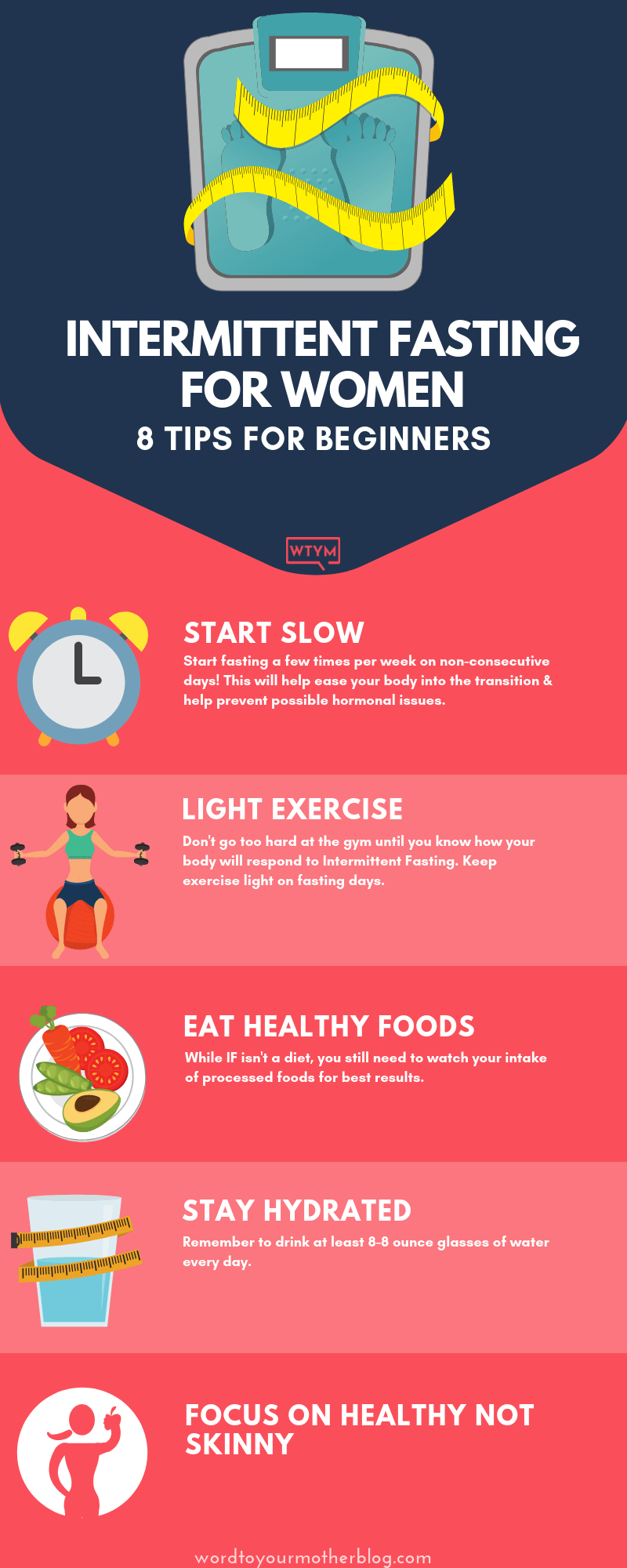
Intermittent Fasting for Women: A Guide to Health and Empowerment
In today’s fast-paced world, women are constantly balancing multiple roles and responsibilities. From juggling a career to managing a household, it can be challenging to find time for self-care and prioritize health. However, intermittent fasting has emerged as an empowering tool that not only helps women achieve their weight loss goals but also enhances overall well-being.
What is Intermittent Fasting?
Intermittent fasting (IF) is an eating pattern that cycles between periods of fasting and eating. Unlike traditional diets that focus on what you eat, IF primarily focuses on when you eat. There are several different methods of intermittent fasting, including the 16/8 method, alternate-day fasting, and the 5:2 diet.
The 16/8 method involves restricting your daily eating window to eight hours while abstaining from food for the remaining sixteen hours. During the eating window, you consume all your calories within this timeframe. The alternate-day fasting approach involves alternating between regular eating days and days with severe calorie restriction or complete fasting.
The Benefits of Intermittent Fasting for Women
1. Weight Loss: One of the primary benefits of intermittent fasting is its ability to promote weight loss in women. By limiting the number of hours available for consumption each day, IF naturally reduces caloric intake without requiring strict portion control or calorie counting. Additionally, during the fasted state, our body taps into stored fat as an energy source since there is no incoming food supply.
Several studies have shown that intermittent fasting can be just as effective as continuous calorie restriction when it comes to shedding unwanted pounds while preserving muscle mass (1). It also tends to target visceral fat—the harmful fat surrounding organs—which is associated with increased risk factors for various diseases like diabetes and cardiovascular issues.
2. Hormonal Balance: Women’s bodies undergo hormonal fluctuations throughout their menstrual cycle—intermittent fasting can help maintain hormonal balance. A study published in the Journal of Clinical Endocrinology and Metabolism found that intermittent fasting improves insulin sensitivity, reduces insulin levels, and promotes healthy hormone regulation (2).
Moreover, IF has been shown to increase levels of human growth hormone (HGH), a hormone crucial for muscle growth, fat burning, and overall metabolism. This is particularly beneficial for women as they age since HGH production naturally declines.
3. Enhanced Brain Function: Intermittent fasting has been linked to improved brain health and cognitive function due to its influence on neurotrophic factors like brain-derived neurotrophic factor (BDNF) (3). BDNF supports the growth and survival of neurons while also promoting the formation of new connections between brain cells. It plays a vital role in learning, memory, mood regulation, and overall cognitive function.
4. Reduced Inflammation: Chronic inflammation is at the root of many diseases such as heart disease, diabetes, arthritis, and even cancer. Intermittent fasting has shown promise in reducing inflammation markers within the body (4). By giving your digestive system extended periods of rest during fasting windows from processing food constantly throughout the day—your body can focus on repairing damaged tissues instead.
5. Improved Energy Levels: Contrary to what one might expect when abstaining from food for an extended period; many women who practice intermittent fasting report increased energy levels throughout the day. When you’re not constantly digesting meals or experiencing blood sugar fluctuations caused by eating frequently throughout the day; your body’s energy allocation becomes more efficient.
Tips for Successful Intermittent Fasting
1. Start Slowly: If you’re new to intermittent fasting or have never tried any form of time-restricted eating before; it’s best to ease into it gradually rather than jumping straight into longer fasts right away. Begin with a 12-hour fast overnight—making sure to include your sleep time—and gradually increase the fasting window as your body adapts.
2. Stay Hydrated: During fasting periods, it’s essential to stay hydrated by drinking plenty of water or herbal teas. Hydration helps curb hunger pangs and supports overall bodily functions.
3. Choose Nutrient-Dense Foods: When breaking your fast, focus on consuming whole, nutrient-dense foods that provide essential vitamins, minerals, and macronutrients. Include a variety of fruits, vegetables, lean proteins, healthy fats, and complex carbohydrates in your meals to support optimal health.
4. Listen to Your Body: Intermittent fasting is not a one-size-fits-all approach. Pay attention to how your body responds and adjust accordingly. If you feel unwell or excessively hungry during fasting periods; consider shortening the duration or exploring alternative methods that suit you better.
5. Seek Professional Guidance: If you have any underlying medical conditions or concerns about incorporating intermittent fasting into your lifestyle; consult with a healthcare professional or registered dietitian who can guide you based on your individual needs and circumstances.
In Conclusion
Intermittent fasting offers women a flexible and empowering approach to improve their health while managing busy lives successfully. From promoting weight loss and hormonal balance to enhancing brain function and reducing inflammation; IF has been shown to yield numerous benefits backed by scientific research.
Remember that intermittent fasting may not be suitable for everyone—especially those with certain medical conditions or nutritional deficiencies—so it’s crucial always to prioritize individualized guidance from healthcare professionals when making dietary changes.
By harnessing the power of intermittent fasting alongside mindful eating habits; women can take control of their physical well-being while cultivating a positive relationship with food—one that nourishes both body and soul.

Leave a Reply