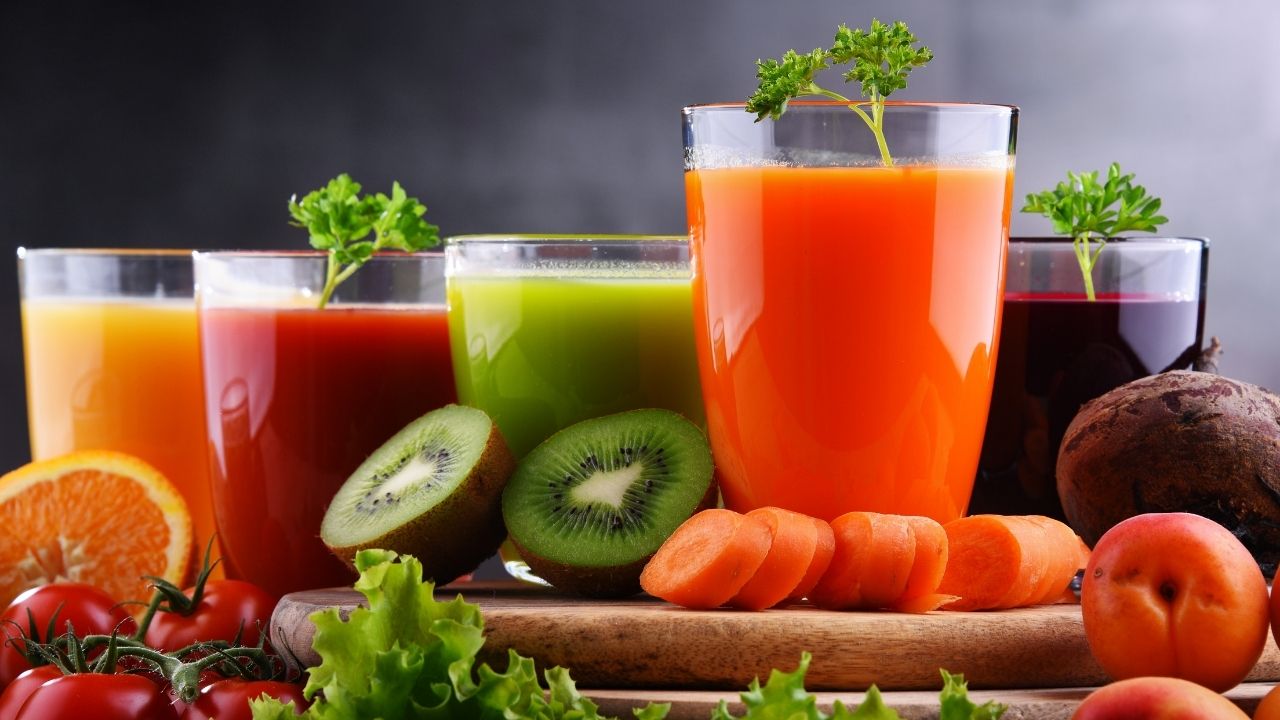
Juicing and blending raw fruits and vegetables have become increasingly popular in recent years as a way to improve overall health and increase nutrient intake. Whether you choose to juice or blend, both methods offer their own unique benefits and can be incorporated into a healthy eating routine.
Juicing involves extracting the liquid from fruits and vegetables, leaving behind the fiber-rich pulp. This process allows for easy digestion as the nutrients are quickly absorbed into the bloodstream. Juices are packed with vitamins, minerals, enzymes, and antioxidants that help boost immunity, detoxify the body, and promote radiant skin.
Blending, on the other hand, involves keeping all parts of the fruit or vegetable intact including the fiber-rich pulp. This method creates smoothies that provide more sustained energy due to their high-fiber content. Blended drinks also keep you feeling fuller for longer periods of time while still delivering a rich array of nutrients.
When it comes to juicing or blending, there is no right or wrong choice – it all depends on your personal preferences and goals. However, there are some considerations to keep in mind when deciding which method is best for you:
1. Fiber Content: If you’re looking to increase your daily fiber intake or want a more filling option that aids in digestion, blending may be ideal for you since it retains all parts of the produce.
2. Nutrient Density: Juices tend to be more concentrated sources of vitamins and minerals since they lack fiber. However, blending allows for greater variety by incorporating whole fruits and veggies into your drink.
3. Blood Sugar Control: Those concerned about blood sugar spikes should opt for blended drinks as they contain more fiber than juices. The presence of fiber slows down sugar absorption into the bloodstream.
4. Digestive Health: For individuals with digestive issues such as bloating or slow transit time through their gastrointestinal tract (GI), juicing may offer relief by providing easily digestible nutrients without straining the digestive system.
Both juicing and blending offer an excellent way to increase your daily fruit and vegetable intake. Experimenting with different combinations can help you discover flavors that you enjoy while reaping the nutritional benefits. Additionally, incorporating a variety of colorful fruits and vegetables ensures a diverse range of nutrients in your diet.
Remember, it’s important to use fresh, organic produce whenever possible to avoid harmful pesticides or additives. Also, be mindful of portion sizes as consuming large quantities of juice or smoothies may lead to excess calorie intake.
In conclusion, whether you choose to juice or blend, both methods have their own advantages. Juicing provides quick absorption of nutrients while blending retains fiber for sustained energy. Ultimately, finding a balance between the two can be beneficial for overall health and well-being.

Leave a Reply