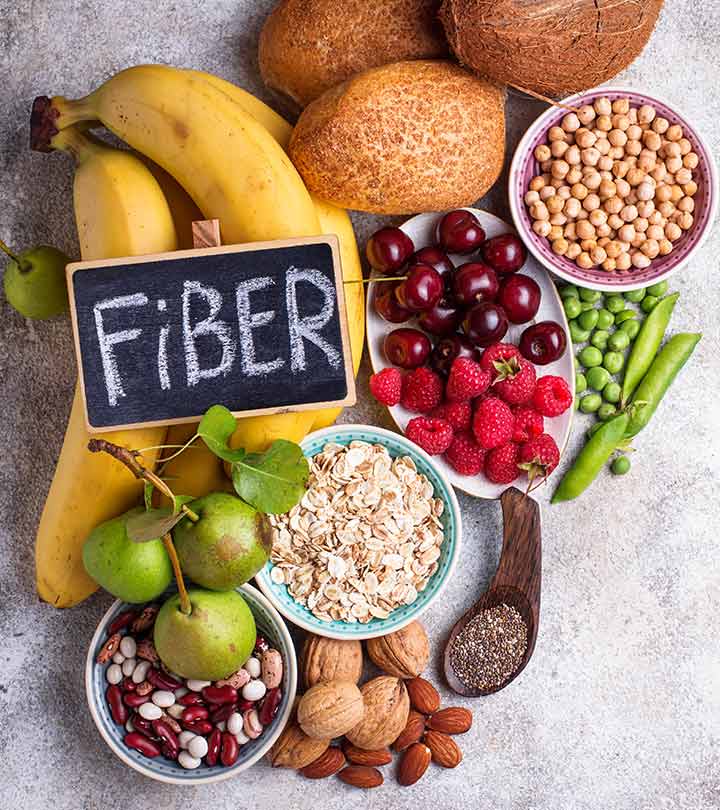
Fiber-Rich Foods for Gut Health: Nourishing Your Body from Within
In today’s fast-paced world, maintaining good gut health is more important than ever. Our digestive system plays a crucial role in overall well-being, affecting everything from our immune system to mental health. One key element in nurturing a healthy gut is consuming an adequate amount of fiber-rich foods.
What is Fiber and Why is it Important?
Fiber is a type of carbohydrate found in plant-based foods that our bodies cannot digest fully. It passes through the digestive system relatively intact, adding bulk to our stool and aiding regular bowel movements. There are two major types of dietary fiber: soluble and insoluble.
Soluble fiber dissolves in water and forms a gel-like substance during digestion. This type of fiber helps soften stools, regulate blood sugar levels, lower cholesterol levels, and promote the growth of beneficial bacteria in the gut.
Insoluble fiber does not dissolve in water but instead adds bulk to the stool, making it easier to pass through the intestines. It promotes regularity and prevents constipation by speeding up the movement of food through the digestive tract.
Both types of fiber are essential for maintaining optimal gut health and should be incorporated into our daily diet.
The Benefits of Fiber for Gut Health
1. Improved Digestion: Consuming enough fiber promotes regular bowel movements by adding bulk to your stool. This helps prevent constipation while ensuring that waste products move smoothly through your digestive system.
2. Weight Management: High-fiber foods have been shown to increase satiety, keeping you feeling fuller for longer periods after meals. This can help prevent overeating or snacking on unhealthy options throughout the day, assisting with weight management goals.
3. Blood Sugar Control: Soluble fibers slow down digestion and absorption processes within your body, leading to slower release of glucose into the bloodstream after meals. This can help stabilize blood sugar levels which is particularly beneficial for individuals with diabetes or those at risk of developing it.
4. Lower Cholesterol Levels: Soluble fiber binds to cholesterol in the intestines, preventing its absorption into the bloodstream. Regular consumption of soluble fiber-rich foods can help lower LDL (bad) cholesterol levels and reduce the risk of heart disease.
5. Enhanced Gut Microbiota: The gut is home to trillions of bacteria that play a crucial role in our overall health. Fiber acts as a prebiotic, providing nourishment for these beneficial bacteria and promoting their growth. A diverse and healthy gut microbiome has been linked to improved digestion, enhanced immune function, and even mental well-being.
Fiber-Rich Foods To Include in Your Diet
1. Whole Grains: Opt for whole grains such as oats, quinoa, brown rice, whole wheat bread or pasta instead of refined grains. These contain higher amounts of fiber due to their intact bran and germ layers.
2. Fruits: Enjoy a variety of fruits like berries, apples, pears, oranges which are excellent sources of fiber when consumed with their skin intact.
3. Vegetables: Incorporate plenty of vegetables into your meals such as broccoli, Brussels sprouts, carrots, kale and spinach – all packed with fiber.
4. Legumes: Beans (black beans), lentils (red lentils), chickpeas (garbanzo beans), and peas provide both soluble and insoluble fibers along with protein making them an excellent addition to any diet.
5. Nuts & Seeds: Almonds, chia seeds flaxseeds contain significant amounts of dietary fiber along with healthy fats which boost satiety while keeping the digestive system running smoothly.
6.Water intake is important when consuming high-fiber foods since water helps move them through the digestive tract more easily.
Tips for Increasing Fiber Intake
– Gradually increase your fiber intake over time to allow your body to adjust and minimize potential digestive discomfort.
– Aim for a varied diet, incorporating different sources of fiber-rich foods into each meal.
– Experiment with new recipes that feature whole grains, legumes, and vegetables as the main ingredients.
– Snack on fresh fruits or raw vegetables instead of processed snacks to boost your fiber intake throughout the day.
Potential Side Effects
While increasing your fiber intake is generally safe and beneficial, it’s important to note that some individuals may experience temporary side effects such as bloating, gas, or abdominal discomfort. To ease these symptoms:
– Increase water intake to help soften stools and promote easier passage through the digestive system.
– Start with smaller portions of high-fiber foods and gradually increase serving sizes over time.
– Cook or steam vegetables rather than consuming them raw if they cause excessive gas.
In conclusion, incorporating an adequate amount of fiber-rich foods into our daily diet is essential for maintaining good gut health. By nourishing our bodies from within with a variety of fruits, vegetables, whole grains, legumes, nuts and seeds – we can support proper digestion while reaping numerous health benefits. So why wait? Start making conscious choices today by including more fiber in your meals and witness the positive impact on your overall well-being.

Leave a Reply