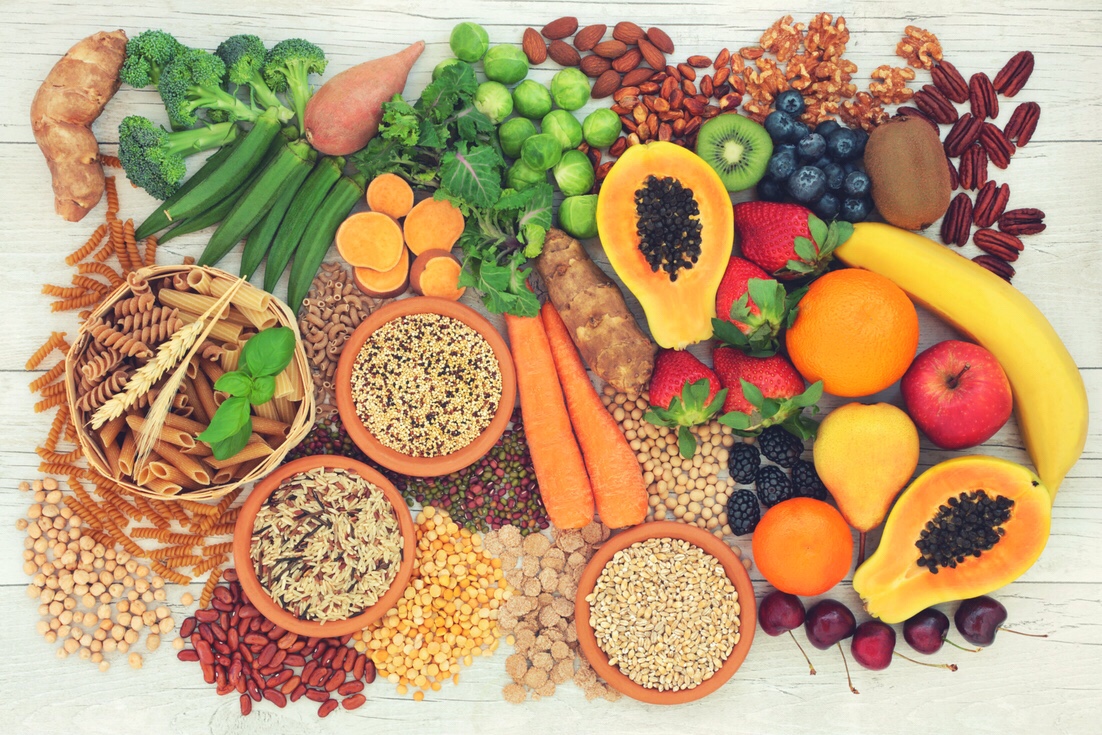
Fiber: The Unsung Hero of a Healthy Diet
When it comes to healthy eating, we often focus on macronutrients like carbohydrates, proteins, and fats. While these are undoubtedly important for our overall well-being, there is one crucial component that tends to get overlooked – fiber. Fiber plays a vital role in maintaining good health and should be an essential part of everyone’s diet.
What is Fiber?
Fiber is a type of carbohydrate found in plant-based foods that cannot be digested by the human body. Unlike other carbohydrates, fiber passes through our digestive system relatively intact. This unique characteristic gives fiber its many health benefits.
There are two main types of dietary fiber: soluble and insoluble fiber. Soluble fiber dissolves in water and forms a gel-like substance in the intestines. It can help lower cholesterol levels and stabilize blood sugar levels. Sources of soluble fiber include oatmeal, beans, lentils, fruits (such as apples and oranges), vegetables (like carrots and broccoli), chia seeds, flaxseeds, and psyllium husk.
On the other hand, insoluble fiber does not dissolve in water but adds bulk to the stool to facilitate regular bowel movements. It helps prevent constipation by speeding up the movement of waste through the digestive tract. Good sources of insoluble fiber include whole grains (such as brown rice and whole wheat bread), nuts, seeds (like sunflower seeds), bran cereal or muffins made from bran flour.
Health Benefits of Fiber
1. Digestive Health
One significant benefit of consuming adequate amounts of dietary fiber is improved digestive health. Insoluble fibers add bulk to your stool while also softening it, making it easier for waste products to move through your gastrointestinal tract efficiently. This prevents constipation and promotes regularity.
Moreover, high-fiber diets have been linked with a reduced risk of developing various gastrointestinal conditions such as diverticulosis, hemorrhoids, and even colon cancer. By keeping your digestive system healthy and regular, fiber promotes optimal gut function.
2. Weight Management
Fiber-rich foods are often low in calories but high in volume, which can help you feel full and satisfied without consuming excessive calories. Including fiber in your meals can suppress appetite and prevent overeating, making it an excellent tool for weight management.
Additionally, soluble fiber slows down the digestion process by delaying stomach emptying. This helps regulate blood sugar levels and prevents rapid spikes that may lead to cravings or hunger pangs shortly after a meal.
3. Heart Health
One of the most well-known benefits of dietary fiber is its positive impact on heart health. Soluble fibers have been shown to lower LDL (bad) cholesterol levels by binding to cholesterol particles in the digestive tract and preventing their absorption into the bloodstream.
Reducing LDL cholesterol levels is crucial because it plays a significant role in the development of heart disease. High-fiber diets have also been associated with a decreased risk of hypertension (high blood pressure), another risk factor for cardiovascular problems.
4. Blood Sugar Control
Fiber-rich foods can help stabilize blood sugar levels due to their slow digestion rate. Soluble fibers form a gel-like substance that slows down carbohydrate absorption from the intestines into the bloodstream.
By slowing down this process, fiber prevents sudden spikes in blood glucose levels after meals, promoting more stable energy throughout the day. For individuals with diabetes or pre-diabetes, incorporating high-fiber foods into their diet can be particularly beneficial for managing blood sugar control.
5. Improved Gut Microbiome
Our gut is home to trillions of bacteria collectively known as our gut microbiome – an incredibly diverse ecosystem that influences various aspects of our health, including digestion, immunity, metabolism, and even mental well-being.
Dietary fiber acts as fuel for these beneficial gut bacteria while promoting a healthy balance between different species. A well-nourished gut microbiome can enhance nutrient absorption, strengthen the immune system, and reduce the risk of certain diseases such as inflammatory bowel disease.
How to Incorporate More Fiber into Your Diet
Now that we understand the importance of fiber in our diet let’s explore some practical ways to increase our fiber intake:
1. Choose Whole Grains: Opt for whole grain versions of bread, pasta, rice, and cereals instead of refined grains. Look for labels that mention “100% whole grain” or “whole wheat.”
2. Load Up on Fruits and Vegetables: Make it a habit to include a variety of fruits and vegetables in your meals. Aim for at least five servings per day by incorporating them into salads, smoothies, stir-fries, or simply enjoying them as snacks.
3. Legumes: Include beans (kidney beans, black beans), lentils (red lentils, green lentils), chickpeas (garbanzo beans), and other legumes in your recipes. They are not only excellent sources of fiber but also provide plant-based protein.
4. Nuts and Seeds: Sprinkle nuts like almonds or walnuts onto your breakfast cereal or yogurt for an added crunch and boost of fiber. Chia seeds and flaxseeds are also excellent sources of soluble fiber – sprinkle them over oatmeal or add them to smoothies.
5. Snack Smartly: Instead of reaching for processed snacks like chips or cookies when hunger strikes between meals, opt for healthier options such as fresh fruit slices with nut butter or raw vegetables with hummus dip.
6. Supplement if Needed: If you struggle to meet your daily fiber requirements through food alone, consider adding a natural fiber supplement like psyllium husk powder to your routine after consulting with a healthcare professional.
Conclusion
Fiber is an essential component that often goes unnoticed when discussing healthy eating habits; however; its benefits cannot be overstated. From promoting digestive health to aiding in weight management, reducing the risk of heart disease, and stabilizing blood sugar levels, fiber plays a crucial role in our overall well-being.
By incorporating more fiber-rich foods into our daily diet and making conscious choices about the types of carbohydrates we consume, we can harness the power of fiber and reap its numerous health rewards. So let’s give this unsung hero the recognition it deserves and make fiber a priority in our journey towards optimal health.

Leave a Reply