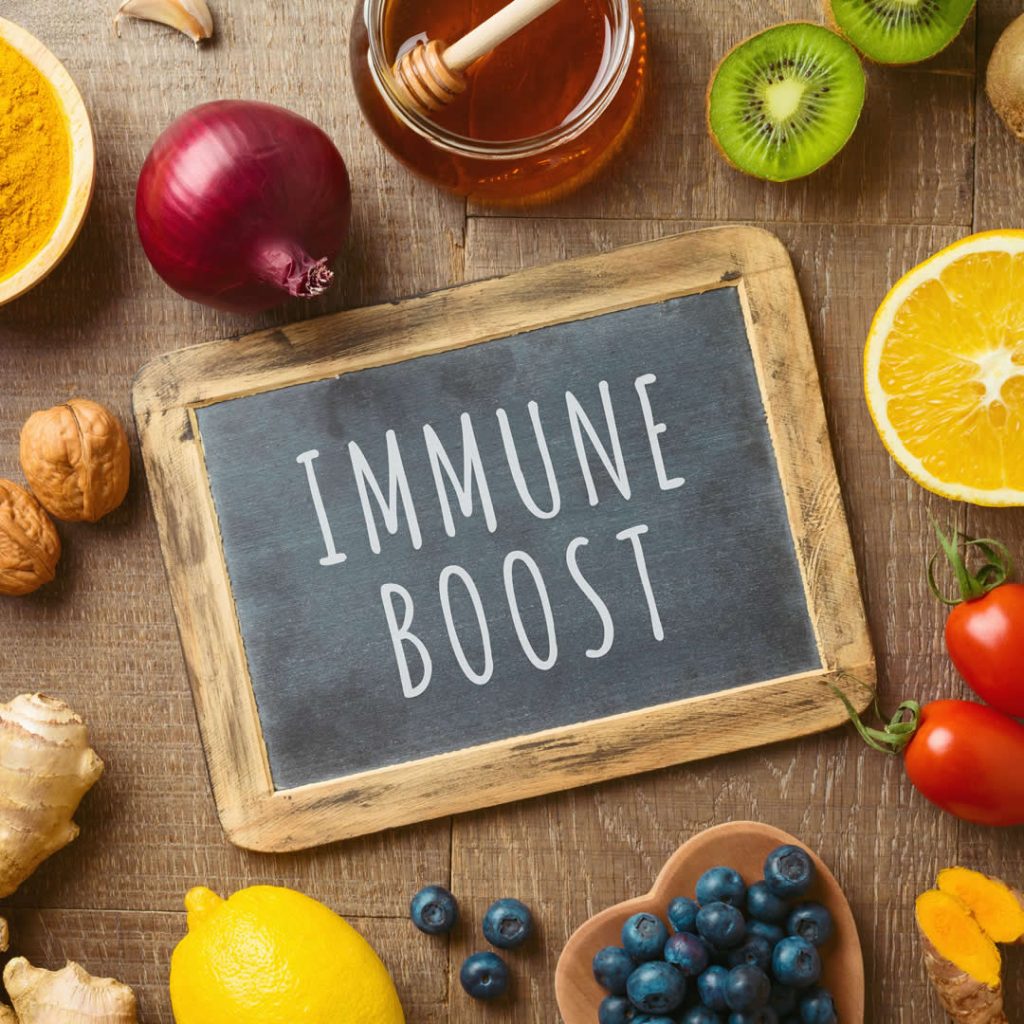
The connection between gut health and the immune system is a topic that has gained significant attention in recent years. Research has shown that maintaining a healthy gut can have a profound impact on the overall functioning of our immune system. In fact, about 70% of our immune cells are located in the gut, highlighting the importance of this relationship.
The gut microbiome, which consists of trillions of bacteria, fungi, and other microorganisms residing in our gastrointestinal tract, plays a crucial role in supporting our immune system. These microbes help to digest food, produce essential nutrients and vitamins like vitamin K and certain B vitamins, as well as regulate inflammation.
One way in which the gut microbiome influences immunity is through its interaction with specialized cells called T-cells. T-cells are responsible for identifying and fighting off harmful pathogens or foreign substances that enter our body. The presence of certain beneficial bacteria in the gut helps activate these T-cells effectively.
Moreover, a balanced gut microbiome helps maintain a state called immune tolerance. This means that it prevents unnecessary inflammatory responses against harmless substances such as food particles or commensal bacteria present in the digestive tract. When this balance is disrupted – often due to poor diet or excessive use of antibiotics – it can lead to chronic inflammation and an overactive immune response.
To support your gut health and boost your immune system simultaneously, here are some key strategies:
1. Include Probiotic-Rich Foods: Probiotics are live bacteria that provide numerous health benefits when consumed regularly. Foods like yogurt (with live cultures), kefir, sauerkraut, kimchi, tempeh (fermented soybean), kombucha (fermented tea), and miso contain probiotics that can help replenish beneficial bacteria in your gut.
2. Eat Prebiotic Foods: Prebiotics act as fuel for probiotics by promoting their growth and activity within the intestines. Foods rich in prebiotic fibers include onions, garlic, leeks, asparagus, bananas, oats, and flaxseeds. Including these foods in your diet can help nourish the beneficial bacteria in your gut.
3. Increase Fiber Intake: A high-fiber diet not only supports digestive health but also promotes a diverse and healthy gut microbiome. Whole grains like brown rice and quinoa, legumes such as lentils and chickpeas, fruits like berries and apples, as well as vegetables like broccoli and Brussels sprouts are excellent sources of fiber.
4. Minimize Processed Foods: Highly processed foods often lack fiber and contain additives that can disrupt the balance of the gut microbiome. These foods are typically high in unhealthy fats, added sugars, artificial sweeteners, and preservatives. Opting for whole foods instead will provide essential nutrients while supporting a healthier gut environment.
5. Limit Antibiotic Use: While antibiotics are necessary to treat bacterial infections properly, their overuse can harm our gut health by killing off both harmful and beneficial bacteria indiscriminately. If you require antibiotics for an infection or illness prescribed by your healthcare provider, ensure you follow their instructions carefully to minimize any potential negative effects on your gut microbiota.
6. Manage Stress Levels: Chronic stress negatively affects both our immune system’s functioning and our gut health. High-stress levels can disrupt the balance of microbes in the gastrointestinal tract leading to gastrointestinal issues such as irritable bowel syndrome (IBS). Engaging in stress-reducing activities like exercise or mindfulness techniques may be helpful in maintaining a healthy gut-immune connection.
7. Get Enough Sleep: Sleep is crucial for overall wellness including immune function and digestion. Studies have shown that poor sleep quality or insufficient sleep duration can alter the composition of the gut microbiome leading to imbalances that affect immune regulation.
8. Stay Hydrated: Drinking enough water throughout the day helps maintain proper digestion and prevents constipation. It also aids in the transport of nutrients to cells and the elimination of waste products from the body, contributing to a healthy gut environment.
9. Consider Probiotic Supplements: If you have specific gut health concerns or are unable to consume enough probiotic-rich foods, supplements can be an option. Consult with a healthcare professional to determine which probiotic strains may be beneficial for your individual needs.
By prioritizing our gut health through these strategies, we can support our immune system’s ability to defend against pathogens effectively while reducing the risk of chronic inflammation and autoimmune conditions. Remember that maintaining a healthy lifestyle overall, including regular exercise, managing stress levels, and avoiding excessive alcohol consumption or smoking, is essential for optimal immune function as well.
Take care of your gut, nourish your microbiome, and enjoy the benefits of a robust immune system!

Leave a Reply