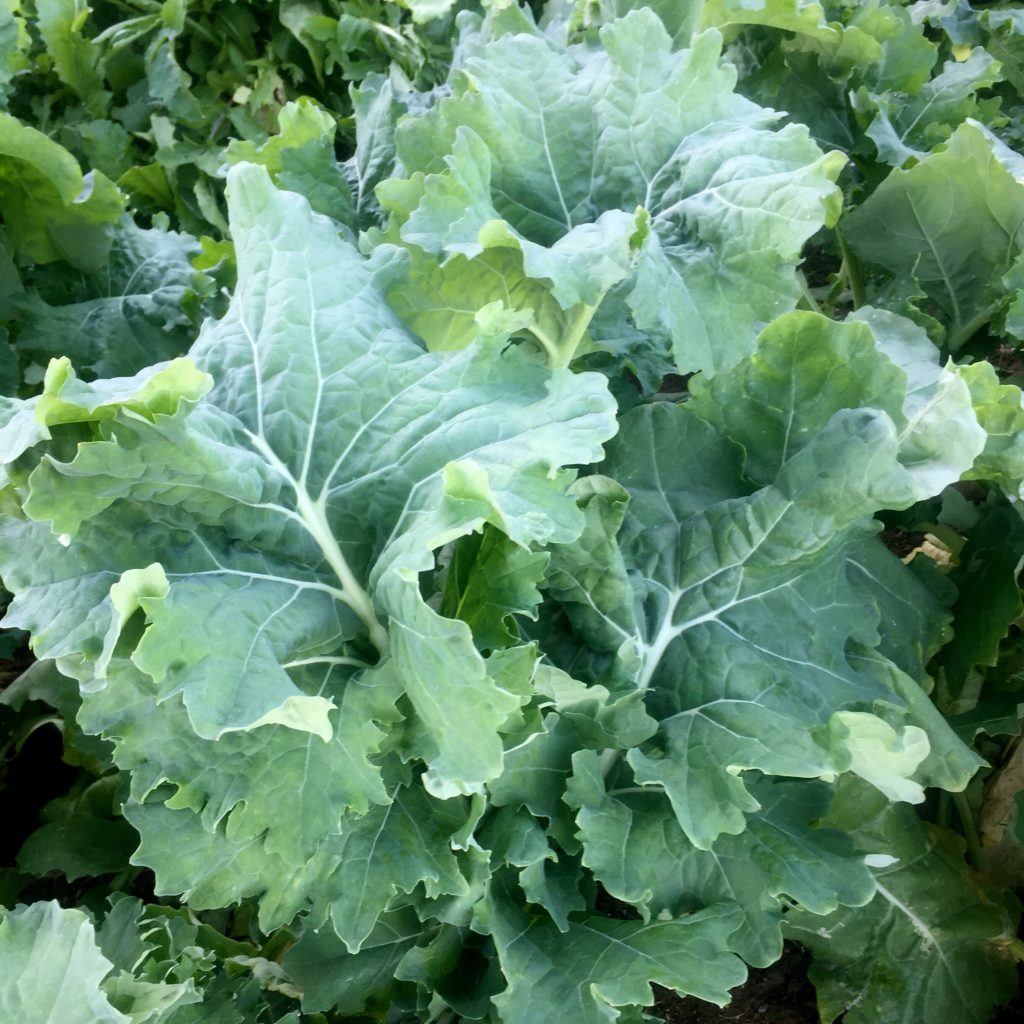
When it comes to the world of leafy greens, kale has become a superstar in recent years. Not only is it packed with nutrients, but its versatility makes it a staple ingredient for health-conscious individuals. From salads and smoothies to stir-fries and soups, there are countless ways to incorporate kale into your diet. However, what many people may not realize is that there are different varieties of kale available in the market. Each variety brings its own unique flavor profile and nutritional benefits. In this post, we will compare prices of different kale varieties so that you can make an informed decision when purchasing this superfood.
1. Curly Kale:
Curly kale is perhaps the most common type of kale found in grocery stores. It has dark green leaves with ruffled edges and a slightly bitter taste. This variety tends to be more affordable compared to others due to its wide availability and popularity among consumers.
2. Lacinato Kale:
Also known as dinosaur kale or Tuscan kale, lacinato kale features long, narrow leaves with a deep blue-green color. Its flavor is earthy and slightly sweeter than curly kale. Lacinato kale often comes at a slightly higher price point than curly kale due to its growing popularity among health enthusiasts.
3. Red Russian Kale:
Red Russian kale stands out from other varieties due to its vibrant red-purple stems and flat serrated leaves that have an oak-like appearance. This variety has a mild flavor with hints of sweetness and tenderness similar to spinach leaves. Due to its unique appearance and taste, Red Russian kale typically falls into the mid-price range.
4. Siberian Kale:
Siberian Kale shares similarities with both curly and Red Russian varieties but has wider frilly-edged leaves that are less rigid than curly kales’. With tender texture and milder taste compared to other types, Siberian Kale often offers good value for money.
5.Tuscan Black Kale:
Tuscan Black kale, also known as black cabbage, is a variety with dark green leaves and an almost black hue. It has a rich, earthy flavor and a slightly sweeter taste than curly kale. This specialty variety tends to be higher in price due to its unique color and robust flavor profile.
6. Chinese Kale (Chinese Broccoli):
Chinese kale, also referred to as Chinese broccoli or gai lan, is different from the traditional kale varieties mentioned above. It belongs to the Brassica family but has longer stems with small florets on top rather than tightly packed leaves. Chinese kale is commonly used in Asian cuisine and can often be found at specialty grocery stores or ethnic markets.
Now that we have explored some of the popular kale varieties let’s dive into comparing their prices:
1. Supermarkets:
Most supermarkets carry curly kale as it is widely available throughout the year. You can usually find it priced between $2-$3 per bunch, depending on your location and whether it’s organic or conventionally grown.
Lacinato kale may come in slightly higher at around $3-$4 per bunch due to its growing popularity among health-conscious consumers.
Specialty varieties like Red Russian kale or Tuscan black kale might be priced between $4-$5 per bunch due to their unique flavors and appearances.
2. Farmers Markets:
Farmers markets are excellent sources for fresh produce including various types of kale at competitive prices while supporting local farmers directly. The prices may vary based on seasonality and location but generally fall within similar ranges compared to supermarkets.
Curly kale will typically range from $1-$3 per bunch depending on factors such as organic certification or farm practices.
Lacinato, Red Russian, Siberian kales can range from $2-$4 per bunch at farmers’ markets considering their popularity among health-conscious shoppers who value locally sourced produce.
Tuscan Black Kale may be priced slightly higher ranging from $3-$5 per bunch due to its specialty status.
3. Organic Stores:
Organic stores tend to carry a wide range of kale varieties, both conventional and organic. Prices in these stores can be higher due to the premium associated with organic certification and sustainable farming practices.
Curly kale may cost around $3-$4 per bunch, while lacinato kale might be priced between $4-$5 per bunch for organic options.
Specialty varieties like Red Russian kale or Tuscan black kale may range from $5-$7 per bunch at organic stores due to their unique qualities and demand among health-conscious consumers.
It’s worth noting that prices can vary based on location, availability, seasonality, and your choice between conventionally grown or organically certified produce. Additionally, buying pre-packaged bags of pre-washed kale may come at a slightly higher price point compared to loose bunches of fresh kale leaves.
In conclusion, when comparing prices of different kale varieties, it is essential to consider factors such as availability, popularity, seasonality, and whether you prefer conventionally grown or organically certified products. Whether you opt for curly kale for its affordability or splurge on specialty varieties like Tuscan black kale for their unique flavors and appearance is entirely up to your personal preferences and budget. Regardless of the variety you choose, incorporating any type of kale into your diet will undoubtedly provide you with an abundance of health benefits.

Leave a Reply