Collagen and Skin Elasticity: The Key to a Youthful Glow
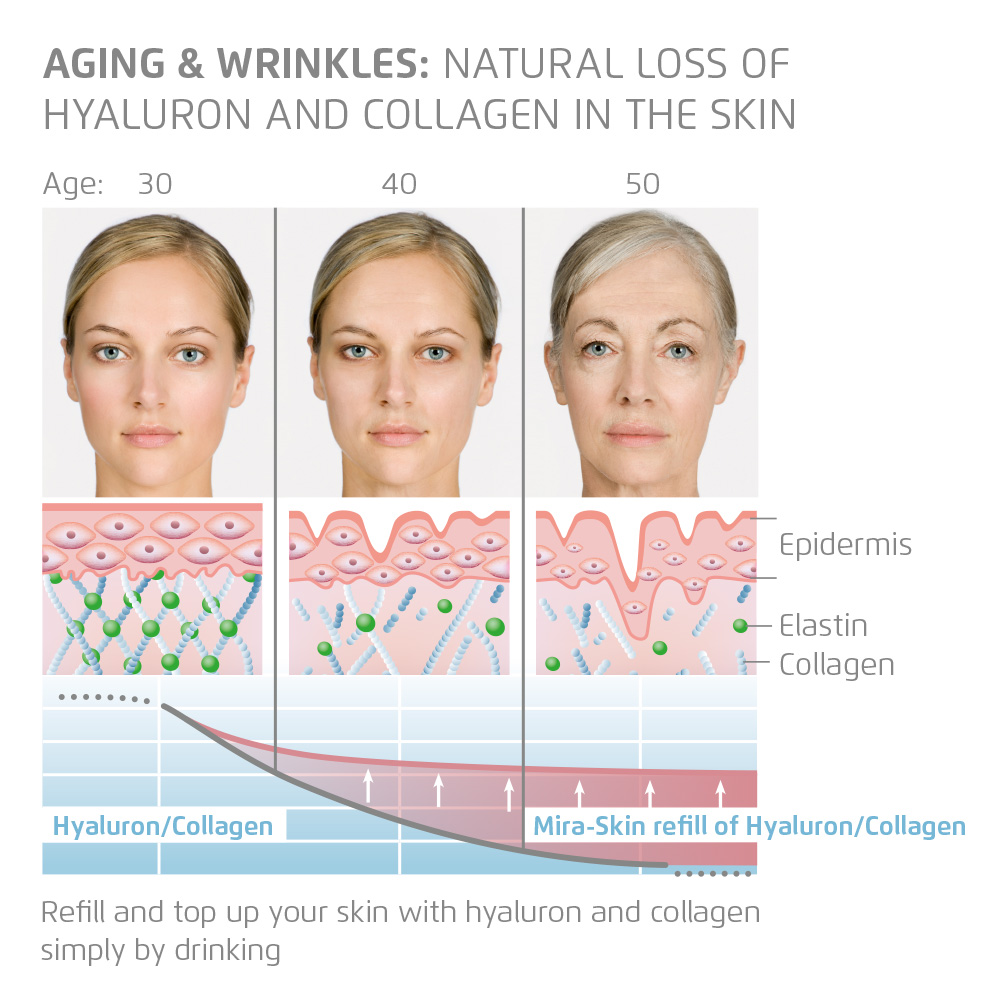
As we age, one of the most noticeable changes in our skin is the loss of elasticity. Our once firm and supple skin starts to sag, wrinkles become more pronounced, and fine lines appear. While this is a natural part of the aging process, there are ways to slow down and even reverse this decline in skin elasticity. One such way is by incorporating collagen into our diet.
Collagen is a protein that plays a vital role in maintaining the structure and strength of our skin. It acts as a glue that holds everything together, providing support and elasticity. Unfortunately, as we age, our body’s ability to produce collagen decreases significantly. This leads to visible signs of aging like sagging skin and wrinkles.
By consuming collagen-rich foods or taking collagen supplements, we can provide our bodies with the necessary building blocks for healthy skin. Collagen supplements are typically derived from animal sources such as fish scales or bovine hides. They come in various forms like powders, capsules, or liquids that can be easily incorporated into your daily routine.
Research has shown that supplementing with collagen can improve skin elasticity and hydration levels. A study published in the Journal of Medical Nutrition & Nutraceuticals found that women who took collagen peptide supplements for eight weeks experienced significant improvements in their overall skin appearance compared to those who didn’t take any supplements.
Furthermore, another study published in Skin Pharmacology and Physiology demonstrated that oral supplementation with specific types of collagen peptides increased dermal thickness which contributed to improved skin structure and reduced wrinkle formation.
In addition to taking collagen supplements directly, there are also several foods you can incorporate into your diet that naturally boost your body’s production of this essential protein. Foods rich in vitamin C such as citrus fruits, berries, bell peppers, and leafy greens help stimulate collagen synthesis. Similarly, foods containing amino acids like proline (found in egg whites, dairy products, and cabbage) and glycine (found in pork skin, gelatin, and bone broth) are crucial for collagen formation.
It’s worth noting that while collagen supplements can be beneficial for improving skin elasticity, they work best when combined with a healthy lifestyle. Regular exercise, proper hydration, a balanced diet rich in vitamins and minerals, and adequate sleep all play important roles in maintaining youthful-looking skin.
In conclusion, collagen is the key to preserving skin elasticity and achieving a radiant complexion as we age. Whether through collagen-rich foods or supplements, incorporating this essential protein into our daily routine can help combat the natural decline in collagen production. So why not give your skin the support it needs by embracing a collagen-focused approach to healthy eating? Your glowing complexion will thank you!

Leave a Reply