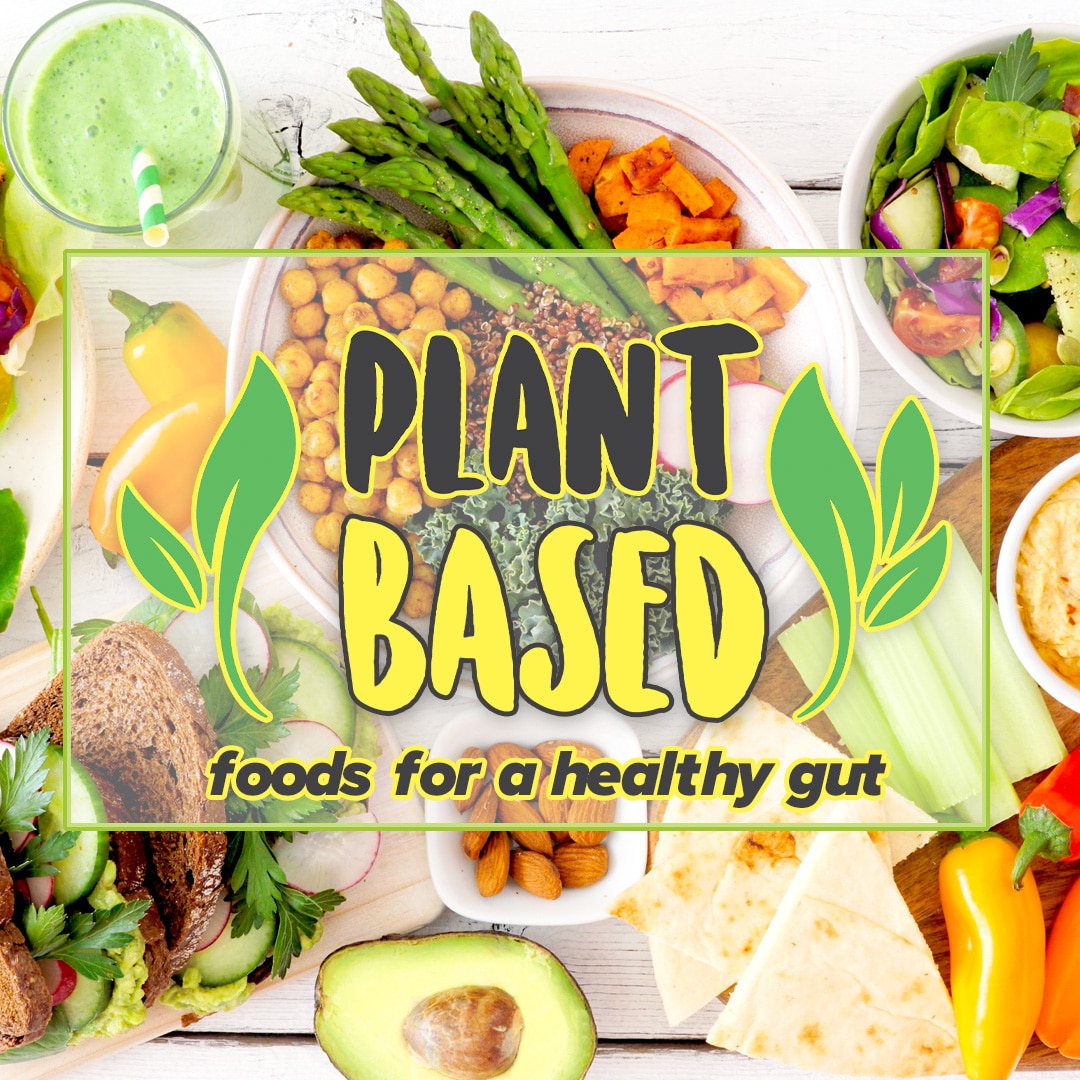
The relationship between gut health and a plant-focused diet
In recent years, there has been a growing interest in the connection between our gut health and overall well-being. Research has shown that maintaining a healthy gut microbiome is essential for optimal digestion, immune function, and even mental health. One way to nurture our gut health is by adopting a plant-focused diet.
A plant-focused or plant-based diet emphasizes the consumption of whole foods derived from plants such as fruits, vegetables, legumes, whole grains, nuts, and seeds. This dietary approach offers numerous benefits for our gut health due to its high fiber content and diverse array of nutrients.
Fiber plays a crucial role in maintaining good gut health. It acts as food for the beneficial bacteria residing in our intestines, promoting their growth and diversity. A lack of fiber can lead to an imbalance in the gut microbiota composition, which may contribute to various digestive disorders such as constipation or irritable bowel syndrome (IBS). By incorporating ample amounts of fiber-rich foods into your diet through plants like fruits, vegetables, and whole grains – you can support the growth of beneficial bacteria in your gut.
Additionally, plants are rich sources of prebiotics – non-digestible fibers that nourish the probiotics or beneficial bacteria already present in our digestive system. Prebiotics help stimulate the growth and activity of these friendly microbes while inhibiting harmful bacteria’s proliferation.
Furthermore, plant-based diets tend to be lower in saturated fats found predominantly in animal products like meat and dairy. High intake of saturated fats has been associated with an increased risk of chronic diseases like heart disease and obesity. These conditions have also been linked to an altered gut microbiome composition characterized by reduced microbial diversity.
On top of that, certain bioactive compounds found abundantly in many plant foods have been shown to exert positive effects on our intestinal flora. For instance:
1. Polyphenols: Found in colorful fruits, vegetables, and herbs, polyphenols possess antioxidant and anti-inflammatory properties that can support a healthy gut environment.
2. Sulfur compounds: Garlic and onions are rich in sulfur-containing compounds that have been reported to enhance the growth of beneficial bacteria while inhibiting the growth of harmful ones.
3. Resistant starch: Legumes, whole grains, and green bananas contain resistant starch, which resists digestion in the small intestine but serves as fuel for beneficial bacteria in the colon.
4. Omega-3 fatty acids: Plant-based sources like flaxseeds, chia seeds, and walnuts provide omega-3 fatty acids that help reduce inflammation in the gut.
It’s important to note that transitioning to a plant-focused diet should be done gradually and with careful consideration of individual nutrient needs. While a well-planned plant-based diet can provide all necessary nutrients for optimal health, certain nutrients may require special attention.
One common concern is obtaining sufficient protein from plant sources alone. However, by including a variety of plant protein sources such as legumes (beans, lentils), tofu or tempeh (soy products), quinoa, nuts/seeds or their butters (almonds, peanuts), ample protein intake can be achieved easily.
Another essential nutrient often associated with animal products is vitamin B12. Vitamin B12 is primarily found naturally in animal-derived foods; therefore vegans may need to supplement or consume fortified foods such as non-dairy milk alternatives or breakfast cereals fortified with B12.
Iron absorption from plants can also be less efficient than from animal sources due to its non-heme form. Pairing iron-rich foods with vitamin C-rich foods like citrus fruits enhances iron absorption significantly.
Calcium requirements can be met through consuming calcium-fortified plant milks/tofu products as well as incorporating leafy greens like kale or broccoli into one’s diet regularly.
To optimize nutrient intake on a plant-based diet, it is recommended to consult with a registered dietitian or nutritionist who can provide personalized guidance and ensure all nutrient needs are met.
In conclusion, adopting a plant-focused diet can have significant positive impacts on our gut health. Plant foods rich in fiber, prebiotics, and bioactive compounds promote the growth of beneficial gut bacteria while reducing the risk of chronic diseases associated with an imbalanced gut microbiome. By incorporating a diverse range of fruits, vegetables, whole grains, legumes, nuts, and seeds into our daily meals – we can nourish our bodies from within and enjoy the many benefits that come along with it.

Leave a Reply