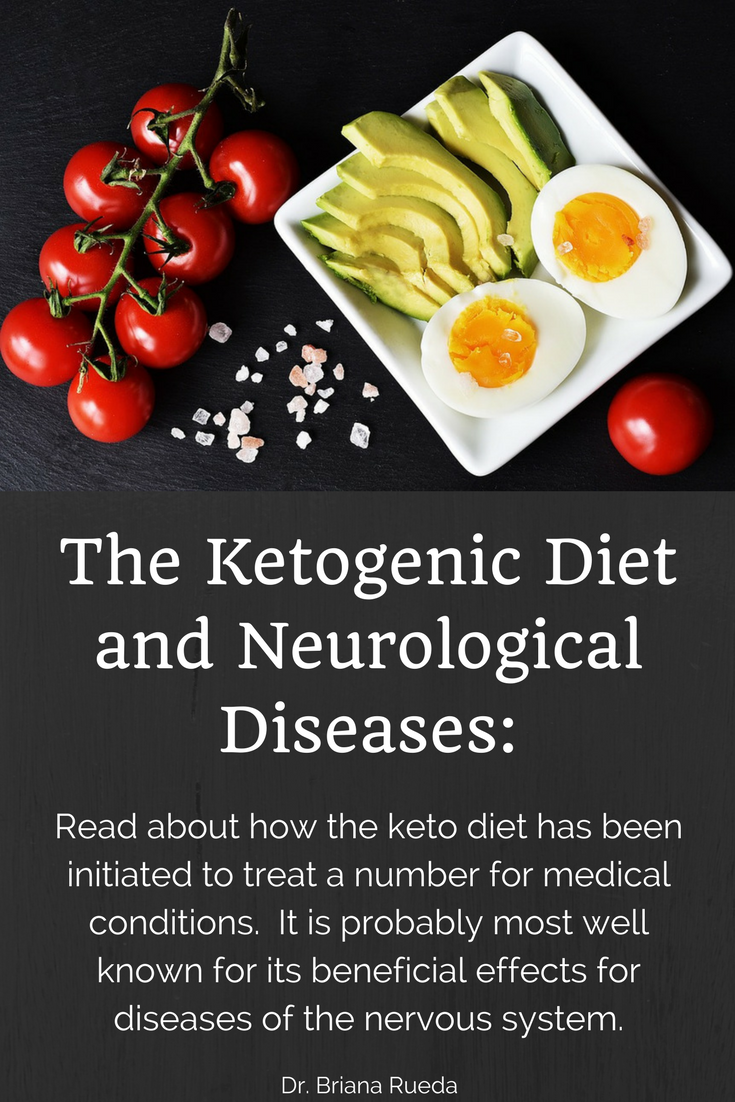
The Ketogenic Diet and Its Impact on Autoimmune Conditions
Introduction:
In recent years, the ketogenic diet has gained significant attention for its potential health benefits. Originally designed to treat epilepsy, this low-carb, high-fat diet has been found to have positive effects on weight loss, blood sugar control, and even brain function. But what about its impact on autoimmune conditions? Can the ketogenic diet help those with diseases like rheumatoid arthritis, multiple sclerosis, or lupus find relief? In this article, we will delve into the relationship between the ketogenic diet and autoimmune conditions to understand how it might provide a ray of hope for individuals suffering from these chronic illnesses.
Understanding Autoimmune Conditions:
Autoimmune conditions occur when the immune system mistakenly attacks healthy cells in the body. The exact causes of these conditions are still not fully understood but are believed to be influenced by a combination of genetic factors and environmental triggers. Common autoimmune diseases include rheumatoid arthritis (RA), multiple sclerosis (MS), systemic lupus erythematosus (SLE), celiac disease, and type 1 diabetes.
Conventional Treatment Options:
Current treatment options for autoimmune conditions often involve managing symptoms with medication that suppresses immune response or reduces inflammation. While these medications can provide relief for some patients, they do not address the underlying cause of the disease or offer a cure. Additionally, long-term use of these drugs may lead to adverse side effects.
The Role of Nutrition in Autoimmune Conditions:
Emerging research suggests that nutrition plays a crucial role in managing autoimmune conditions. Certain dietary changes can help reduce inflammation levels in the body and alleviate symptoms associated with various diseases. This is where the ketogenic diet enters the picture.
What is a Ketogenic Diet?
A ketogenic diet is characterized by an extremely low carbohydrate intake (typically below 50 grams per day) coupled with moderate protein consumption and high fat intake. By significantly reducing carbohydrates, your body goes into a state of ketosis, where it starts burning fat for fuel instead of glucose.
Benefits of a Ketogenic Diet for Autoimmune Conditions:
1. Reduced Inflammation: One of the key benefits of a ketogenic diet is its ability to reduce inflammation in the body. Chronic inflammation plays a central role in autoimmune diseases, leading to tissue damage and worsening symptoms. By minimizing carbohydrate intake, the ketogenic diet helps lower inflammatory markers and may provide relief from conditions like rheumatoid arthritis and lupus.
2. Weight Loss: Many individuals with autoimmune conditions struggle with weight gain as a result of their disease or medication side effects. Excess weight can exacerbate symptoms and put additional stress on joints and organs. The ketogenic diet has been shown to promote weight loss by encouraging the body to burn stored fat for energy, potentially alleviating some of the strain on affected areas.
3. Blood Sugar Control: Autoimmune conditions are often associated with insulin resistance or impaired glucose metabolism, which can lead to type 2 diabetes or worsen existing diabetes symptoms. The ketogenic diet’s low-carb nature helps regulate blood sugar levels by reducing reliance on glucose as an energy source.
4. Improved Gut Health: Research suggests that there is a strong connection between gut health and autoimmune diseases. The high-fat content in the ketogenic diet promotes good gut bacteria growth while reducing harmful bacteria populations, potentially improving overall digestive health.
5. Enhanced Brain Function: Autoimmune conditions such as multiple sclerosis have neurological implications that affect cognitive function and mental well-being. Studies have indicated that ketones produced during ketosis offer neuroprotective benefits by providing an alternative energy source for brain cells. This could potentially help slow down disease progression and improve brain function in individuals with autoimmune conditions affecting the nervous system.
Potential Drawbacks:
While there are potential benefits to adopting a ketogenic diet for managing autoimmune conditions, it’s essential to consider certain drawbacks:
1. Nutrient Deficiencies: Severely restricting carbohydrates can limit your intake of essential nutrients found in fruits, vegetables, and whole grains. It’s crucial to work with a healthcare professional or registered dietitian to ensure you meet all your nutritional needs while following a ketogenic diet.
2. Sustainability: The ketogenic diet requires significant dietary changes and can be challenging to maintain long-term. Compliance might be difficult for some individuals due to the restrictions it imposes on certain food groups.
3. Individual Variability: Every person’s body is unique, and what works for one individual may not work for another. It’s important to monitor how your body responds to the ketogenic diet and make adjustments accordingly.
Conclusion:
While research on the impact of the ketogenic diet specifically on autoimmune conditions is still limited, there are promising indications that it could provide relief by reducing inflammation, promoting weight loss, controlling blood sugar levels, improving gut health, and enhancing brain function. However, as with any dietary intervention, it is crucial to consult with a healthcare professional before embarking on this journey. They can help assess if the ketogenic diet is suitable for you considering your specific condition and medical history. Additionally, they can provide guidance in maintaining a well-balanced approach that ensures all nutritional needs are met while managing autoimmune symptoms effectively.

Leave a Reply