Vegetarian Low-Carb Options: A Guide to Healthy Eating
Q: Can you follow a low-carb diet while being vegetarian?
A: Absolutely! Many people believe that following a low-carb diet means consuming large amounts of meat and fish. However, there are plenty of delicious and nutritious vegetarian options available for those who want to reduce their carbohydrate intake. In this article, we will explore some fantastic vegetarian low-carb choices that will help you maintain a healthy eating routine.
Q: What are the best sources of protein for vegetarians on a low-carb diet?
A: While animal products such as eggs and dairy contain high-quality protein, there are several plant-based alternatives suitable for vegetarians. Legumes like lentils, chickpeas, and black beans are excellent sources of protein and fiber with relatively fewer carbs. Tofu is another great option; it’s versatile and can be incorporated into various dishes such as stir-fries or salads. Additionally, tempeh, edamame, and seitan provide substantial amounts of protein while being low in carbohydrates.
Q: Are vegetables an important part of a low-carb vegetarian diet?
A: Yes! Vegetables should form the foundation of any healthy eating plan, especially when following a low-carb vegetarian lifestyle. Non-starchy vegetables like leafy greens (spinach, kale), cruciferous veggies (broccoli, cauliflower), bell peppers, zucchini, mushrooms, and cucumbers are incredibly nutrient-dense while being very low in carbs. They also provide essential vitamins,minerals,and antioxidants necessary for overall well-being.
Q: What about healthy fats on a vegetarian low-carb diet?
A: Incorporating healthy fats into your meals is crucial when following a vegetarian low-carb diet. Avocados are an excellent source of monounsaturated fats along with vital nutrients like potassium and vitamin K. Nuts (almonds,walnuts) and seeds (chia, flaxseeds) are packed with healthy fats and protein while being relatively low in carbs. Olive oil, coconut oil, and ghee can be used for cooking or as dressings to add flavor and healthy fats to your dishes.
Q: Can you provide some meal ideas that are both vegetarian and low-carb?
A: Of course! Here are a few delicious meal ideas:
1. Zucchini noodles with homemade pesto sauce topped with cherry tomatoes and pine nuts.
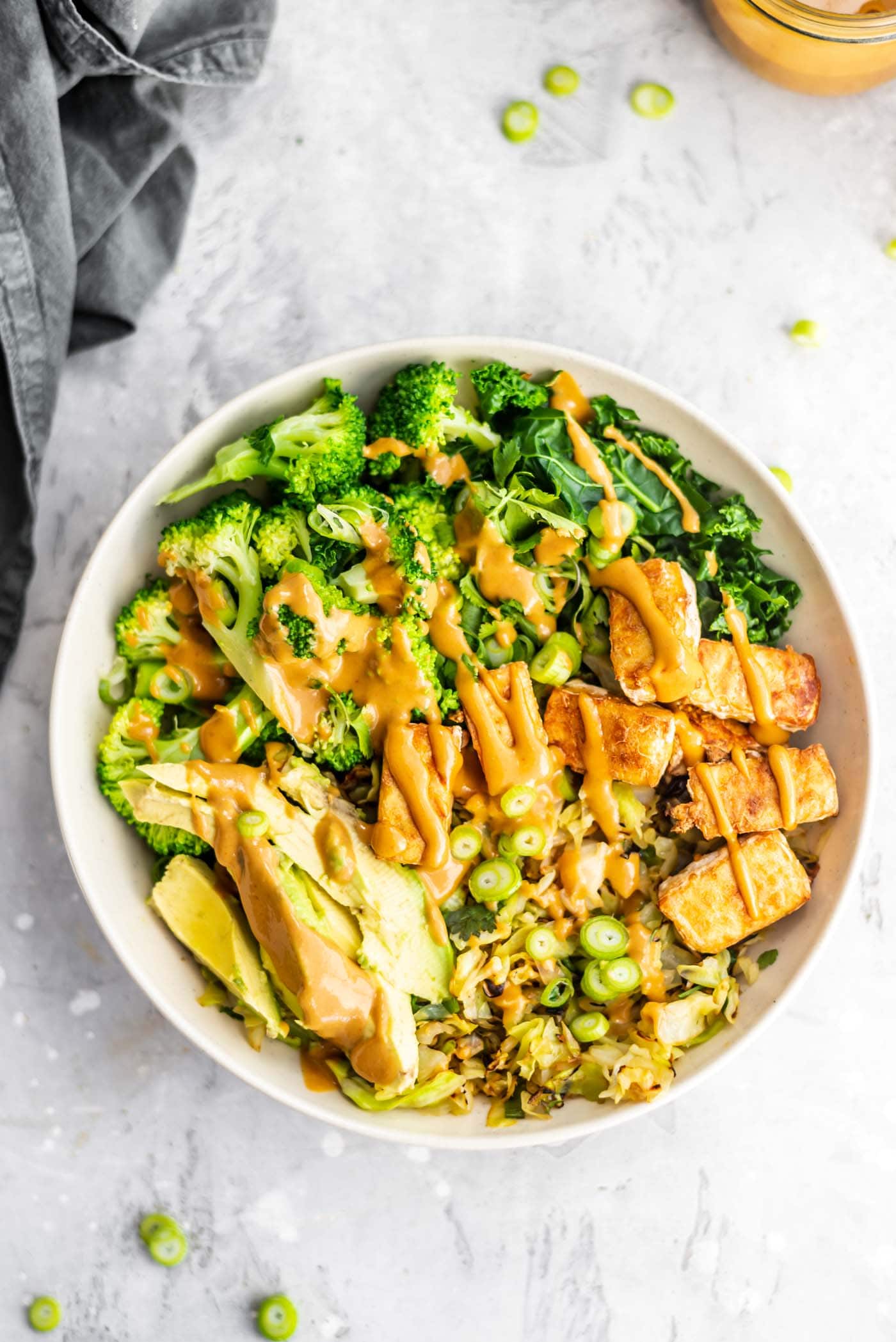
2. Stir-fried tofu or tempeh with mixed vegetables like bell peppers, broccoli, snap peas, and mushrooms.
3. A colorful salad combining leafy greens, avocado slices, cherry tomatoes, cucumber ribbons,
feta cheese(optional),and a drizzle of olive oil-lemon dressing.
4. Lentil soup made from vegetable broth,ranging from red lentil curry soup to hearty vegetable stew.
Remember to customize these meals according to your taste preferences while maintaining the focus on high-quality proteins (legumes/soy products), non-starchy veggies,and healthy fats.
In conclusion,a vegetarian low-carb diet is not only possible but also offers plenty of delicious options.It’s important to prioritize plant-based proteins,fiber-rich vegetables,and healthy fats while restricting higher carb foods such as grains,starchy vegetables,and sugary snacks.With careful planning,you can achieve a well-balanced eating routine that supports your overall health goals.

Leave a Reply