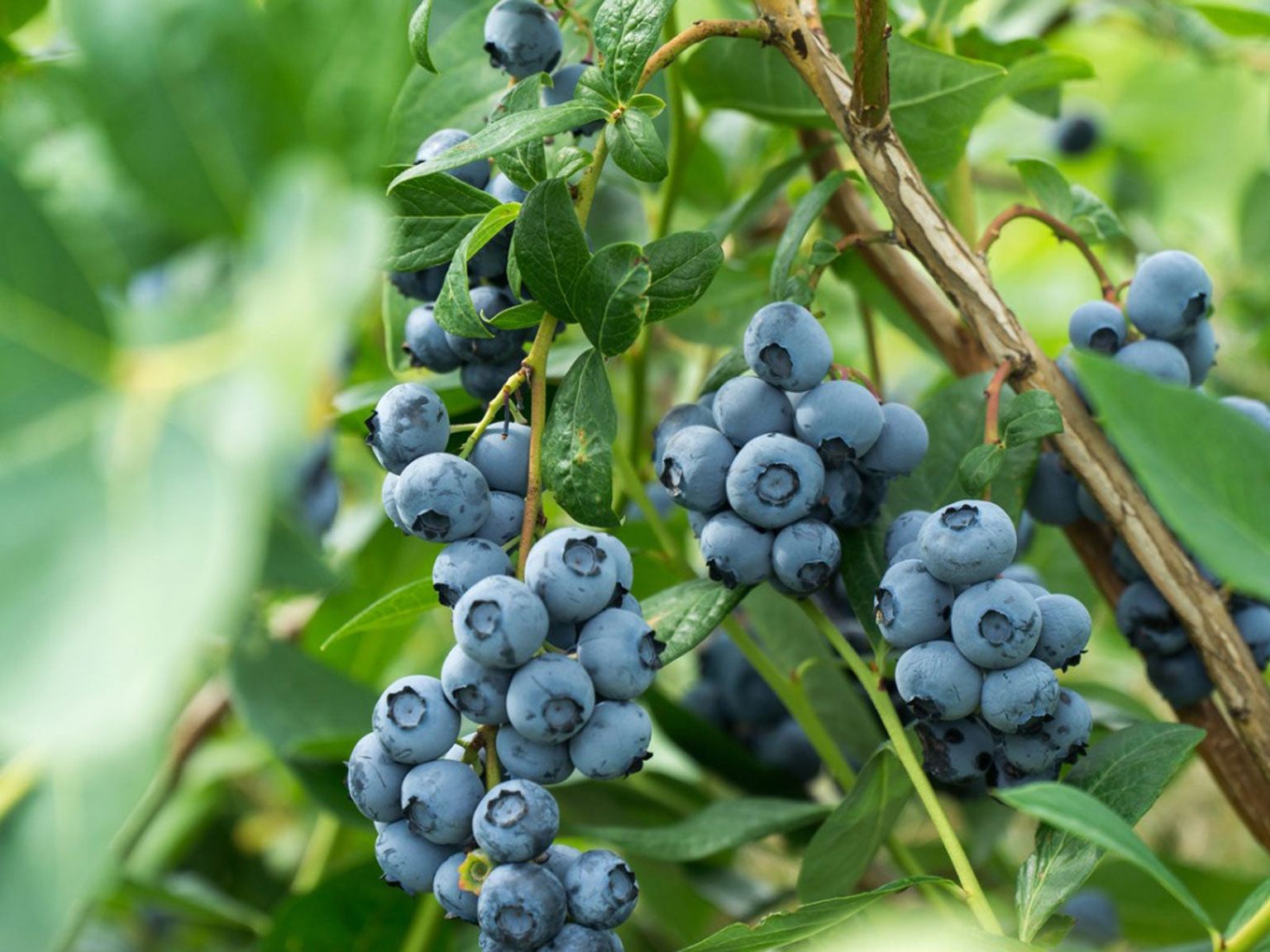
Blueberries are a delicious and nutritious fruit that is loved by many. Not only do they taste great, but they also offer an array of health benefits. From their high antioxidant content to their ability to improve brain function, blueberries are truly a superfood.
While most people are familiar with the common variety of blueberries found in grocery stores, there are actually several different types of blueberries, each with its own unique characteristics. In this article, we will explore some of the different varieties of blueberries and discuss their qualities and uses.
1. Highbush Blueberries:
Highbush blueberries (Vaccinium corymbosum) are the most common type of blueberry found in supermarkets. They are larger than other varieties and have a firm texture with a sweet-tart flavor profile. Highbush blueberries can range in color from deep purple-blue to light sky-blue when fully ripe.
These berries thrive in cooler climates and can be grown in various regions across North America, Europe, and Asia. They require acidic soil conditions and full sun exposure for optimal growth. Highbush blueberry plants can reach heights up to 6-12 feet tall and produce abundant fruit during their growing season.
2. Lowbush Blueberries:
Lowbush blueberries (Vaccinium angustifolium), also known as wild or Maine blueberries, grow naturally in colder regions such as Canada and parts of northeastern United States. These small berries have a slightly sweeter taste compared to highbush varieties but pack just as much nutritional punch.
Lowbush blueberry plants grow close to the ground and form sprawling mats rather than upright bushes like highbush varieties. They prefer acidic soil conditions similar to highbush species but require less maintenance since they don’t need pruning or staking.
3. Rabbiteye Blueberries:
Rabbiteye blueberries (Vaccinium virgatum) are native to the southeastern United States but can also be found in some parts of South America and Asia. These blueberries got their name from the way their berries turn pinkish-red before fully ripening, resembling a rabbit’s eye.
Rabbiteye blueberries have a milder flavor compared to highbush varieties but make up for it with their larger size and abundance of antioxidants. They are well-suited for warmer climates, as they require fewer chilling hours during winter dormancy.
4. Southern Highbush Blueberries:
Southern highbush blueberries (Vaccinium corymbosum hybrid) are a cross between highbush blueberries and rabbiteye blueberries. This hybrid variety was developed to combine the best qualities of both parent species, such as cold hardiness and heat tolerance.
Southern highbush berries tend to be large in size with a sweeter taste profile than rabbiteye varieties. They thrive in regions with mild winters and hot summers, making them popular in southern states like Florida, Georgia, and California.
5. Half-High Blueberries:
Half-high blueberry plants (Vaccinium spp.) are hybrids resulting from crosses between lowbush and highbush varieties. As the name suggests, these plants grow to about half the height of regular highbush blueberry bushes.
Half-high blueberries offer an excellent option for gardeners who want to grow blueberries but have limited space or prefer smaller-sized plants. Their fruits are similar in size to lowbush berries but retain some characteristics of highbush varieties when it comes to flavor profiles.
6. Wild Mountain Blueberries:
Wild mountain blueberries (Vaccinium uliginosum), also known as bog bilberry or alpine bilberry, grow naturally in mountainous regions across Europe, Asia, and North America. These small berries have a unique tartness that pairs well with sweet desserts and make excellent additions to jams and sauces.
Wild mountain blueberries are typically smaller than other varieties, but they boast a higher concentration of antioxidants. They thrive in acidic soil conditions similar to highbush and lowbush varieties but require colder temperatures for proper growth.
In conclusion, blueberries come in various shapes, sizes, and flavors. Each variety offers its own distinct qualities that cater to different tastes and growing conditions. Whether you prefer the large and sweet highbush blueberries or the wild and tart lowbush varieties, incorporating these delicious berries into your diet is a fantastic way to reap their numerous health benefits. So next time you’re at the grocery store or planning your garden, consider exploring these different blueberry options for a delightful culinary experience!

Leave a Reply