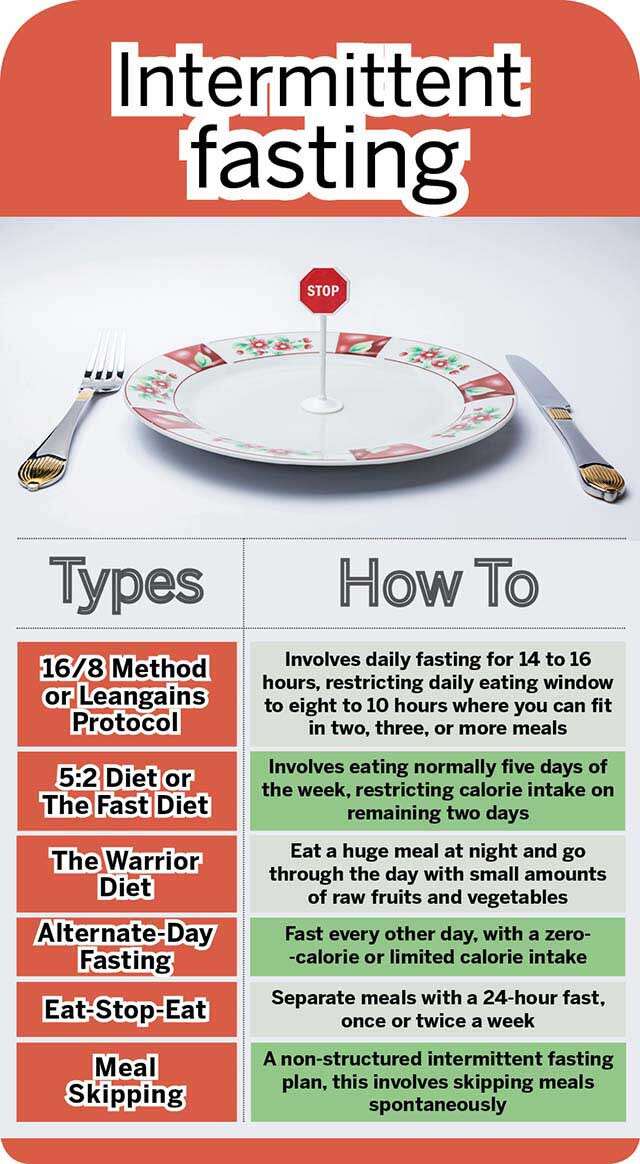
Intermittent fasting is a popular eating pattern that involves cycling between periods of fasting and eating. It has been shown to have numerous health benefits, including weight loss, improved insulin sensitivity, and increased energy levels. However, many people are concerned about the cost associated with intermittent fasting. The good news is that you can practice this eating pattern on a tight budget with these tips and tricks:
1. Plan your meals: Before starting your intermittent fasting journey, plan your meals in advance. This will help you avoid impulse purchases and ensure that you stick to your budget.
2. Cook at home: Eating out can quickly add up expenses. Cooking at home allows you to control the ingredients and portion sizes while saving money.
3. Stock up on affordable staples: Fill your pantry with affordable staples like rice, beans, lentils, oats, eggs, canned tuna or salmon, frozen vegetables, and fruits in season.
4. Buy in bulk: Purchasing items in bulk can significantly reduce costs over time. Look for discounts at wholesale stores or consider joining a buying club to split the cost of larger quantities with others.
5. Opt for cheaper protein sources: Instead of expensive cuts of meat or fish, choose more economical protein options like chicken thighs instead of breasts or tofu instead of beef.
6. Utilize leftovers: Make use of leftover food by creatively incorporating them into new dishes or repurposing them as meal prep options for the following days.
7. Practice mindful eating during feeding windows: Intermittent fasting encourages mindful eating during the designated feeding windows rather than mindless snacking throughout the day outside those hours. This helps reduce unnecessary food expenses.
8. Focus on whole foods: Processed foods tend to be more expensive than whole foods such as fruits, vegetables, whole grains, and legumes which provide essential nutrients without breaking the bank.
9. Shop sales and use coupons wisely: Keep an eye out for sales on staple items and use coupons to save money. However, be cautious not to fall into the trap of buying unnecessary items just because they are on sale.
10. Prepare meals in advance: Dedicate some time each week to meal prepping. This allows you to have ready-to-eat meals or ingredients that can be quickly assembled during your feeding windows, eliminating the need for expensive takeout or convenience foods.
11. Stay hydrated: Drinking enough water throughout the day helps curb hunger pangs and cravings, preventing unnecessary spending on snacks or beverages.
12. Grow your own herbs and vegetables: If possible, start a small garden and grow your own herbs and vegetables. It’s a cost-effective way to ensure you have fresh produce available without spending extra money at the grocery store.
13. Share expenses with others: Consider sharing the cost of groceries with friends or family members who are also practicing intermittent fasting. You can split larger quantities of items or cook together, making it more affordable for everyone involved.
14. Use intermittent fasting apps or online communities: Utilize free resources like intermittent fasting apps or online communities where people share tips, recipes, and budget-friendly ideas that can help you navigate this eating pattern economically.
15. Prioritize health over fancy supplements: While there are various supplements marketed towards intermittent fasting enthusiasts, many are unnecessary and come with hefty price tags. Instead of investing in these products, focus on consuming a balanced diet rich in whole foods to meet your nutritional needs.
By implementing these tips and tricks while following an intermittent fasting regimen, you can enjoy its benefits without straining your wallet!

Leave a Reply