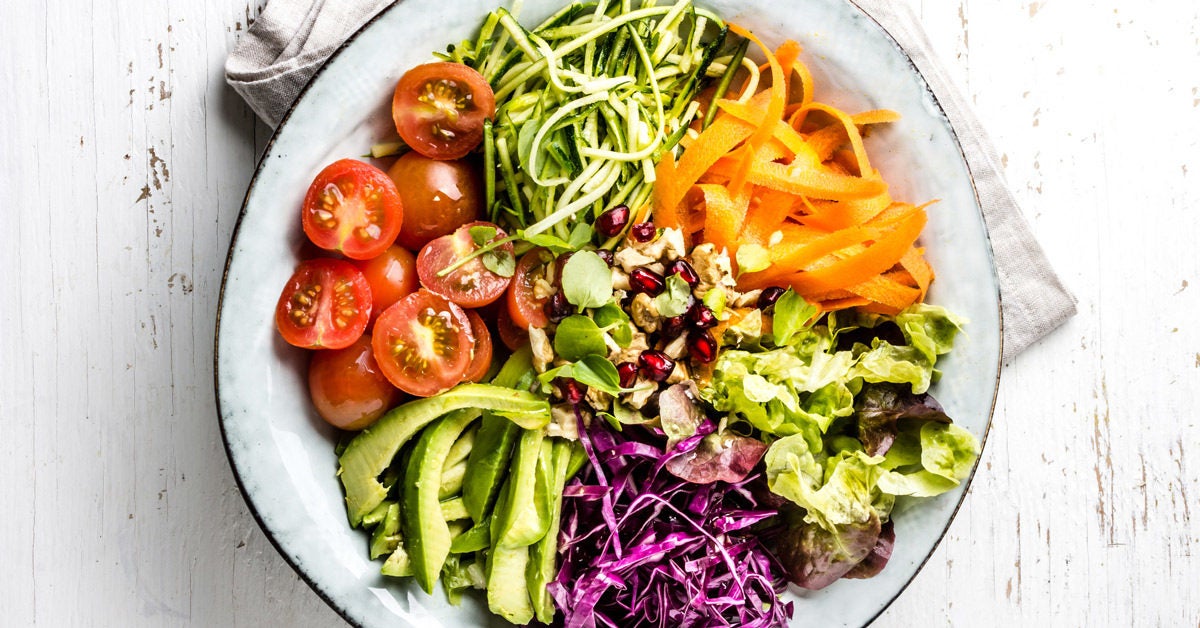
The raw food diet is a popular dietary approach that promotes the consumption of uncooked and unprocessed foods. Proponents of this lifestyle believe that cooking can destroy enzymes, vitamins, and minerals in food, making it less nutritious. While it may seem challenging to adopt a raw food diet initially, with the right tips and guidance, you can successfully incorporate this eating pattern into your daily life. In this article, we will explore some helpful tips for following a raw food diet.
1. Gradual Transition:
Transitioning to a raw food diet should be done gradually to allow your body time to adjust. Start by incorporating more fresh fruits and vegetables into your meals while reducing cooked or processed foods. This gradual approach will make the transition smoother and help prevent any potential detoxification symptoms.
2. Variety is Key:
To ensure you’re getting all the necessary nutrients on a raw food diet, aim for variety in your meals. Include a wide range of fruits, vegetables, nuts, seeds, sprouts, seaweed, and fermented foods like sauerkraut or kimchi. Experiment with different colors and textures to keep your meals interesting.
3. Proper Food Preparation:
Invest in high-quality kitchen equipment like a blender or food processor to help prepare delicious raw meals easily. These tools will enable you to make smoothies, sauces, dips or create alternative versions of pasta using spiralizers or mandolins.
4. Soak Nuts and Seeds:
Raw nuts and seeds are excellent sources of healthy fats and protein but can be difficult to digest if not prepared properly due to enzyme inhibitors present in their natural state. Soaking them overnight before consumption removes these inhibitors while enhancing their nutritional value.
5. Sprouting Grains/Legumes:
Sprouting grains such as quinoa or legumes like lentils increases their nutrient content significantly by unlocking essential enzymes dormant within them while also improving digestibility.
6. Hydration is Vital:
Staying hydrated is crucial for overall health. Ensure you drink plenty of water throughout the day. You can also incorporate raw soups, herbal teas, or coconut water to add variety and flavor while meeting your hydration needs.
7. Incorporate Healthy Fats:
Including healthy fats in your raw food diet provides satiety and supports brain function. Avocados, nuts, seeds, coconut oil, olive oil, and flaxseed oil are excellent sources of healthy fats that can be incorporated into salads or used in dressings.
8. Seasoning with Herbs and Spices:
While cooking may not be involved in a raw food diet, that doesn’t mean your meals have to lack flavor. Experiment with various herbs and spices to enhance taste without compromising the freshness of your dishes.
9. Address Nutritional Gaps:
Certain nutrients may be more challenging to obtain on a raw food diet such as vitamin B12 or omega-3 fatty acids. Consider incorporating fortified foods like nutritional yeast or seaweed for B12 supplementation and chia seeds or algae supplements for omega-3s after consulting with a healthcare professional.
10. Mindful Eating:
Adopting a mindful eating practice helps create a deeper connection with the food you consume. Chew slowly and thoroughly to aid digestion while savoring the flavors and textures of each bite.
11. Seek Support:
Joining online communities or local meetups dedicated to the raw food lifestyle can provide support during your journey by connecting you with like-minded individuals who understand the challenges and benefits associated with this way of eating.
12. Listen to Your Body:
Every individual is unique; what works for one person may not work for another when it comes to dietary choices. Pay attention to how different foods make you feel physically and emotionally so you can adjust accordingly based on your body’s needs.
Remember that balance is key when following any diet plan, including a raw food diet. While this approach promotes the consumption of raw foods, it’s essential to listen to your body and make adjustments as necessary. Consulting with a healthcare professional or registered dietitian can provide personalized guidance and ensure you’re meeting your nutritional needs on this dietary journey.

Leave a Reply