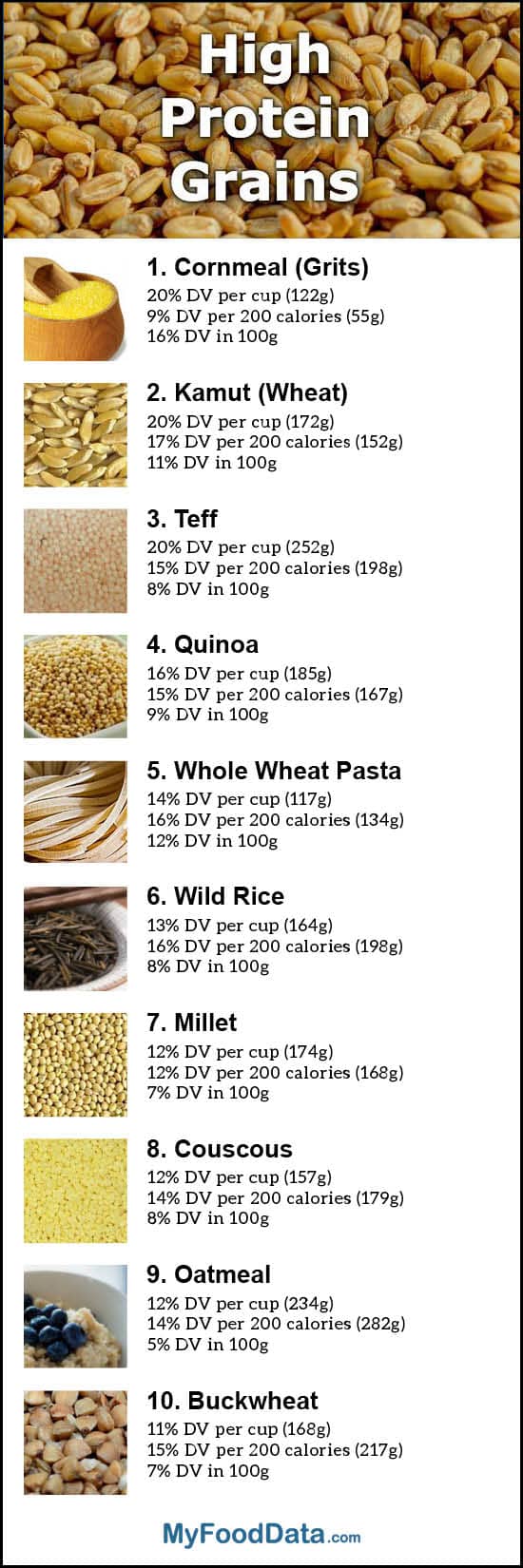
High-protein grains and legumes have gained immense popularity in the world of healthy eating. Packed with essential nutrients, these plant-based sources offer a great alternative for those looking to increase their protein intake without relying solely on animal products. In this article, we will delve into some high-protein grains and legumes that you can incorporate into your diet.
Quinoa is one of the most well-known high-protein grains. This gluten-free grain contains all nine essential amino acids, making it a complete protein source. With approximately 8 grams of protein per cooked cup, quinoa also provides fiber and minerals such as magnesium and zinc.
Another popular option is amaranth, an ancient grain rich in protein. Amaranth boasts around 9 grams of protein per cooked cup and is loaded with antioxidants like vitamin E. It can be used as a base for porridge or added to baked goods for an extra nutritional boost.
Moving on to legumes, lentils are a powerhouse when it comes to plant-based proteins. With about 18 grams of protein per cooked cup, lentils are not only high in protein but also low in fat and packed with dietary fiber. They come in various colors such as green, red, brown, and black—each offering slightly different flavors.
Chickpeas or garbanzo beans are another excellent choice for increasing your daily protein intake while enjoying a delicious meal. With approximately 15 grams of protein per cooked cup, chickpeas can be used in salads, soups, stews or even roasted for a crunchy snack.
Black beans are known for their versatility and high nutritional content. One cooked cup contains around 15 grams of protein along with significant amounts of iron and folate—essential nutrients often lacking in meat-heavy diets.
Lastly, we have soybeans—a complete source of plant-based proteins that contain all the essential amino acids our bodies need to function properly. Soybeans can be consumed in various forms such as tofu, tempeh, or edamame. One cup of cooked soybeans contains an impressive 29 grams of protein.
Incorporating high-protein grains and legumes into your diet is a smart choice for both vegetarians and meat-eaters alike. Not only do they provide the building blocks for muscle growth and repair, but they also offer other important nutrients like fiber, vitamins, and minerals. So whether you’re looking to add more variety to your meals or simply boost your protein intake, these plant-based sources are definitely worth considering.

Leave a Reply