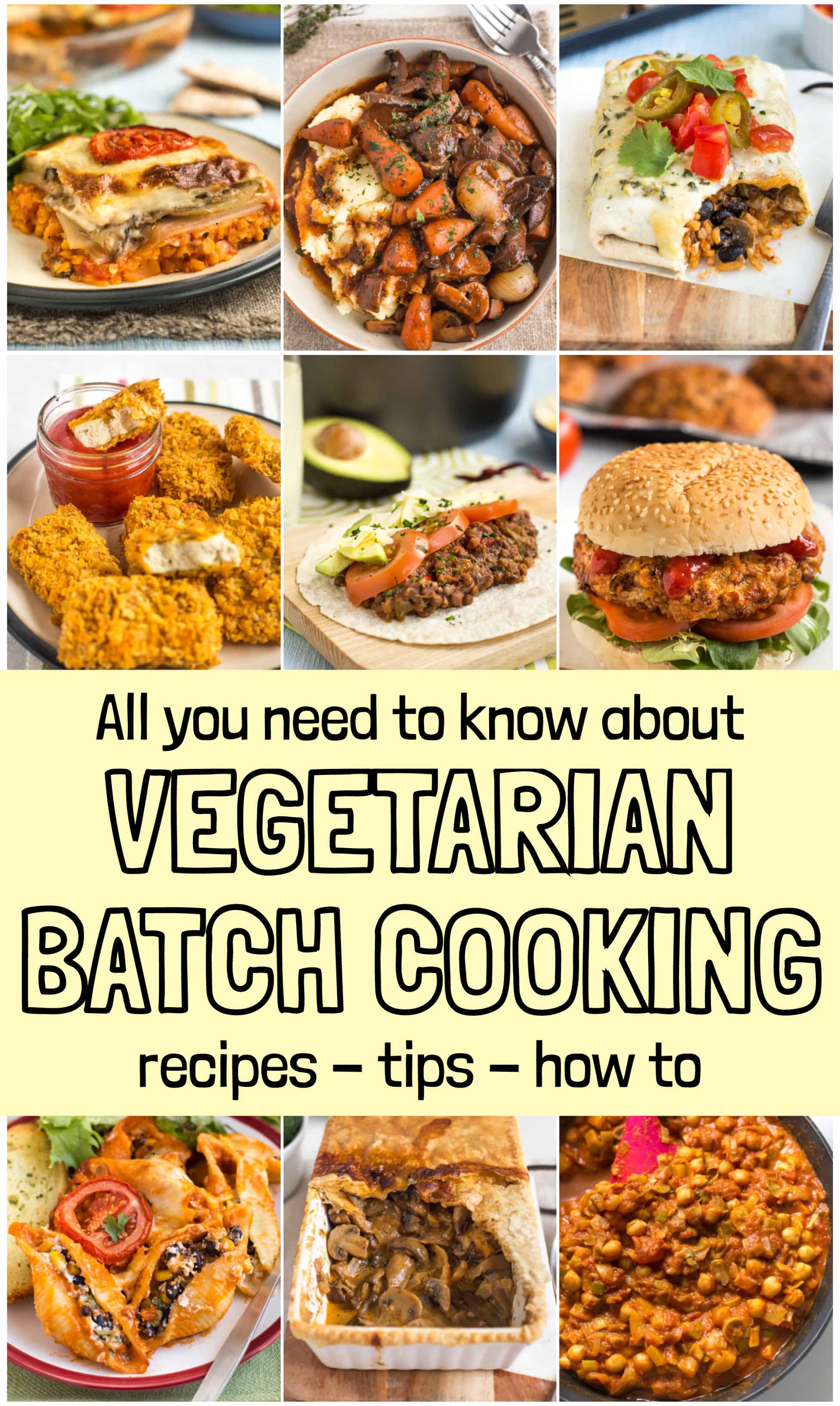
Vegetarian Cooking Techniques and Tips
Whether you are a seasoned vegetarian or just starting to incorporate more plant-based meals into your diet, mastering some key cooking techniques can help you create delicious and satisfying vegetarian dishes. With the right knowledge and skills, you’ll be able to cook up a variety of flavorful meals that will make you forget about meat altogether. Here are some essential vegetarian cooking techniques and tips to get you started:
1. Embrace Whole Foods:
One of the foundations of vegetarian cooking is using whole foods as much as possible. Whole foods refer to ingredients that are minimally processed and retain their natural nutrients. Fruits, vegetables, legumes, whole grains, nuts, and seeds should form the base of your meals. By incorporating these nutrient-dense ingredients into your recipes, you’ll ensure that your body gets all the necessary vitamins, minerals, and fiber it needs.
2. Master Vegetable Prep:
Knowing how to properly prepare vegetables is crucial for maximizing their flavors and textures in your dishes. Start by washing all produce thoroughly before use. For root vegetables like potatoes or carrots, scrub them with a brush under running water to remove any dirt or debris.
Next, learn different cutting techniques such as dicing, julienning (thin strips), mincing (finely chopping), or slicing vegetables into various shapes like rounds or matchsticks. The size and shape of the veggies can greatly impact how they cook and taste in a dish.
3. Experiment with Flavors:
One common misconception about vegetarian cuisine is that it lacks flavor compared to meat-based dishes. However, this couldn’t be further from the truth! Vegetarian cooking offers an array of exciting flavors through herbs, spices, sauces, marinades,and condiments.
Herbs like basil,cilantro,dill,mint,parsley,sage,and thyme add freshness while spices such as cumin,turmeric,paprika,cayenne pepper,and cinnamon bring depth and complexity to your meals. Don’t be afraid to mix and match different flavors to find combinations that excite your taste buds.
4. Utilize Plant-Based Proteins:
Protein is an essential nutrient for any diet, including a vegetarian one. While meat is a common source of protein, there are plenty of plant-based alternatives available. Incorporating these sources into your cooking will ensure you meet your daily protein requirements.
Legumes like lentils,chickpeas,and black beans are excellent sources of protein and can be used in stews,soups,casseroles,and even veggie burgers. Tofu,tempeh,and seitan (wheat gluten) offer a chewy texture similar to meat and work well in stir-fries or as substitutes in recipes calling for chicken or beef.
5. Get Creative with Grains:
Grains such as rice,quinoa,millet,bulgur wheat,and couscous provide a solid base for many vegetarian dishes. They’re versatile, filling, and packed with nutrients.
Try experimenting with different types of grains to add variety to your meals. For example,rice can be cooked with aromatic spices like saffron or turmeric for vibrant colors and flavors. Quinoa makes an excellent substitute for rice or pasta in salads while bulgur wheat can create hearty pilafs or stuffings.
6. Optimize Cooking Methods:
Choosing the right cooking method can make all the difference when it comes to enhancing the flavors of vegetarian ingredients.
Sautéing: Sautéing involves quickly frying vegetables over high heat using minimal oil.This technique helps retain their natural crunchiness while adding caramelization on their surfaces.For extra flavor,you can season veggies with herbs and spices during the process.
Roasting: Roasting vegetables brings out their sweetness by caramelizing their natural sugars.It’s simple:simply toss chopped veggies in olive oil,salt,and pepper then lay them on a baking sheet.Roast in the oven at high temperature until they develop a golden-brown color and become tender.
Steaming: Steaming is perfect for delicate veggies like broccoli,cauliflower,and asparagus.It helps retain their vibrant colors and nutrients while maintaining a crisp texture.Steam vegetables by placing them in a steamer basket over boiling water or by using an electric steamer.
7. Explore Global Cuisines:
Vegetarian cuisine is not limited to any specific region; it’s truly global! Exploring different cuisines can introduce you to new flavors and expand your cooking repertoire.
Indian cuisine, for example, offers numerous vegetarian dishes packed with aromatic spices such as curries,dals,and biryanis. Mediterranean cuisine features delicious recipes like falafel,hummus,baba ganoush,and tabbouleh that showcase fresh ingredients like chickpeas,tahini,and olive oil.
Mexican cuisine includes hearty bean-based dishes,chiles rellenos,salsa verde,and guacamole.
8. Invest in Quality Cookware:
Having the right cookware can make your vegetarian cooking experience much more enjoyable and efficient. Non-stick pans are ideal for sautéing vegetables without excessive oil,while stainless steel pans are great for searing tofu or tempeh.Additionally,a good quality blender or food processor can be handy when making sauces,dips,or soups.
9. Learn Proper Seasoning Techniques:
Seasoning plays an essential role in elevating the taste of your vegetarian dishes.Don’t underestimate the power of salt—it enhances flavors and brings out natural sweetness.Additionally,acidic ingredients such as lemon juice,vinegar,lime juice,tomatoes,and yogurt add brightness to your meals.Finally,umami-rich ingredients like soy sauce,miso paste,nutritional yeast,tomato paste,or mushrooms create depth and complexity in savory dishes.
10. Don’t Forget About Texture:
Texture is just as important as flavor in creating a satisfying vegetarian meal. Incorporate a variety of textures to keep your dishes interesting and enjoyable.
Add crunchy elements like toasted nuts or seeds,crispy fried onions,or croutons to contrast with softer components. Experiment with different cooking techniques,such as grilling vegetables for smoky flavors or baking tofu for a crispy outer layer.
In conclusion,mastering these vegetarian cooking techniques and tips will help you create delicious and nutritious meals that are sure to satisfy both vegetarians and meat-eaters alike. So go ahead,explore the world of vegetarian cuisine,and let your creativity run wild in the kitchen!

Leave a Reply