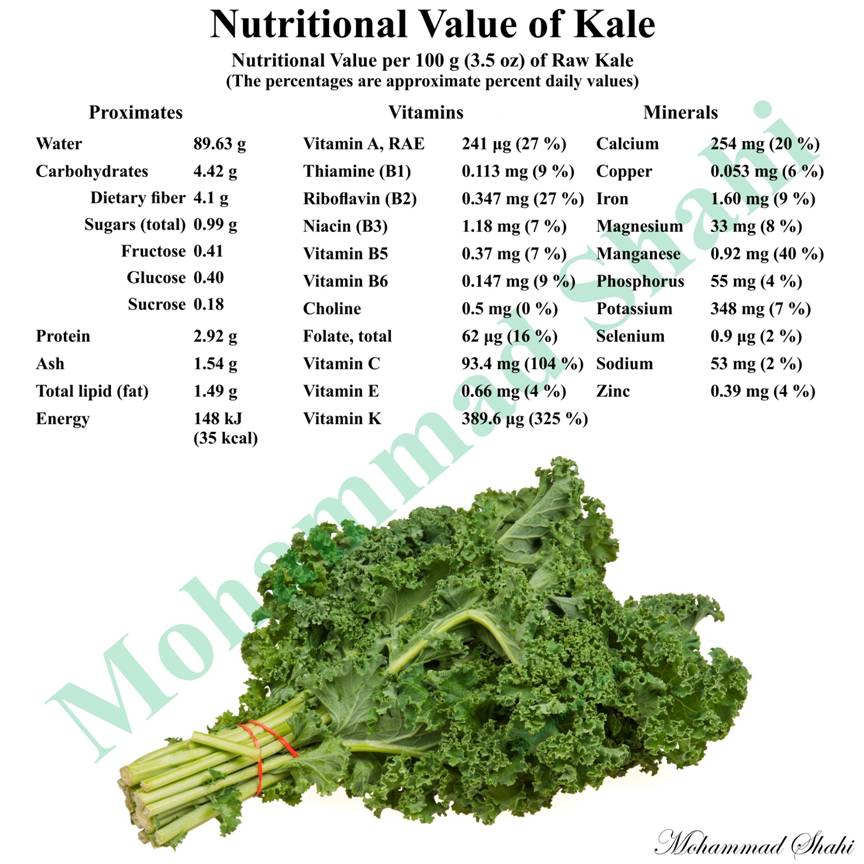
Kale has gained immense popularity in recent years as a powerhouse of nutrients and is often referred to as the “queen of greens.” Packed with vitamins, minerals, antioxidants, and fiber, kale offers numerous health benefits. Whether you enjoy it raw in salads or cooked in various dishes, this leafy green vegetable is an excellent addition to a healthy diet. In this article, we will explore the top 10 nutritional values of kale.
1. Vitamin C:
Kale is loaded with vitamin C, which plays a crucial role in immune function and collagen synthesis. Just one cup of raw kale provides over 100% of the recommended daily intake (RDI) for vitamin C. Consuming foods rich in vitamin C can help boost your immune system and protect against illnesses like the common cold.
2. Vitamin K:
Vitamin K is essential for blood clotting and bone health. Kale is one of the best sources of vitamin K among all vegetables. A single cup of cooked kale contains nearly seven times the RDI for vitamin K. Including kale in your diet can contribute significantly to maintaining strong bones and reducing the risk of fractures.
3. Fiber:
Fiber is vital for digestive health and helps maintain regular bowel movements while also promoting satiety. Kale contains both soluble and insoluble fibers that aid digestion by supporting healthy gut bacteria growth. One cup of cooked kale offers around 2 grams of fiber, making it an excellent choice for those seeking to increase their fiber intake.
4. Antioxidants:
Kale is packed with powerful antioxidants such as beta-carotene, quercetin, kaempferol, and lutein that help combat oxidative stress caused by free radicals in our bodies. These antioxidants have been linked to reduced risk factors associated with chronic diseases like heart disease and cancer.
5.Vitamin A:
Vitamin A plays a crucial role in maintaining good vision along with supporting cell growth and immune function. Kale is an excellent source of vitamin A, providing more than the RDI in a single cup. Consuming kale regularly can help maintain healthy eyesight and support overall immune health.
6. Calcium:
Calcium is well-known for its role in maintaining strong bones and teeth, but it also contributes to muscle function and nerve transmission. Surprisingly, kale contains more calcium per calorie than milk! Incorporating kale into your diet can be especially beneficial for individuals following a plant-based or dairy-free lifestyle.
7.Iron:
Iron deficiency is one of the most common nutrient deficiencies worldwide, leading to fatigue and decreased immunity. Kale is an excellent plant-based source of iron that promotes red blood cell production and oxygen transport throughout the body. Including kale in your meals can help prevent iron deficiency while providing other essential nutrients simultaneously.
8.Magnesium:
Magnesium plays a vital role in over 300 biochemical reactions within our bodies, including energy metabolism and muscle function. One cup of cooked kale provides approximately 6% of the RDI for magnesium. Adequate magnesium intake has been associated with improved insulin sensitivity, reduced inflammation, and better bone health.
9.Potassium:
Potassium helps regulate fluid balance, muscle contractions, and nerve signals within our bodies. Despite being often associated with bananas, kale actually contains more potassium per calorie compared to bananas! Increasing potassium intake by consuming foods like kale may help lower blood pressure levels and reduce the risk of heart disease.
10.Folate:
Folate (vitamin B9) is essential during pregnancy as it supports fetal development by aiding in DNA synthesis and preventing neural tube defects. Kale is a great source of folate; just one cup provides around 5% of the RDI for this important nutrient.
Incorporating Kale Into Your Diet:
With all these incredible nutritional benefits packed into each bite-sized leafy green piece, you might be wondering how to incorporate more kale into your diet. Here are a few ideas:
1. Kale Chips:
Bake kale leaves tossed in olive oil and seasonings until crispy for a healthy and satisfying snack.
2. Salads:
Add raw or lightly massaged kale to your regular salads along with other fresh vegetables and protein sources.
3.Soups and Stews:
Chop up some kale leaves and add them to soups, stews, or even smoothies for an extra nutrient boost.
4.Sautéed or Steamed Kale:
Sauté or steam kale with garlic, olive oil, and lemon juice as a delicious side dish to accompany any main course.
5.Kale Smoothies:
Blend some fresh or frozen kale leaves into your favorite smoothie recipe for added nutrition without compromising taste.
Conclusion:
With its exceptional nutritional profile, it’s no wonder that kale has earned its reputation as one of the healthiest foods on the planet. From vitamins A, C, K to minerals like calcium and potassium, this leafy green is truly a nutritional powerhouse. So go ahead and make room for more kale on your plate!

Leave a Reply