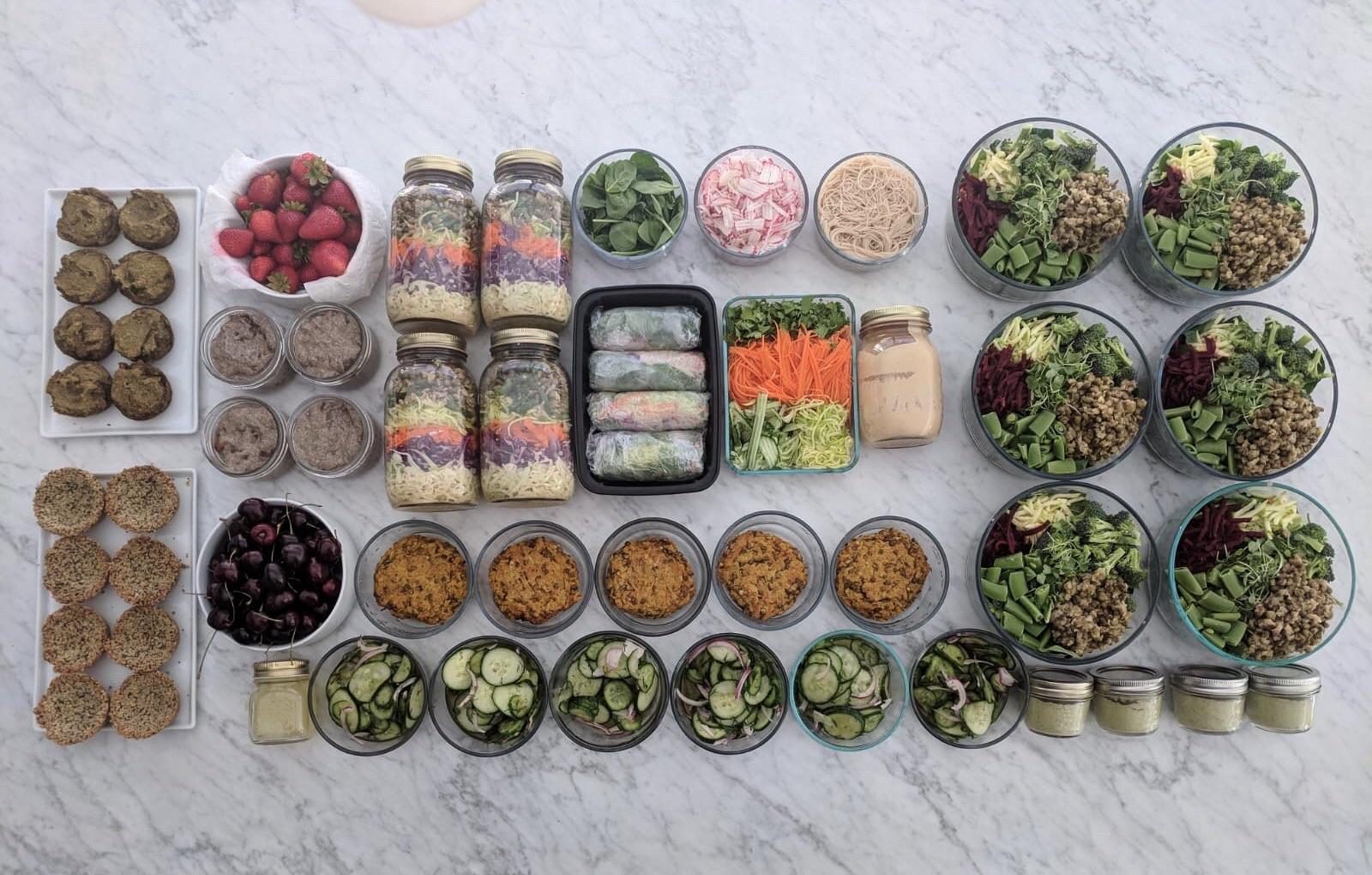
Meal prepping has become increasingly popular as people look for ways to save time and eat healthier. And if you follow a plant-based diet or are simply looking to incorporate more plant-based proteins into your meals, meal prepping can be an excellent strategy. By planning ahead and preparing protein-rich plant-based ingredients in advance, you can ensure that you always have nutritious meals ready to go. In this article, we will share some valuable tips for meal prepping with plant-based proteins.
1. Choose a Variety of Plant-Based Proteins
When it comes to meal prepping with plant-based proteins, variety is key. There are numerous options available that provide essential amino acids and other nutrients necessary for optimal health. Some examples include legumes (such as beans, lentils, and chickpeas), tofu, tempeh, edamame, seitan, quinoa, buckwheat groats, chia seeds, hemp seeds, and nuts.
By incorporating a diverse range of these protein sources into your meal prep routine each week, you’ll not only keep things interesting but also ensure that you’re getting a wide array of nutrients.
2. Batch Cook Your Proteins
One of the most effective strategies for successful meal prepping is batch cooking your proteins. This involves cooking larger quantities of your chosen protein sources at once so that they can be used throughout the week in various dishes.
For example:
– Prepare a big pot of chili using kidney beans or black beans.
– Make a large batch of lentil soup or stew.
– Roast tofu or tempeh in different marinades.
– Cook up a large amount of quinoa or other whole grains like brown rice or farro.
– Soak and cook dried chickpeas instead of relying on canned ones.
Cooking in bulk saves time because you won’t have to cook individual meals every day while ensuring that there’s always something protein-packed ready to go.
3. Plan Your Meals
Before you start prepping, take some time to plan your meals for the week. This will help you determine what protein sources you’ll need and how much of each one to cook. It will also assist in creating a balanced and varied meal plan.
Consider incorporating different cuisines into your weekly meal plans to keep things interesting. For example, choose Mexican-inspired dishes like black bean enchiladas or Thai-style curries with tofu and vegetables.
4. Invest in Quality Meal Prep Containers
Investing in high-quality meal prep containers is crucial for keeping your prepped meals fresh and well-organized throughout the week. Look for containers that are leak-proof, microwave-safe, dishwasher-safe, and stackable for easy storage. Glass containers are an excellent option as they are durable and do not leach any harmful chemicals into your food.
Divide your cooked proteins into individual portions using these containers so that they’re ready to grab when you need them.
5. Pre-Wash and Chop Vegetables
In addition to prepping proteins, it’s also helpful to prepare vegetables in advance. Washing and chopping vegetables ahead of time can save a significant amount of time during the busy workweek.
For leafy greens like spinach or kale, wash them thoroughly before storing them in airtight bags or containers lined with paper towels to absorb moisture. Chopped veggies like bell peppers, carrots, celery, or cucumbers can be stored similarly but without the paper towel lining.
By having pre-washed greens on hand or chopped veggies ready for salads or stir-fries, you’ll be more likely to incorporate them into your meals regularly.
6. Make Use of Freezer-Friendly Proteins
Not all plant-based proteins freeze well after being cooked; however, there are quite a few that maintain their texture and taste even after freezing.
Some examples include cooked lentils (both whole and mashed), beans (black beans, kidney beans, chickpeas), tofu (freeze it after draining and pressing), tempeh, and cooked quinoa. These frozen proteins can be easily thawed and reheated when needed.
Freezing your prepped proteins in individual portions ensures that you always have a backup option when time is limited or when you haven’t had the chance to do your regular grocery shopping.
7. Keep Flavorful Sauces and Dressings Handy
One common mistake people make with meal prepping is not considering the importance of flavor. While plain steamed protein can be nutritious, it might become monotonous to eat day after day.
To keep things interesting, prepare some flavorful sauces or dressings in advance. For example:
– Whip up a batch of tahini dressing or peanut sauce.
– Make a zesty citrus vinaigrette for salads.
– Prepare a spicy barbecue sauce for marinating tofu or tempeh.
– Create a creamy cashew-based sauce for pasta dishes.
Having these condiments ready will add variety and excitement to your meals without sacrificing nutrition.
8. Don’t Forget About Snacks
Meal prep isn’t just about main meals; snacks are equally important! When planning your weekly meal prep routine, consider incorporating protein-rich snack options as well.
Some ideas include:
– Energy balls made with nuts, seeds, and dried fruits.
– Roasted chickpeas seasoned with spices like paprika or cumin.
– Pre-cut vegetables paired with hummus or bean dip.
– Nuts and seeds trail mix.
By having these snacks readily available in portioned containers or bags, you’ll be less likely to reach for unhealthy processed snacks throughout the week.
9. Embrace One-Pot Meals
When time is limited but you still want a wholesome meal packed with plant-based protein, one-pot meals are your best friend. These meals involve cooking everything together in one pot or pan—saving both time and effort.
Some examples of one-pot meals include:
– Stir-fries with tofu or tempeh, mixed vegetables, and a flavorful sauce.
– Quinoa or rice-based pilafs with beans, lentils, or chickpeas.
– Pasta dishes with whole wheat pasta, veggies, and plant-based proteins like edamame or seitan.
These meals are not only convenient but also result in fewer dishes to wash!
10. Stay Organized
Lastly, staying organized is crucial for successful meal prepping. Label your containers with the date you prepared each item so that you can easily identify what needs to be consumed first. Rotate your stockpile of frozen proteins regularly to ensure nothing goes to waste.
Additionally, keep a list of staple ingredients that you’ve run out of so that you can restock them during your next grocery trip without forgetting anything essential.
In conclusion, meal prepping with plant-based proteins is an excellent way to save time while ensuring you consume nutritious meals throughout the week. By choosing a variety of plant-based protein sources, batch cooking proteins in advance, planning your meals thoughtfully, investing in quality containers, pre-washing and chopping vegetables ahead of time, making use of freezer-friendly options when possible, having flavorful sauces and dressings on hand for extra taste appeal, incorporating protein-rich snacks into your routine as well as one-pot meals when pressed for time—meal prep becomes an effortless task that supports healthy eating habits. So why wait? Start implementing these tips today and enjoy the benefits of easy meal prep on your journey towards better health!

Leave a Reply