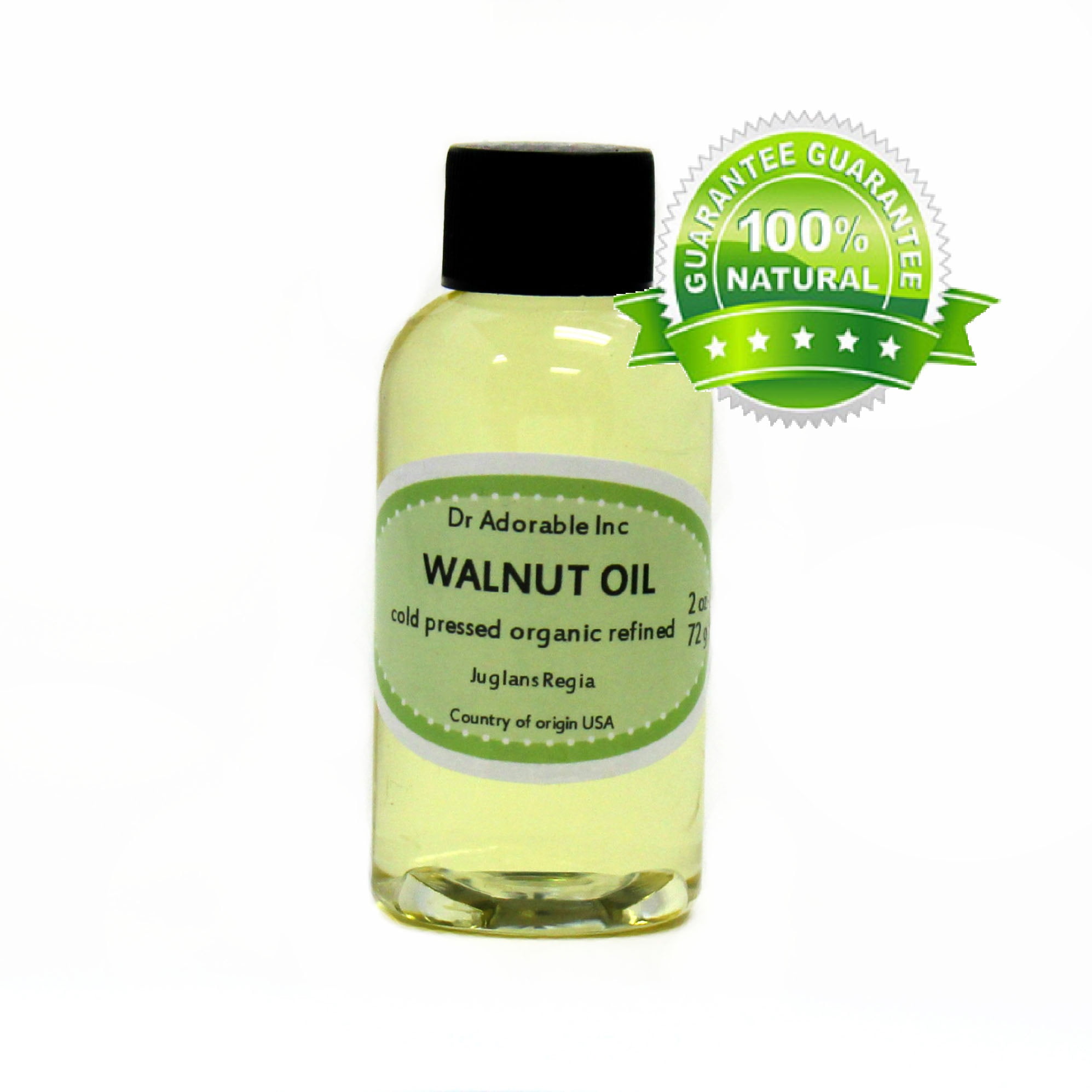
Walnut oil is a versatile and nutritious oil that has been used for centuries in various culinary traditions. Derived from the nuts of the walnut tree, this oil offers numerous health benefits and adds a distinctive flavor to a wide range of dishes. In this article, we will explore the nutritional profile of walnut oil, its potential health benefits, cooking uses, and some tips on how to incorporate it into your diet.
Nutritional Profile:
Walnut oil is rich in essential fatty acids, particularly omega-3 and omega-6 fatty acids. These fats are vital for maintaining good overall health as they play a crucial role in brain function, reducing inflammation in the body, and supporting heart health. Walnut oil also contains monounsaturated fats that help lower bad cholesterol levels while increasing the levels of good cholesterol.
In terms of vitamins and minerals, walnut oil contains vitamin E – a powerful antioxidant that protects cells from damage caused by free radicals. It also provides small amounts of B vitamins such as thiamin (B1), riboflavin (B2), niacin (B3), and folate (B9). Additionally, it contains trace amounts of minerals like magnesium, phosphorus, potassium, zinc, copper, and selenium.
Health Benefits:
1. Heart Health: The presence of omega-3 fatty acids makes walnut oil beneficial for cardiovascular health. Studies have shown that consuming omega-3s can help reduce blood pressure levels and improve overall heart function.
2. Brain Function: Omega-3 fatty acids present in walnut oil are known to support brain health by promoting better cognitive function and reducing inflammation within neural pathways. Including walnut oil regularly in your diet may potentially improve memory retention and enhance mental clarity.
3. Anti-Inflammatory Properties: Walnut oil possesses anti-inflammatory properties due to its high content of polyphenols – antioxidants found naturally in plants. Regular consumption may aid in relieving symptoms associated with inflammatory conditions such as arthritis or asthma.
4. Skin Health: The vitamin E content in walnut oil contributes to maintaining healthy skin by protecting it against damage caused by free radicals and promoting overall skin elasticity. Applying walnut oil topically may help soothe dryness, reduce signs of aging, and improve the appearance of scars or stretch marks.
Cooking Uses:
Walnut oil has a distinctive nutty flavor that adds depth to both sweet and savory dishes. However, due to its delicate nature, it is best used as a finishing oil rather than for high-temperature cooking. Here are some ways you can incorporate walnut oil into your meals:
1. Salad Dressings: Drizzle walnut oil over fresh salads along with a squeeze of lemon juice or vinegar for a delicious and healthy dressing option.
2. Pasta and Grain Dishes: After cooking pasta or grains like quinoa or couscous, toss them with a spoonful of walnut oil for added flavor and richness.
3. Roasted Vegetables: Brush vegetables such as Brussels sprouts, sweet potatoes, or beets with a little walnut oil before roasting them in the oven for an irresistible nutty taste.
4. Baking: Use walnut oil as an alternative to other oils or butter in baking recipes like cakes, muffins, or bread for a unique twist.
Tips on Storage:
To ensure the longevity and quality of your walnut oil:
1. Store it in a cool, dark place away from direct sunlight.
2. Keep it tightly sealed to prevent oxidation.
3. Refrigerate after opening to extend its shelf life.
4. Check for any unusual odors or changes in color before use – discard if necessary.
In conclusion, incorporating walnut oil into your diet can provide numerous health benefits due to its high omega-3 fatty acid content and antioxidant properties derived from vitamin E and polyphenols. Remember that moderation is key when consuming any type of oil due to their caloric density; however, adding a small amount of walnut oil to your meals can enhance both the flavor and nutrition profile of your dishes. So why not give it a try and enjoy the goodness this versatile oil has to offer!

Leave a Reply