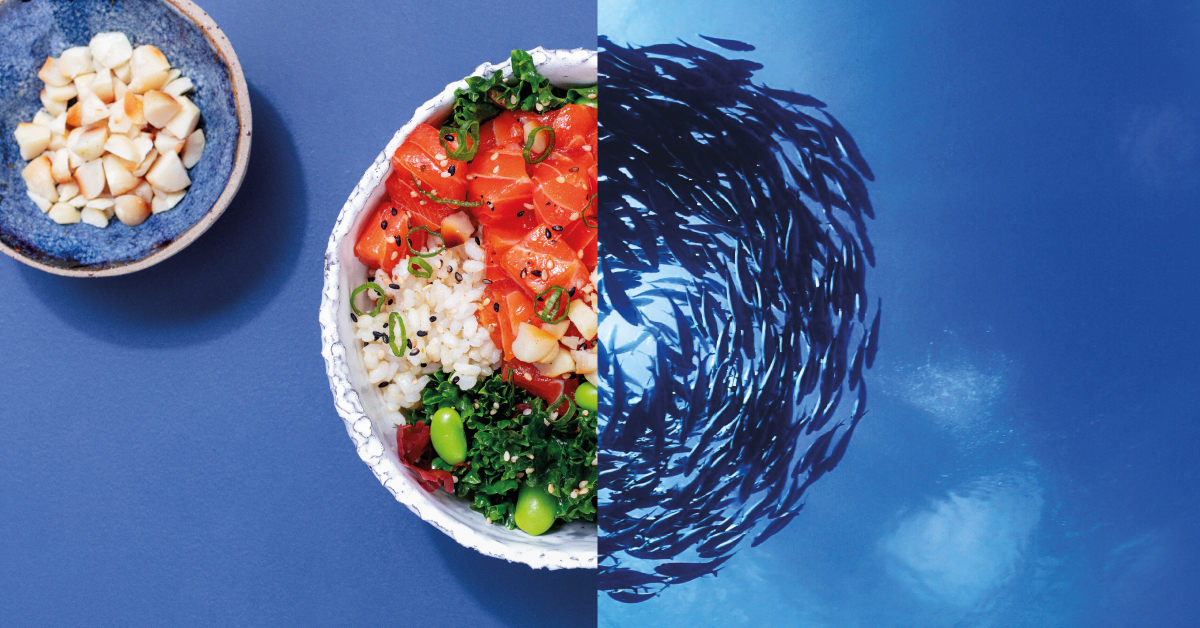
Seafood is a popular choice for many people due to its delicious taste and numerous health benefits. However, the way seafood is sourced can have significant environmental impacts. Overfishing, habitat destruction, bycatch of non-target species, and pollution are some of the issues associated with unsustainable fishing practices.
To help consumers make more sustainable choices when it comes to seafood, various organizations and guidelines have been established to promote responsible fishing practices. By choosing seafood that has been sourced sustainably, you can enjoy your meal with peace of mind knowing that you are helping protect our oceans for future generations.
One of the most well-known organizations promoting sustainable seafood is the Marine Stewardship Council (MSC). The MSC sets standards for sustainable fishing and certifies fisheries that meet these criteria. When you see the blue MSC label on a product, it means that the fish was caught in a way that minimizes environmental impact and ensures long-term sustainability of fish stocks.
Another key player in promoting sustainable seafood is Seafood Watch, a program run by the Monterey Bay Aquarium. Seafood Watch provides online guides and mobile apps that rank different types of seafood based on their sustainability. They categorize seafood into three groups: “Best Choices,” “Good Alternatives,” and “Avoid.” By consulting these guides before making your purchase, you can make informed decisions about which types of seafood are environmentally friendly.
In addition to these organizations, there are also several general guidelines you can follow to support sustainable seafood practices:
1. Choose local or domestic options: Opting for locally sourced or domestically produced seafood reduces the carbon footprint associated with transportation and supports local fishermen who adhere to regulations aimed at sustainability.
2. Avoid endangered species: Some species of fish are overfished or at risk of extinction due to unsustainable fishing practices. Species such as bluefin tuna, Chilean sea bass, and orange roughy should be avoided to help protect their populations from further decline.
3. Consider alternative options: Instead of always opting for popular species like salmon or shrimp, try exploring lesser-known varieties such as sardines, mackerel, or clams. These often-overlooked options tend to be more abundant and have lower environmental impacts.
4. Look for eco-certifications: In addition to the MSC certification mentioned earlier, there are other eco-labels like Aquaculture Stewardship Council (ASC) for farmed fish that indicate environmentally responsible practices in aquaculture operations.
5. Be mindful of how your food was caught: Certain fishing methods have higher rates of bycatch or cause more damage to marine habitats than others. Methods like bottom trawling or dredging can be particularly harmful compared to pole-and-line fishing or aquaculture techniques.
By following these guidelines and being conscious consumers when it comes to selecting seafood products, we can collectively contribute towards protecting our oceans’ biodiversity while enjoying delicious meals guilt-free.
It’s important not only for our own health but also for the health of our planet – after all; healthy oceans mean healthy food sources! So next time you’re craving some seafood dishes at home or dining out at a restaurant – remember these tips above so we can all do our part in preserving marine life!

Leave a Reply