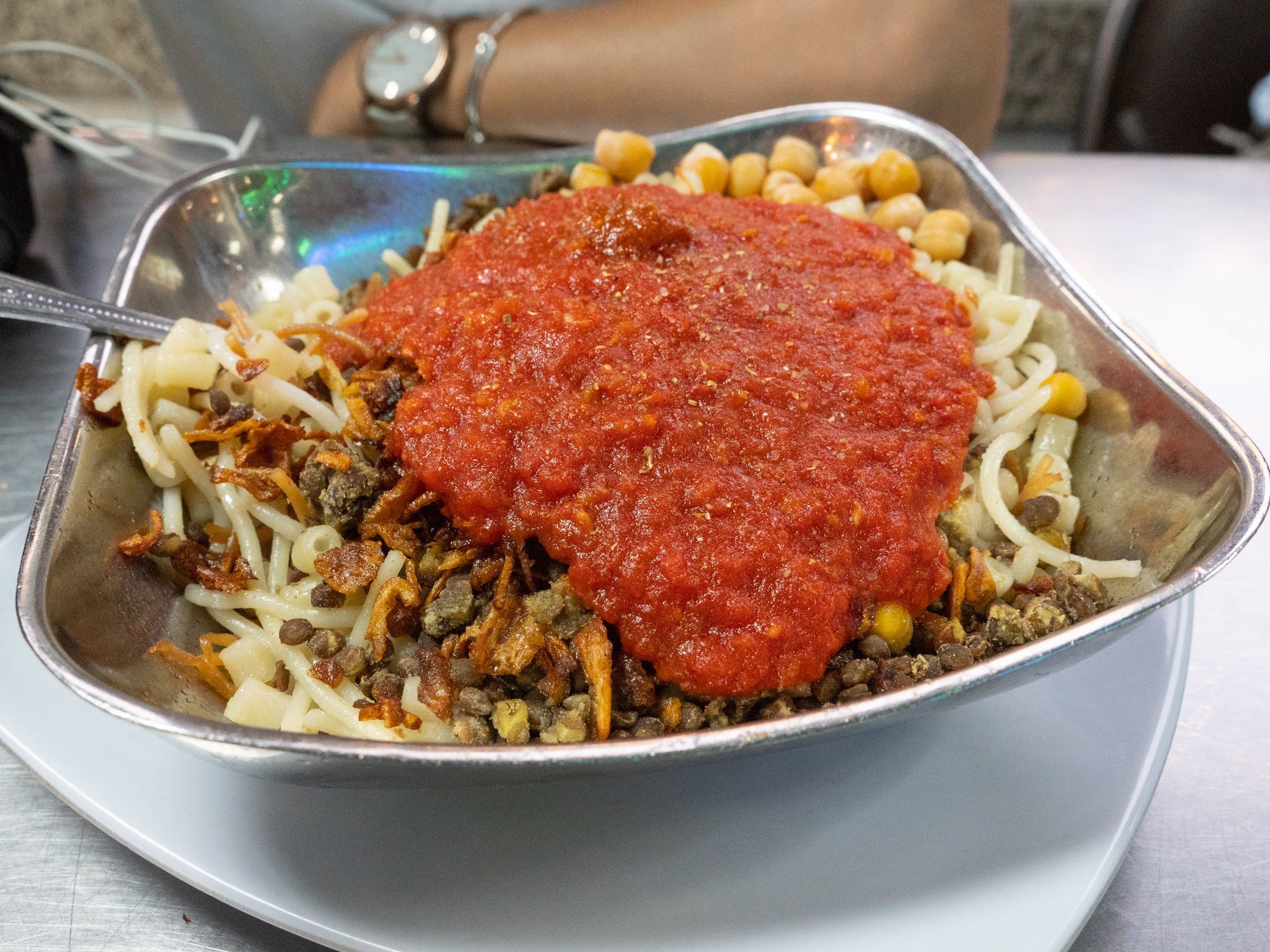
Egypt is a country rich in history, culture, and cuisine. From the majestic pyramids to the vibrant markets brimming with fresh produce and spices, Egypt offers a culinary experience like no other. In recent years, there has been a growing interest in healthy eating and nutrition worldwide, and Egypt is no exception. Let’s delve into some statistics that shed light on the state of healthy eating in Egypt.
**1. Traditional Egyptian Diet:**
The traditional Egyptian diet is based on staple foods such as bread, rice, beans, vegetables, and fruits. A typical meal often includes grilled meats or fish alongside an array of salads and side dishes. The use of herbs and spices like cumin, coriander, garlic, and parsley adds depth and flavor to Egyptian cuisine.
**2. Obesity Rates:**
According to the World Health Organization (WHO), obesity rates in Egypt have been steadily increasing over the past few decades. In 2016, it was reported that around 35% of adults in Egypt were considered obese. This rise in obesity can be attributed to various factors such as changes in dietary habits, sedentary lifestyles, urbanization, and socioeconomic factors.
**3. Food Security:**
Despite being a major producer of food crops such as wheat, corn, rice, and vegetables; Egypt still faces challenges related to food security. Access to nutritious food remains an issue for many Egyptians due to poverty levels and unequal distribution of resources.
**4. Nutrient Deficiencies:**
While traditional Egyptian cuisine is rich in flavors and textures; there are concerns about nutrient deficiencies among certain populations. For example:
– Iron deficiency anemia affects around 30% of children under five years old.
– Vitamin D deficiency is prevalent among women due to limited sun exposure.
– Iodine deficiency disorders remain a public health concern despite efforts to address them through salt iodization programs.
**5. Government Initiatives:**
In response to these challenges regarding nutrition-related issues such as obesity and nutrient deficiencies; the Egyptian government has launched several initiatives aimed at promoting healthy eating habits:
– The National Nutrition Strategy aims to improve dietary practices across different age groups.
– School feeding programs provide nutritious meals for children attending primary schools.
– Awareness campaigns raise awareness about the importance of balanced diets.
**6 .Healthy Eating Trends:**
There has been a noticeable shift towards healthier eating habits among some segments of the population:
– Increased consumption of fruits and vegetables
– Growing interest in plant-based diets
– Embracing ancient grains like quinoa or millet
– Incorporating more seafood into diets
**7 . Fast-Food Culture Impact : **
The proliferation of fast-food chains across urban areas has also played a role in shaping dietary patterns among Egyptians:
– High consumption of processed foods high in sugar,sodium,and unhealthy fats
– Portion sizes have increased leading people consume excess calories
– Convenience factor influencing choices over homemade meals
In conclusion,Egypt presents a complex landscape when it comes to healthy eating trends.There are challenges related obesity rates,nutritional deficiencies,and access nutritious food.However,government initiatives coupled with changing attitudes towards healthier diets signal positive shifts towards improving overall health outcomes.It’s essential for individuals communities take steps prioritize nutritional needs make informed decisions when it comes their diet choices.The fusion traditional cuisine with modern approaches could pave way for sustainable healthy living future generations.Egyptians can draw upon their rich culinary heritage create diverse delicious meals packed essential nutrients support well-being longevity

Leave a Reply