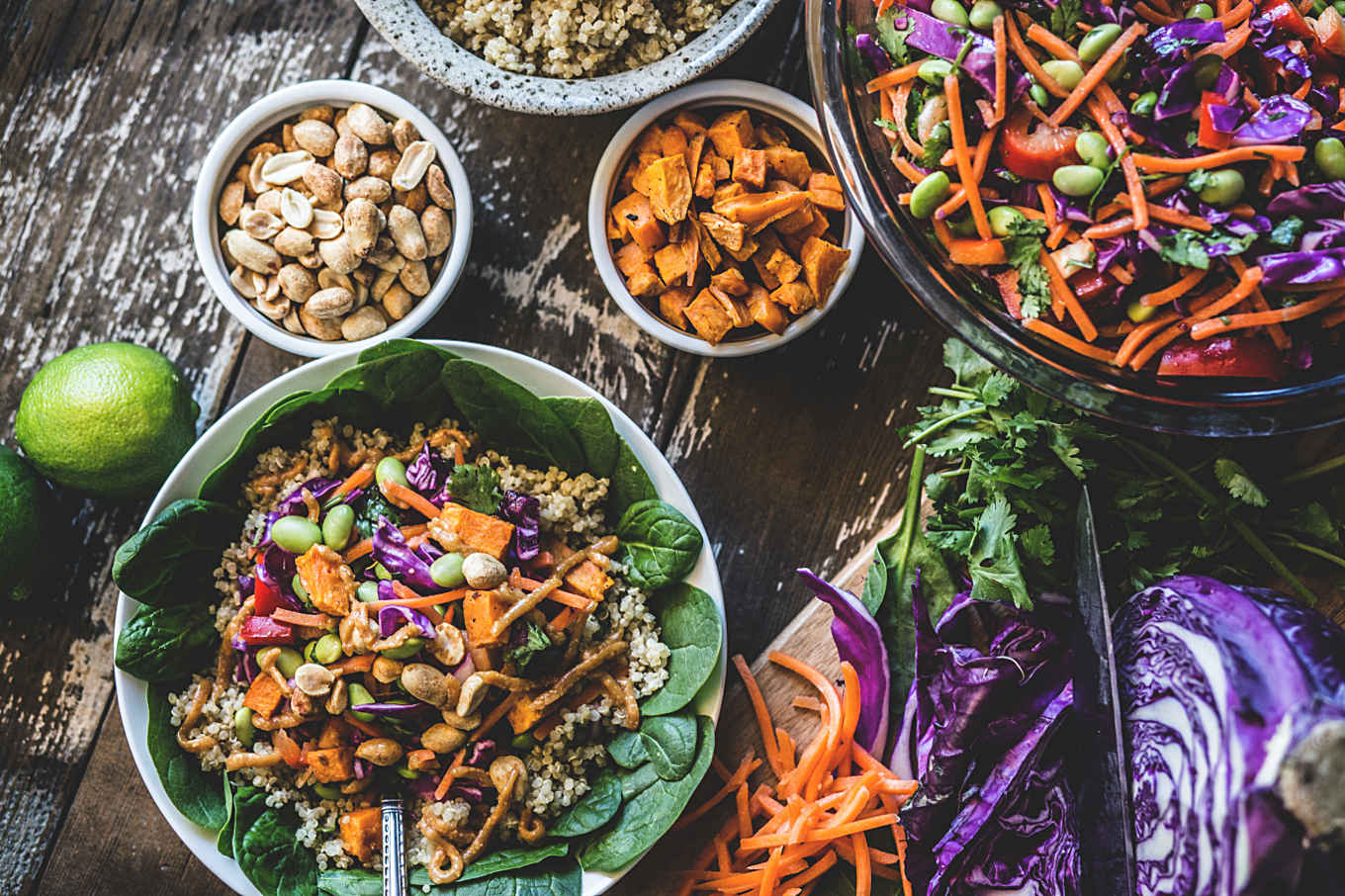
Plant-based diets have been gaining popularity in recent years, with more and more people opting for this lifestyle choice due to its numerous health benefits. To shed some light on the topic, we had the pleasure of speaking with nutrition expert and registered dietitian, Sarah Johnson, who shared valuable insights into plant-based diets and their impact on our health.
Q: What exactly is a plant-based diet?
A: A plant-based diet focuses on consuming predominantly whole plant foods such as fruits, vegetables, whole grains, legumes, nuts, seeds, and healthy fats like avocado and olive oil. It emphasizes minimizing or eliminating animal products like meat, dairy, eggs, and seafood. The main goal is to center your meals around plants while still allowing for flexibility based on individual preferences.
Q: What are some key benefits of following a plant-based diet?
A: Plant-based diets are associated with numerous health benefits. Research has shown that they can help lower the risk of chronic conditions such as heart disease, diabetes, high blood pressure, obesity, and certain types of cancer. They are rich in fiber which aids digestion and promotes gut health. Additionally, plants are packed with vitamins, minerals, antioxidants and phytonutrients that boost immunity and overall well-being.
Q: How can someone ensure they’re getting all the necessary nutrients on a plant-based diet?
A: It’s essential to include a variety of foods in your meals to ensure you’re meeting all your nutrient needs. Focus on eating a rainbow of fruits and vegetables to get a wide range of vitamins and minerals. Incorporate sources of plant-based protein like beans, lentils tofu tempeh quinoa nuts seeds chia flax hemp into each meal. Include whole grains like brown rice oats barley bulgur amaranth buckwheat freekeh farro millet wheat berries at most meals for sustained energy levels. Don’t forget about healthy fats found in avocados olives nuts seeds oils coconut yogurt tahini sunflower butter hummus guacamole which support brain function hormone balance skin health heart protection absorption fat-soluble vitamins D E K antioxidant activity anti-inflammatory properties
Q: Are there any potential challenges when transitioning to a plant-based diet?
A: Switching to a plant-based diet may pose some challenges initially particularly if you’ve been used to consuming animal products regularly it might be helpful consult registered dietitian or nutritionist who specializes in vegetarian vegan nutrition tailor plan meet specific needs goals also consider gradual approach rather than overnight shift start Meatless Mondays swap cow’s milk almond soy oat gradually increase portion sizes frequency over time explore new recipes ingredients cuisines expand palate experiment different cooking methods seasonings spices herbs enhance flavor profile dishes
Q: Any tips for those interested in trying out a plant-based diet?
A: Start by making small changes incorporate more fruits veggies whole grains legumes nuts seeds into your meals don’t feel pressured label yourself strictly vegan vegetarian aim progress perfection focus progress rather than perfection remember every little bit counts try new recipes cookbooks blogs websites social media platforms provide endless inspiration ideas join local community groups meetups potlucks classes connect others similar journey share experiences learn from one another experiment flavors textures colors food experimenting mindfulness intuitive eating practices may lead greater satisfaction enjoyment mealtimes develop healthier relationship nourishment body mind soul
In conclusion adopting a plant-based diet can have significant positive impacts on your health well-being environment animals however important listen body honor hunger fullness cues customize dietary choices suit individual needs preferences always recommended speak healthcare provider registered Dietitian Nutritionist prior making major changes dietary patterns ensure optimal nutritional status overall wellness remember balance key factor maintaining sustainable lifestyle long run happy wholesome eating!

Leave a Reply