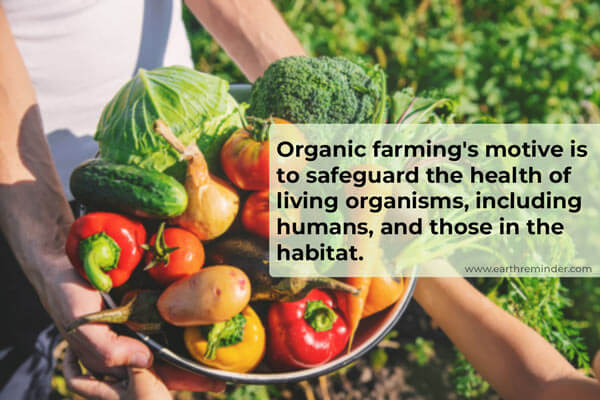
Organic farming is a method of agriculture that relies on natural processes and materials to grow crops and raise livestock. This practice aims to preserve the environment, promote biodiversity, and produce food that is free from synthetic chemicals. The principles of organic farming date back thousands of years, with traditional agricultural societies using natural methods to cultivate their land.
One of the key aspects of organic farming is soil health. Organic farmers focus on building healthy soil by using techniques such as crop rotation, composting, and cover cropping. These practices help improve soil structure, fertility, and microbial activity, which in turn support plant growth and overall ecosystem health. By nurturing the soil in this way, organic farmers can produce nutritious crops without relying on chemical fertilizers or pesticides.
Crop rotation is an essential practice in organic farming that involves planting different crops in succession on the same piece of land. This helps prevent the buildup of pests and diseases specific to one type of crop while also improving soil fertility through the diversity of plants grown. For example, legumes like peas and beans can fix nitrogen in the soil, benefiting subsequent crops that require this essential nutrient.
Composting is another vital aspect of organic farming that involves recycling organic matter like crop residues, manure, and kitchen scraps into nutrient-rich fertilizer for the soil. Compost helps enhance soil structure by increasing its ability to retain water and nutrients while also promoting beneficial microbial activity that supports plant growth.
Cover cropping is a technique used in organic farming where non-harvested crops are planted between main cash crops to protect and enrich the soil during fallow periods. Cover crops like clover or rye grass help prevent erosion, suppress weeds, add nutrients back into the soil when they decompose, and provide habitat for beneficial insects.
In addition to these practices focused on soil health, organic farmers also prioritize biodiversity on their farms. By planting diverse types of crops and creating habitats for beneficial insects and wildlife, organic farmers promote ecological balance within their ecosystems. This diversity helps reduce pest pressure naturally while also providing a more resilient food system in case of environmental challenges.
Overall, organic farming practices have stood the test of time as sustainable methods for producing healthy food while protecting our environment for future generations. By prioritizing soil health, biodiversity preservation,and natural pest management strategiesorganic farmers play a crucial rolein promoting a more sustainableand ethical approachto agriculture.

Leave a Reply