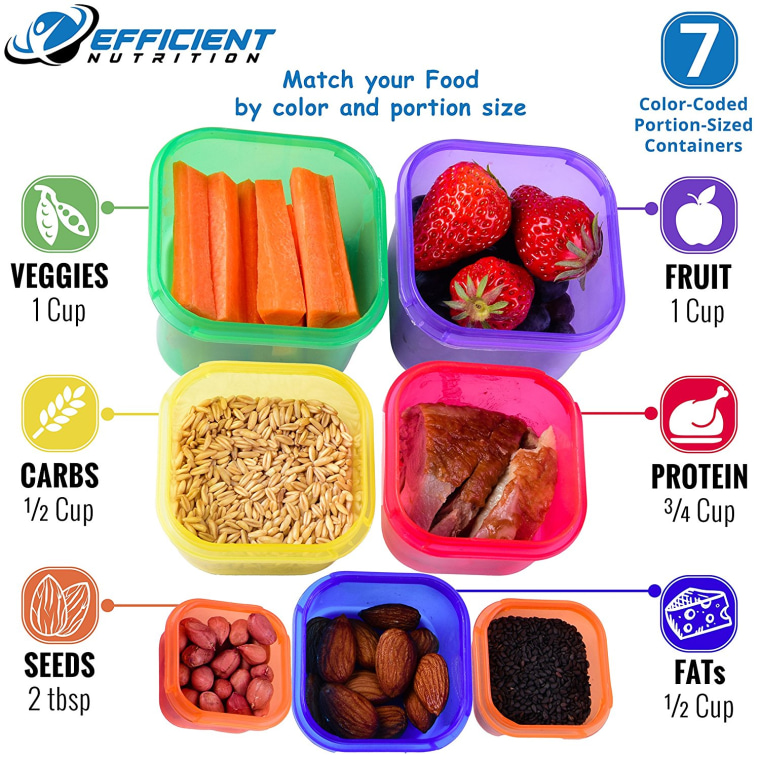
Portion control plays a crucial role in maintaining a healthy weight and overall well-being. When it comes to measuring portions, there are various tips and strategies that can be employed to ensure you are consuming the right amount of food for your body’s needs. One effective way to manage portion sizes is by using measuring cups and kitchen scales to accurately measure out servings of different foods. This can help you become more mindful of what you are eating and avoid overeating.
For those looking to lose weight, portion control is essential. By managing the amount of food you consume, you can create a calorie deficit that will lead to weight loss over time. The plate method is a popular technique for portion control where half your plate should consist of vegetables, one-quarter of lean protein, and one-quarter of whole grains or starchy vegetables. This method helps ensure a balanced meal with appropriate serving sizes.
When dining out, it can be challenging to gauge proper portion sizes as restaurant portions tend to be larger than what we would serve ourselves at home. To combat this, consider sharing an entree with someone else or asking for a takeout box at the beginning of the meal to pack away half for later consumption.
Healthy snacks are an important part of maintaining energy levels throughout the day but can easily lead to excessive calorie intake if not controlled. Pre-portioning snacks into individual bags or containers when meal prepping can help prevent mindless munching on larger quantities than needed.
There are several tools and gadgets available that can aid in portion control such as divided plates, measuring spoons, and containers with designated compartments for different food groups. These tools make it easier to visualize appropriate serving sizes and stick to them consistently.
Teaching kids about portion control from a young age is beneficial for their long-term health habits. Using visual cues like comparing serving sizes to everyday objects they are familiar with (like a tennis ball for fruit servings) can help children understand how much they should eat.
Understanding serving sizes listed on nutrition labels is key in practicing portion control effectively. Pay attention not only to the quantity but also the number of servings per package as many items may appear small but actually contain multiple servings.
Traveling often disrupts regular eating routines making it easy to overeat or choose unhealthy options due to limited choices on-the-go. Packing portable healthy snacks like nuts or fruit, planning meals ahead when possible, and opting for smaller portions when dining out can help maintain portion control while traveling.
In social settings like parties or events where there’s an abundance of food available, it’s important to practice mindful eating by tuning into hunger cues rather than simply indulging because food is readily accessible. Choosing smaller plates if available and pacing yourself while enjoying treats in moderation are effective strategies for controlling portions in these situations.
Overall, understanding the importance of portion control goes beyond just managing weight – it contributes significantly towards overall health by preventing overconsumption which could lead to various health issues including obesity and chronic diseases such as diabetes or heart disease.
Balancing macronutrients within your controlled portions ensures you’re getting adequate nutrients from proteins, carbohydrates, fats while still keeping calories in check.
Creating a meal plan based on controlled portions allows for better organization throughout the week ensuring balanced meals without going off track.
Adjusting your portions based on activity level ensures that you’re fueling your body appropriately depending on how much energy expenditure occurs during exercise or daily activities.
Incorporating these strategies into busy lifestyles may require some initial effort but ultimately leads towards healthier habits around food consumption benefiting both physical health & mental well-being through mindfulness around eating habits

Leave a Reply