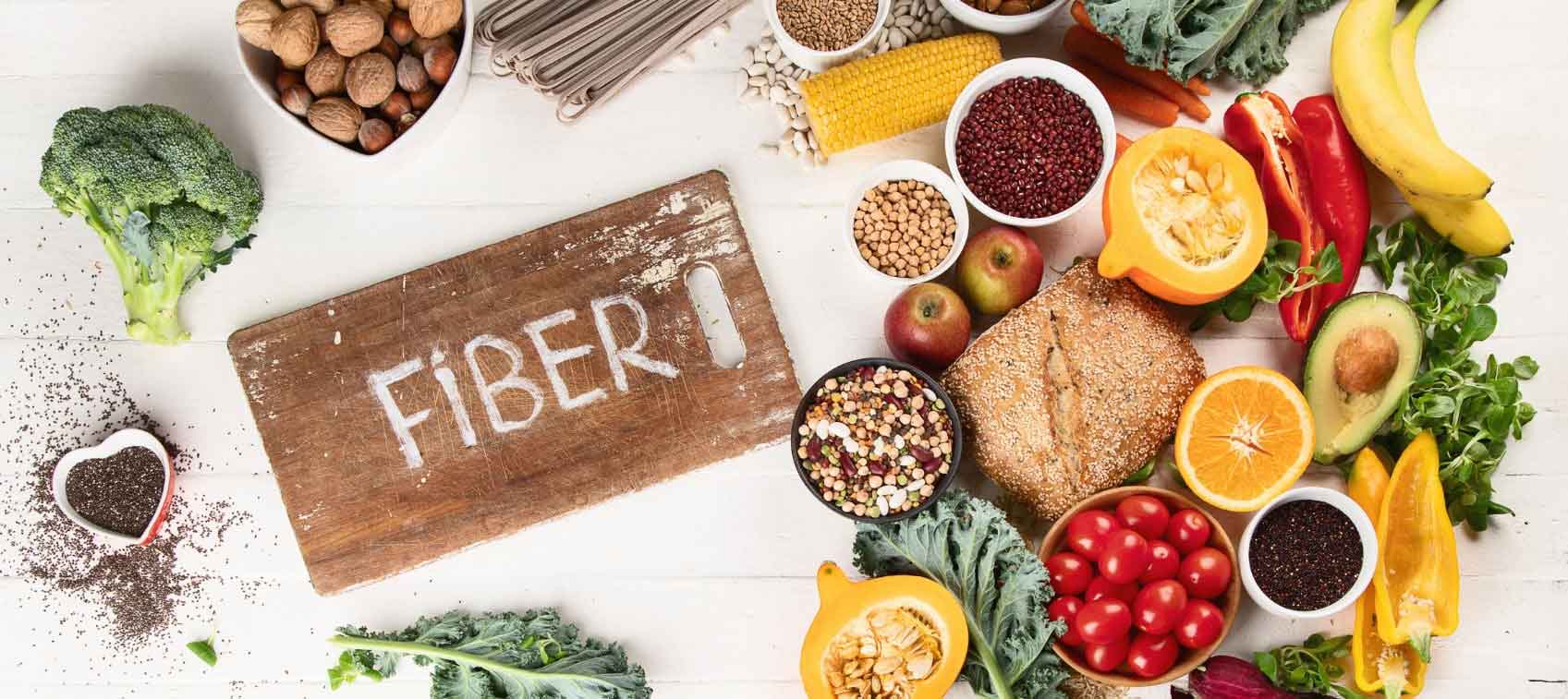
Prebiotics are non-digestible fibers that serve as food for the beneficial bacteria in our gut. They play a crucial role in maintaining gut health and have a wide range of benefits beyond just digestion.
Resistant starches are a type of prebiotic that resist digestion in the small intestine, reaching the colon where they feed beneficial bacteria. Prebiotic supplements can also be an effective way to increase your intake of these important fibers.
Studies suggest that prebiotics may aid in weight management by promoting feelings of fullness and reducing calorie absorption. Furthermore, prebiotics have been linked to mental health benefits, as the gut-brain axis communication is influenced by the balance of gut microbiota.
In children’s diets, incorporating prebiotic-rich foods like bananas, onions, and whole grains can support their developing digestive systems. For skin health, prebiotics can help reduce inflammation and improve conditions like acne or eczema.
Athletes may benefit from prebiotics for improved nutrient absorption and energy levels. Additionally, supporting the immune system with prebiotics can help reduce inflammation and enhance overall well-being.
Fermentable fibers like inulin or oligosaccharides act as prebiotics when broken down by gut bacteria. Vegetarians and vegans can find ample sources of prebiotics in foods like legumes, whole grains, and certain fruits and vegetables.
The interaction between probiotics (beneficial bacteria) and prebiotics is known as synbiosis – this synergy enhances the overall effectiveness of both components for better gut health.
Various cooking methods affect the content of prebiotics in food; for instance, raw garlic contains more fructooligosaccharides than cooked garlic due to heat sensitivity.
Individualized nutrition plans should consider genetics’ impact on how individuals metabolize different types of prebiotic fibers effectively.
Environmental factors such as pollution or agricultural practices can influence the availability of natural dietary sources rich in these beneficial fibers throughout seasons.
Overall, incorporating a variety of prebiotic-rich foods into your diet is key to reaping their numerous health benefits across different aspects including digestive disorders management using natural solutions instead of pharmaceutical interventions which could often have side effects.

Leave a Reply