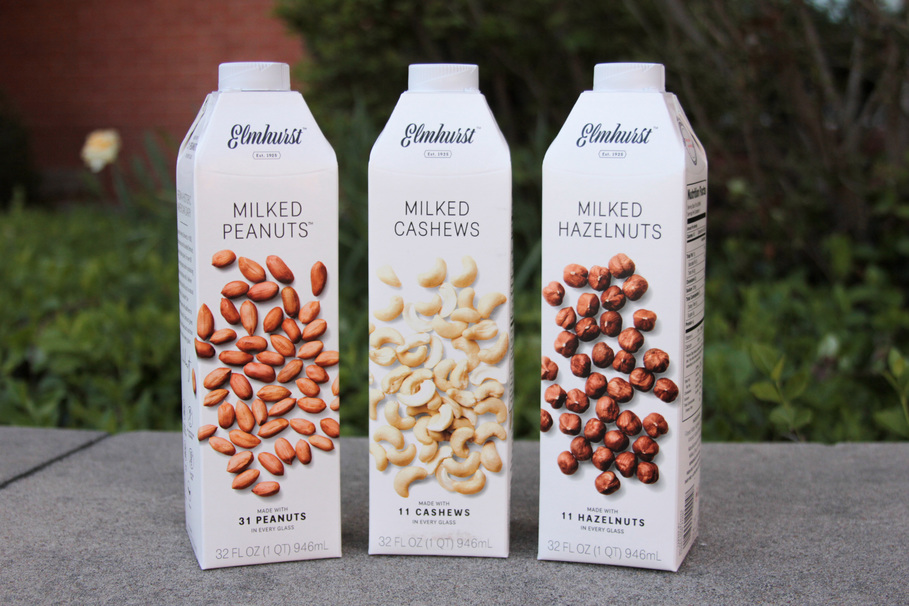
Nut milk is a popular dairy-free alternative that has gained significant traction in recent years due to its numerous health benefits and versatility in cooking and baking. Made from blending nuts with water and straining the mixture to create a smooth, creamy liquid, nut milk offers a rich flavor profile and can be customized to suit individual tastes and dietary preferences.
One of the primary reasons why many people choose nut milk over traditional cow’s milk is its lactose-free nature, making it an ideal option for those who are lactose intolerant or have dairy allergies. Nut milk is also cholesterol-free, low in saturated fats, and contains essential nutrients such as vitamins E and B12, calcium, potassium, and magnesium. Additionally, nuts are packed with protein and healthy fats that can help promote heart health and aid in weight management.
There are various types of nuts that can be used to make nut milk, each offering its unique flavor profile and nutritional benefits. Almonds are one of the most commonly used nuts for making almond milk—a creamy, slightly sweet alternative that works well in both savory dishes like soups or curries as well as desserts like smoothies or puddings. Cashews produce a velvety-smooth milk with a subtle sweetness that pairs beautifully with coffee or tea.
Walnuts offer a robust flavor with earthy undertones—perfect for adding depth to oatmeal or cereal. Hazelnuts lend a decadent richness reminiscent of hazelnut-flavored coffee creamer without the added sugars. And pistachios provide a vibrant green hue along with a delicate nuttiness ideal for pairing with fruits like raspberries or peaches.
To make nut milk at home, start by soaking your choice of nuts overnight in water to soften them for easier blending. The following day, drain the nuts and rinse them thoroughly before combining them with fresh water in a high-speed blender at a ratio of 1 cup of nuts to 3-4 cups of water depending on how creamy you prefer your milk.
For added sweetness, you can include natural sweeteners like dates, maple syrup, honey or agave nectar during blending—adjusting the amount based on personal taste preferences. To enhance the flavor further, consider incorporating spices such as cinnamon or vanilla extract for an extra layer of complexity.
Once blended until smooth (about 2-3 minutes), strain the mixture through cheesecloth or a nut-milk bag into a large bowl—squeezing out any excess liquid before transferring it into an airtight container for storage in the refrigerator where it will keep fresh for up to five days.
The leftover pulp from straining can be repurposed into recipes such as energy balls/ bars smoothie bowls baked goods granola fruit toppings crackers face masks body scrubs compost
While store-bought versions of nut milks are readily available at most supermarkets these days they often contain additives preservatives thickeners unwanted ingredients artificial flavors colors sugars gums stabilizers find yourself wanting more control over what goes into your body homemade is always best way ensure quality freshness purity customization
Experimenting with different combinations quantities spices add-ins allow creativity shine tailor towards specific needs preferences whether aiming reduce sugar content increase protein intake boost energy levels simply indulge luxurious treat there no limit ways enjoy nutritious delicious beverage
Whether enjoyed plain alongside favorite baked goods cereals poured steaming cup coffee tea incorporated recipes substitute regular dairy check website collection exciting mouthwatering using variety including almonds cashews walnuts hazelnuts pistachios pecans macadamia brazil pine seeds flax chia hemp sunflower pumpkin sesame poppy quinoa rice oats buckwheat soy coconut combine multiple options achieve desired consistency intensity remember play around discover perfect match palette lifestyle restrictions dietary requirements
In conclusion creating own personalized cost-effective sustainable environmentally friendly way incorporate nutrient-rich diet while avoiding potential allergens sensitivities negative environmental impacts associated conventional animal agriculture production process next time reach carton consider taking leap experiencing joys satisfaction reaping rewards crafting nourishing kitchen comfort home knowing exactly went glass cheers good Health!

Leave a Reply