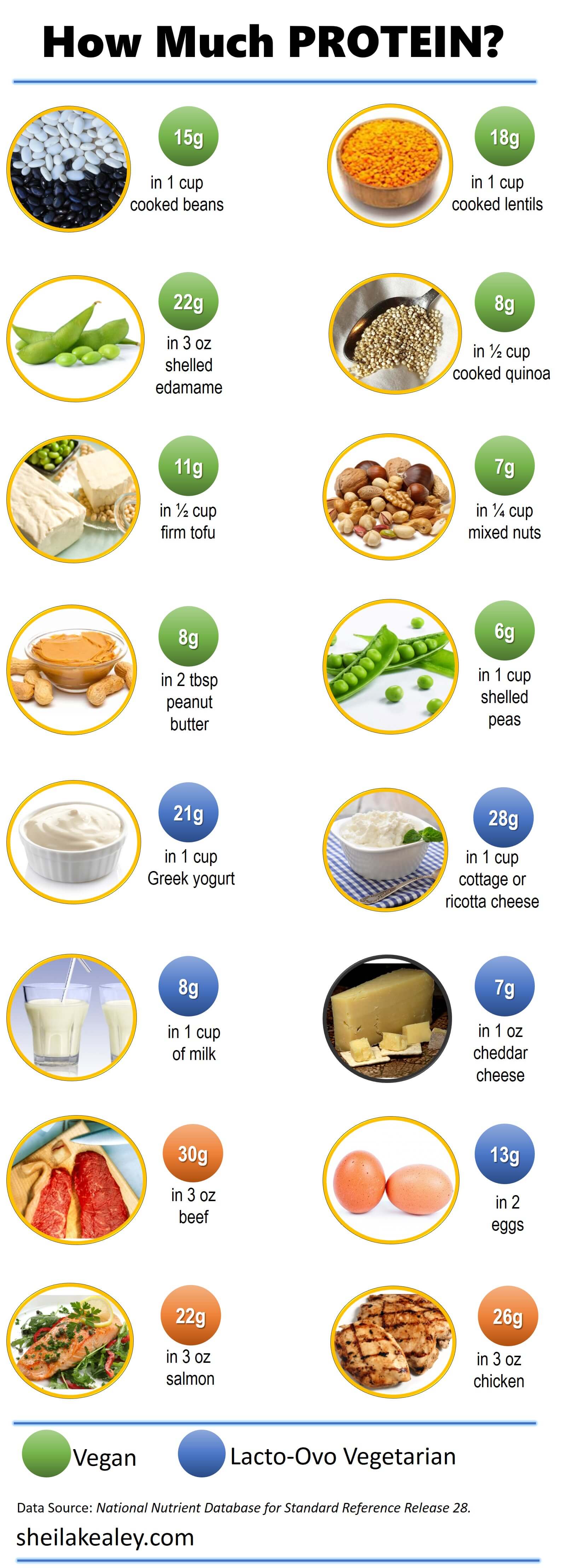
Proteins are essential nutrients that play a crucial role in the overall functioning of our bodies. They are made up of amino acids, which are often referred to as the building blocks of life. Amino acids are responsible for various biological processes such as cell signaling, tissue repair, and enzyme production.
When it comes to proteins, they can be classified into two main categories: complete and incomplete proteins. Complete proteins contain all nine essential amino acids that the body cannot produce on its own. These amino acids must be obtained through diet to support bodily functions effectively. Animal-based sources like meat, poultry, fish, eggs, and dairy products are considered complete proteins.
On the other hand, incomplete proteins lack one or more essential amino acids. Plant-based sources like grains, legumes, nuts, seeds, fruits, and vegetables often fall into this category. However, by combining different plant-based protein sources strategically throughout the day (such as beans with rice or hummus with whole-grain pita), individuals can still obtain all essential amino acids necessary for optimal health.
The concept of protein complementation is vital for individuals following vegetarian or vegan diets to ensure they receive adequate nutrition from plant-based sources. By pairing complementary plant foods together within meals or snacks—such as beans with corn tortillas or peanut butter on whole-grain bread—individuals can create a complete protein profile similar to animal-derived sources.
While both complete and incomplete proteins have their place in a balanced diet based on individual dietary preferences and restrictions—including ethical considerations surrounding animal products—it’s crucial to understand how each type contributes to overall health and wellbeing.
Complete proteins offer convenience in providing all essential amino acids in one source without needing additional food combinations or planning strategies. This makes them an efficient choice for those looking for quick nutrient-dense options without much preparation needed.
On the other hand, incomplete proteins from plant-based sources offer numerous health benefits beyond just protein content—they provide fiber for digestive health, vitamins and minerals for overall well-being while being lower in saturated fats compared to many animal-derived options.
Incorporating a variety of protein sources into your diet ensures you receive a wide range of nutrients necessary for optimal health. While some may prefer complete proteins due to their simplicity and efficiency others may choose incomplete proteins for their diverse nutritional profile supporting long-term well-being.
Ultimately whether you choose complete or incomplete proteins—or a combination of both—it’s important to focus on overall dietary balance rather than fixating solely on one aspect of nutrition.

Leave a Reply