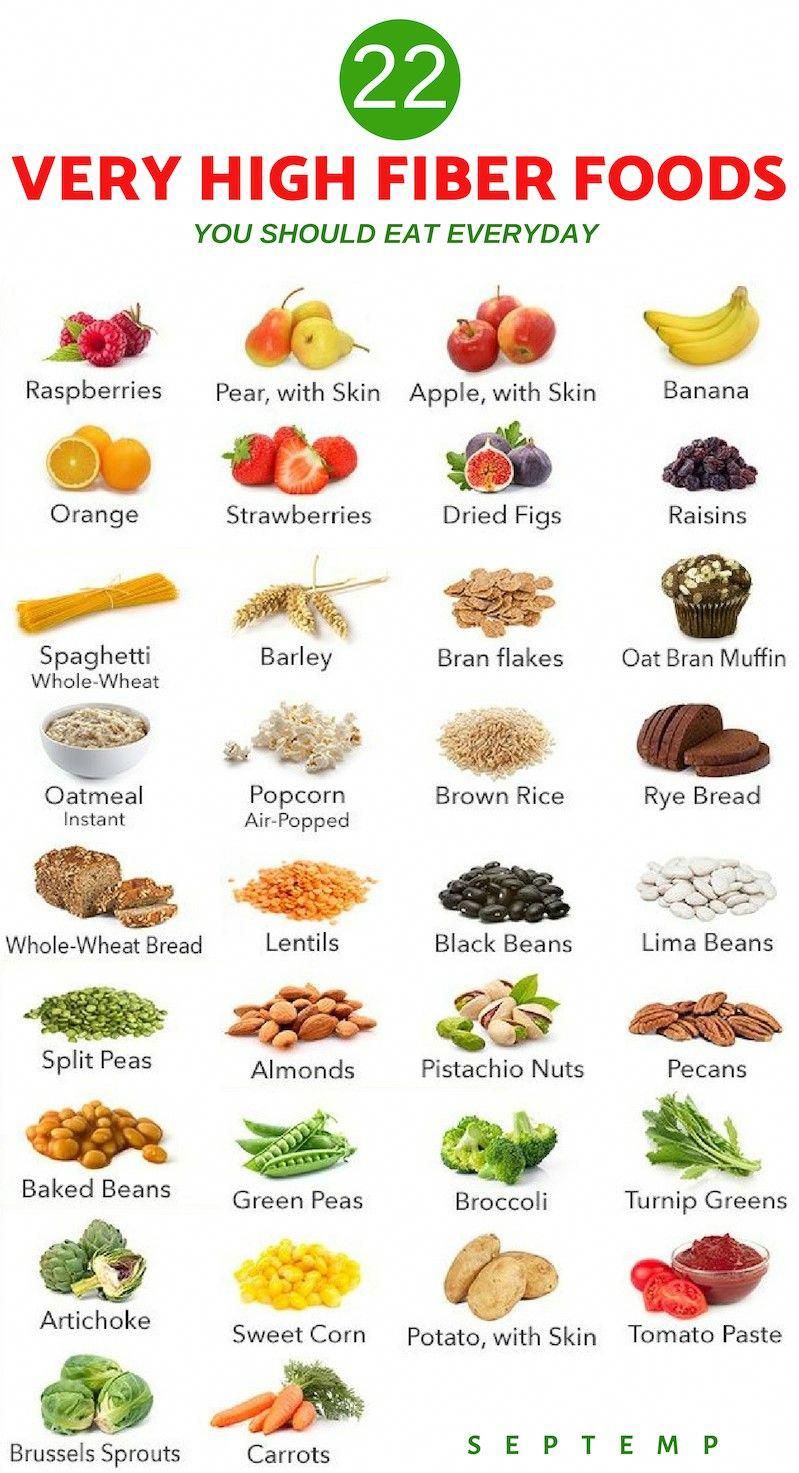
Fiber is an essential component of a healthy diet, playing a crucial role in maintaining proper digestion, promoting heart health, aiding in weight management, and supporting overall well-being. Despite its many benefits, it’s often overlooked in favor of other nutrients. In this comprehensive guide, we will delve into the various aspects of fiber – from its types to sources, and its impact on gut health, cholesterol levels, blood sugar control, and more.
### What is Fiber?
Fiber refers to the indigestible part of plant foods that travels through our digestive system relatively intact. It comes in two main forms: soluble and insoluble. Soluble fiber dissolves in water to form a gel-like substance and can help lower cholesterol levels and regulate blood sugar. Insoluble fiber doesn’t dissolve in water; instead, it adds bulk to the stool, aiding bowel movements and preventing constipation.
### Benefits of Fiber:
– **Digestive Health:** Fiber promotes regular bowel movements by adding bulk to the stool.
– **Heart Health:** Soluble fiber helps lower LDL (bad) cholesterol levels which reduces the risk of heart disease.
– **Weight Management:** High-fiber foods tend to be more filling than low-fiber foods which can help with weight loss or maintenance.
– **Blood Sugar Control:** Soluble fiber slows down the absorption of sugar into the bloodstream which can aid in managing blood sugar levels.
– **Gut Health:** Fiber acts as food for beneficial gut bacteria promoting a healthy gut microbiome.
### High-Fiber Foods:
Many plant-based foods are rich sources of dietary fiber. Some examples include:
1. **Whole Grains**: Oats, quinoa, brown rice
2. **Fruits**: Berries (raspberries, blackberries), apples with skin
3. **Vegetables**: Broccoli, Brussels sprouts,
4. **Legumes**: Lentils, chickpeas,
5. **Nuts & Seeds**: Chia seeds
### Recommended Daily Intake:
The recommended daily intake for fiber varies depending on age and gender but generally falls between 25-38 grams per day for adults.
### How To Increase Your Fiber Intake:
Here are some tips for increasing your daily intake:
1. Gradually increase your consumption over several weeks to prevent digestive discomfort.
2. Include high-fiber snacks like raw vegetables with hummus or fruit with nuts throughout your day.
3. Choose whole fruits over fruit juices to get more fiber content.
4.. Incorporate whole grains like brown rice or quinoa into your meals.
### Recipes High In Fiber:
#### Overnight Oats Recipe:
Ingredients:
– ½ cup oats
– 1 tbsp chia seeds
– ½ cup almond milk
– ¼ cup Greek yogurt
Mix all ingredients together in a jar and refrigerate overnight.
#### Chickpea Salad Recipe:
Ingredients:
– 1 can chickpeas
– Diced cucumbers & tomatoes
– Chopped parsley & mint leaves
Combine all ingredients in a bowl; drizzle olive oil & lemon juice dressing on top.
These recipes offer tasty ways to boost your daily fiber intake while enjoying delicious meals!
In conclusion…
By incorporating high-fiber foods into your diet regularly you not only improve digestion but also support heart health while potentially lowering cholesterol levels and controlling blood sugar spikes effectively contributing towards overall well-being!

Leave a Reply