Wheatgrass, a nutrient-dense young grass of the wheat plant, has gained popularity for its numerous health benefits. One popular way to consume wheatgrass is through shots, which are concentrated doses of the grass’s nutrients. Wheatgrass shots are known for their detoxifying properties and ability to boost energy levels due to their high chlorophyll content.
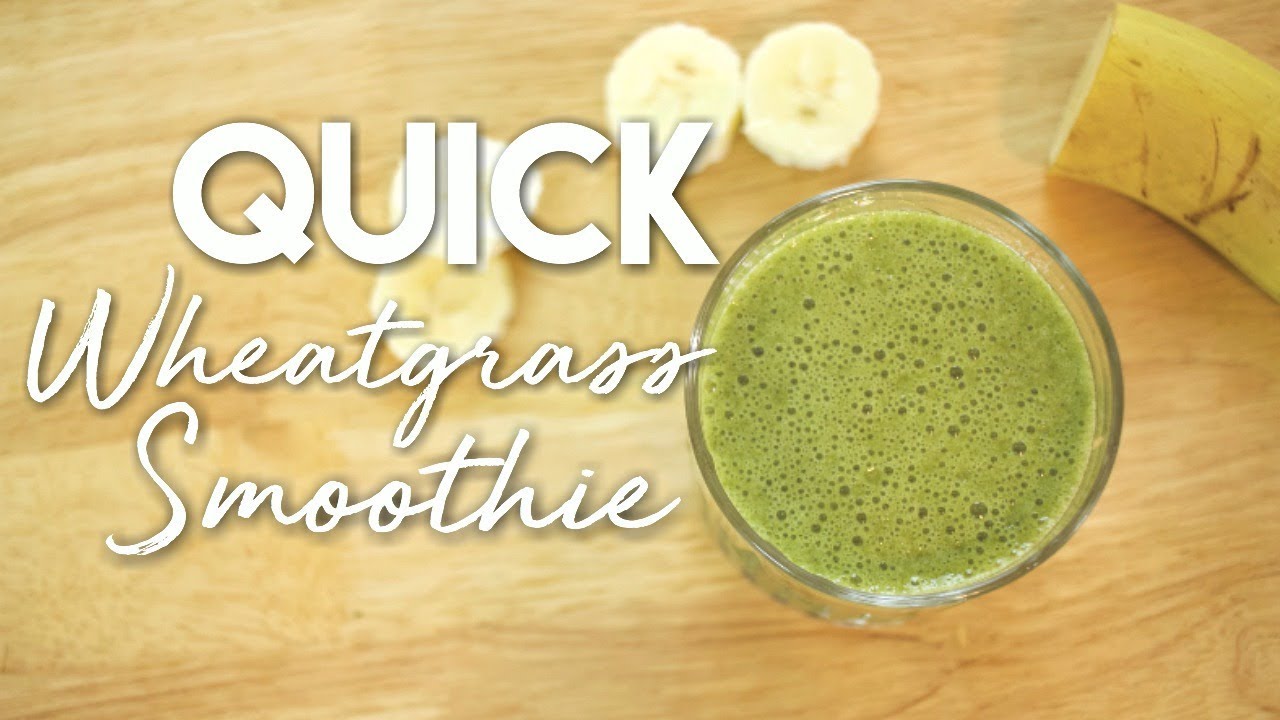
For those looking to incorporate wheatgrass into their diet in a more palatable way, smoothies are a great option. Mixing fresh or powdered wheatgrass with fruits like bananas, berries, and citrus can mask its strong taste while still reaping its benefits.
Growing your own wheatgrass at home is not only cost-effective but also ensures you have access to fresh and organic produce. With just a tray, soil, seeds, and water, you can easily cultivate this superfood in your kitchen or garden.
If you’re considering a juice cleanse, adding wheatgrass juice can enhance the detox process by aiding digestion and promoting healthy gut bacteria. Its high fiber content can also contribute to weight loss by keeping you feeling full longer.
When it comes to nutrition, wheatgrass is packed with vitamins A, C, E, K as well as iron, magnesium, calcium – making it an excellent addition to any diet. Its antioxidant properties make it beneficial for skin health when consumed or applied topically in DIY facial masks.
Whether in powder form or freshly juiced, incorporating wheatgrass into your daily routine can support immune system function and promote overall vitality. It’s considered a superfood for its dense nutrient profile that provides essential vitamins and minerals necessary for optimal health.
In traditional medicine practices like Ayurveda and Traditional Chinese Medicine (TCM), wheatgrass has been used for centuries for its healing properties. Its anti-inflammatory effects have made it a staple in natural remedies for various ailments.
Storing fresh wheatgrass properly is key to preserving its nutrients. Keep it refrigerated in an air-tight container or wrapped in damp paper towels to maintain freshness.
Consider experimenting with salad dressings by adding fresh wheatgrass juice along with olive oil and vinegar for an extra nutritional boost without compromising flavor.
While enjoying the benefits of consuming wheatgrass remember that growing this superfood does have environmental impacts such as water usage; however opting for organic farming practices can help mitigate these effects.

Leave a Reply