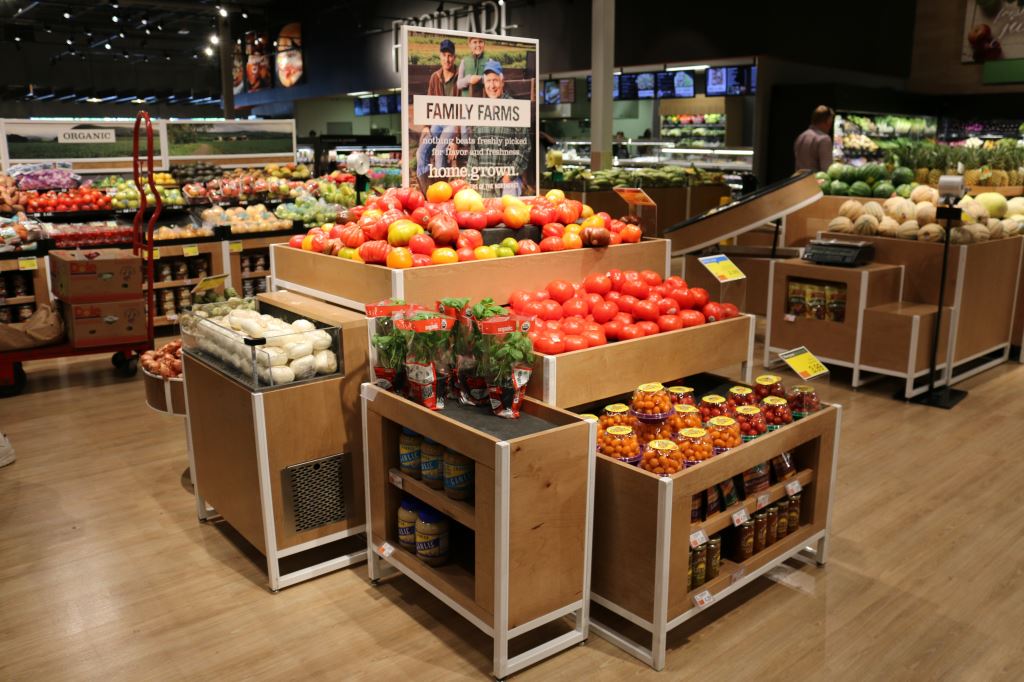
Shopping seasonally for produce can not only benefit your health but also your wallet. By choosing fruits and vegetables that are in season, you can enjoy fresher and more flavorful options while saving money on your grocery bill. In this case study, we will delve into the advantages of shopping seasonally for cheaper produce and explore some tips on how to make the most out of seasonal eating.
The concept of eating with the seasons is nothing new. Before modern transportation made it possible to access any type of produce at any time of year, people relied on what was locally available during different times of the year. Seasonal eating not only ensures that you are consuming foods at their peak freshness and nutritional value, but it also supports local farmers and reduces the environmental impact associated with long-distance food transport.
One major advantage of shopping seasonally is cost savings. When fruits and vegetables are in abundance due to being in season, their prices tend to be lower compared to when they are out of season and have to be imported from other regions or countries. This means that you can get a greater variety of fresh produce without breaking the bank.
Another benefit is taste. Fruits and vegetables that are in season often taste better because they are allowed to ripen fully on the plant before being harvested. This results in sweeter, juicier, and more flavorful produce that can enhance your meals and snacks.
Moreover, seasonal produce tends to be more nutritious as well. Research has shown that fruits and vegetables harvested at their peak tend to contain higher levels of vitamins, minerals, antioxidants, and phytonutrients compared to those picked before they are ripe or stored for long periods of time.
To take advantage of seasonal eating, it’s important to know which fruits and vegetables are in season during different times of the year in your region. While specific growing seasons may vary depending on climate and location, there are general patterns that can guide your shopping choices:
– Spring: Asparagus, strawberries, peas, radishes
– Summer: Berries (blueberries, raspberries), tomatoes, corn
– Fall: Apples, pumpkins, squash
– Winter: Citrus fruits (oranges), root vegetables (carrots), kale
By planning your meals around what’s in season locally each month or quarter throughout the year – whether you shop at a farmer’s market or grocery store – you can enjoy a diverse array of fresh produce while supporting local agriculture.
When shopping for seasonal produce at supermarkets or grocery stores:
1. Look for sales or promotions on items that are currently in-season.
2. Buy in bulk when prices are low by freezing excess quantities for later use.
3. Consider purchasing imperfect or “ugly” produce if available; these items may be discounted even further despite being perfectly edible.
4.. Compare prices between organic versus conventional options; sometimes there may be a significant price difference between them based on availability.
5.. Experiment with new recipes using seasonal ingredients; this can help prevent boredom with familiar dishes while taking advantage of fresh flavors.
In conclusion,shopping seasonally for cheaperproduce is a smart strategyfor healthy eaters lookingto save money while enjoyingthe best quality ingredientsavailable throughout theyear.Withsomeplanningandawarenessofwhat’sinseasoninyour area,youcanmake themostoutofyourgrocerybudget whilesupportinglocalfarmers.andreducingenvironmentalimpact.Shoppingseasonally isn’tjustabouteatinghealthier—it’sthebetterchoiceforallinvolved.Makesuretoincorporatesomeofthesetipsandtricksinto yourmealplanningroutine,andyou’llbesurprisedathowmuchflavorandsavingsyoucangainfromthissimplechangeinhabits

Leave a Reply