Water is an essential component of a healthy lifestyle, playing a crucial role in maintaining proper bodily functions and overall well-being. But how much water should you drink daily to stay adequately hydrated? The answer varies depending on factors such as age, gender, activity level, and climate.
The commonly recommended daily intake of water is eight 8-ounce glasses, also known as the “8×8 rule,” which equates to about 2 liters or half a gallon. However, this is a general guideline and may not be suitable for everyone. A more personalized approach would be to follow the recommendation by the National Academies of Sciences, Engineering, and Medicine (NASEM), which suggests that men should aim for about 3.7 liters (or 13 cups) of total water per day while women should aim for approximately 2.7 liters (or 9 cups) of total water per day.
It’s important to note that these recommendations include all sources of hydration, including water from beverages and food. While drinking plain water is the best way to stay hydrated, other fluids like herbal teas, milk, and even fruits and vegetables also contribute to your daily fluid intake.
Factors such as physical activity level can significantly impact your hydration needs. If you’re exercising or engaging in strenuous activities that cause you to sweat heavily, you’ll need to increase your fluid intake accordingly to replace lost fluids. It’s recommended to drink extra water before, during, and after exercise to maintain optimal hydration levels.
Pregnant or breastfeeding women also have higher fluid requirements due to their body’s increased demands during these stages. Health conditions like kidney stones or urinary tract infections may require adjustments in your fluid intake as well.
Additionally, environmental factors such as hot weather or high altitudes can increase your risk of dehydration and necessitate higher fluid consumption levels.
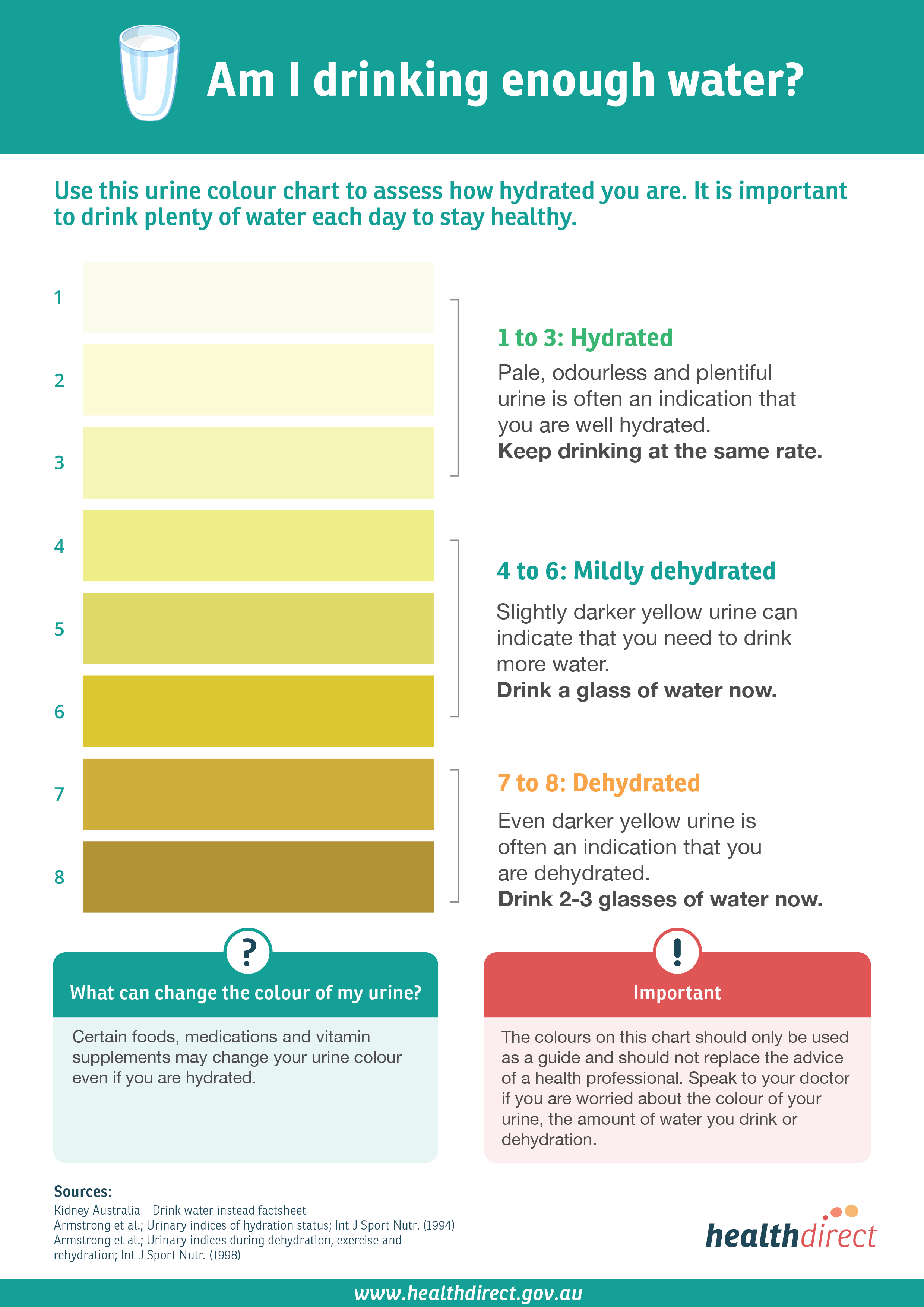
Monitoring your body’s cues can also help determine if you’re drinking enough water. Signs of dehydration include dark urine color, dry mouth, fatigue, dizziness, and decreased urine output.
In conclusion, staying properly hydrated is vital for overall health and well-being. While there are general guidelines on how much water adults should drink daily (about 2-3 liters for men and 2-2.7 liters for women), individual needs vary based on several factors like age,
gender
activity level
climate
health status
Listening to your body’s signals and adjusting your fluid intake accordingly will help ensure that you meet your unique hydration requirements each day.

Leave a Reply